Tenaska options 2,600 acres for Google AI data center — SkimNews
Get the Energy newsletter
Daily energy & climate — solar, EVs, oil, the policy fights and tech bets shaping the transition. Free.
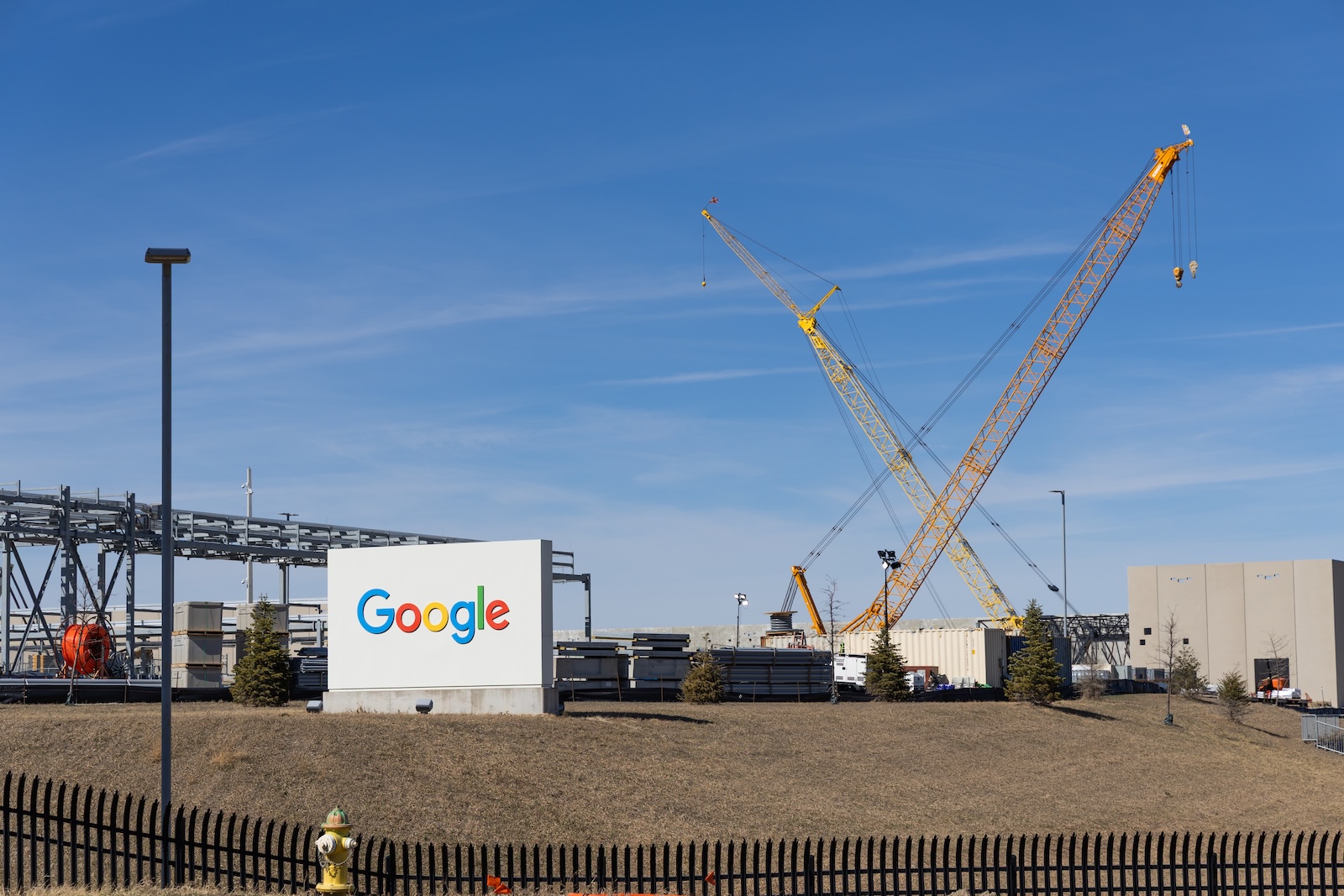
- Tenaska has entered into agreements with landowners for over 2,600 acres across southeast Nebraska since December under two LLC names, securing exclusive options to buy the land for a project documents link to a Google data center and utility-scale natural gas plant.
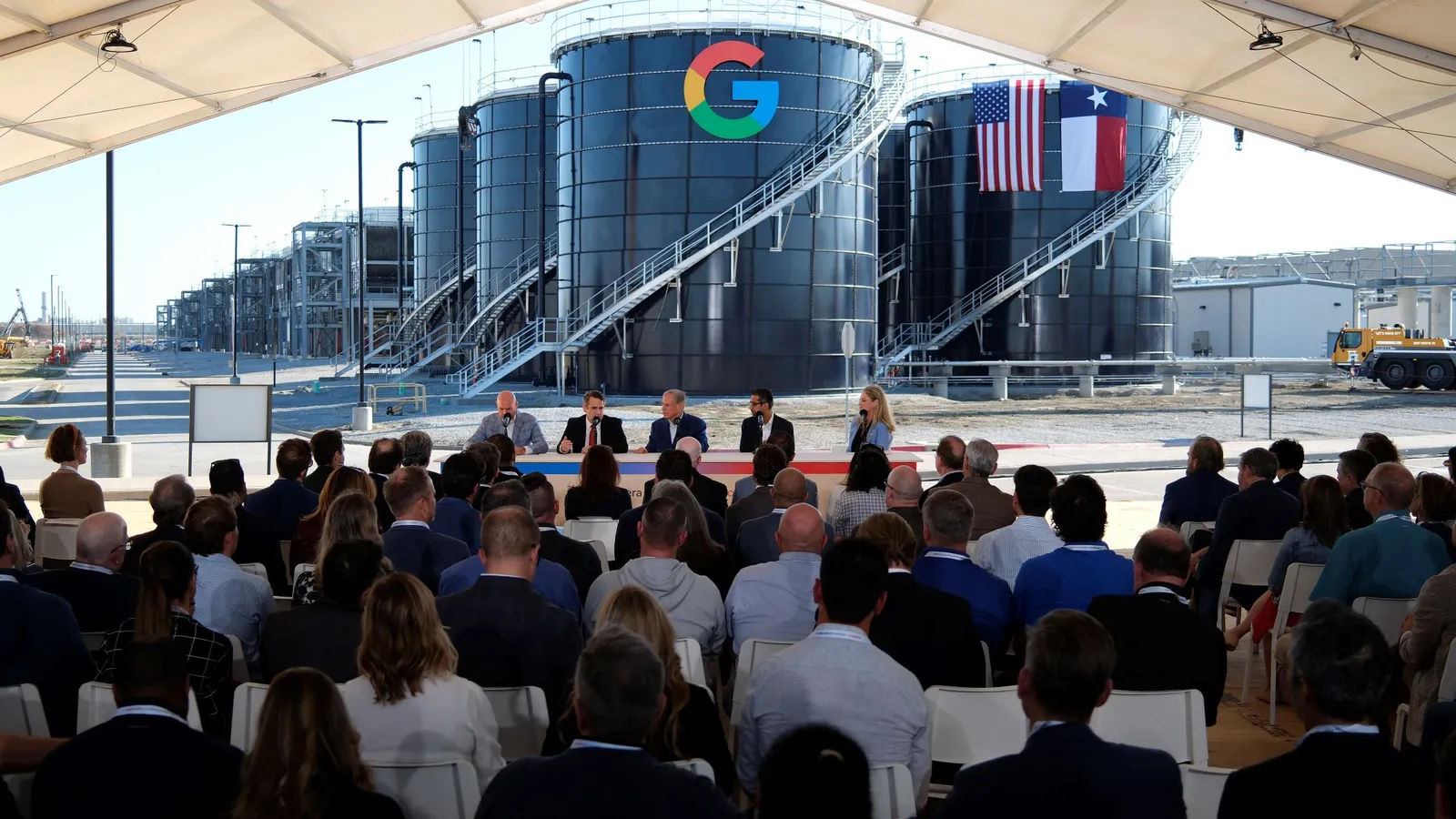
- Documents shared at a January Nebraska public power district meeting name Google, Tenaska, and Tallgrass Energy, projecting 1,000-3,000 megawatts of power demand — potentially more than the largest power plant currently in the state — with the facility possibly online as soon as 2029.
- If the project incorporates carbon capture and storage as outlined, it would be the largest such operation in the United States, according to Yale economist Kenneth Gillingham — though Tallgrass, named in the documents as the would-be carbon transporter, publicly denies any partnership.
- Governor Jim Pillen has proposed LB1261, which would let private power plants serving large industrial facilities hook into the public grid and sell excess power back; Tenaska has publicly backed the bill, and reporter Zoeller says the governor's office consulted with the companies tied to this proposal before drafting it.
- Senator Myron Dorn, whose district covers Gage County, signed a Tenaska land option for about 80 acres earlier this year but had not disclosed the deal as a potential conflict of interest when contacted, and told reporters he had not reviewed the governor's bill enabling the project.
- A Tenaska representative initially told farmer Rick Wheatley the company was assembling 2,000 acres for a power plant that 'kind of slipped' and was for AI, then backpedaled to call it a 'business park' — a pattern of opacity replicated in the project's silence from Google, Tenaska, and the contradicting statements from Tallgrass.
Why it matters: Senator Dorn's undisclosed Tenaska land option, signed while his chamber debates the bill that unlocks the project, is a textbook conflict-of-interest problem. Nebraska ratepayers could end up paying for grid connections to a private gas plant serving a single corporate customer, and if the carbon capture piece doesn't work, the state is left with one of its largest-ever emitters.
Ask SkimNews