Scientists map how flu hijacks cells by dissolving paraspeckles — SkimNews

Get the Health newsletter
Daily health & science — research, biotech, public health, the studies worth knowing. Free.
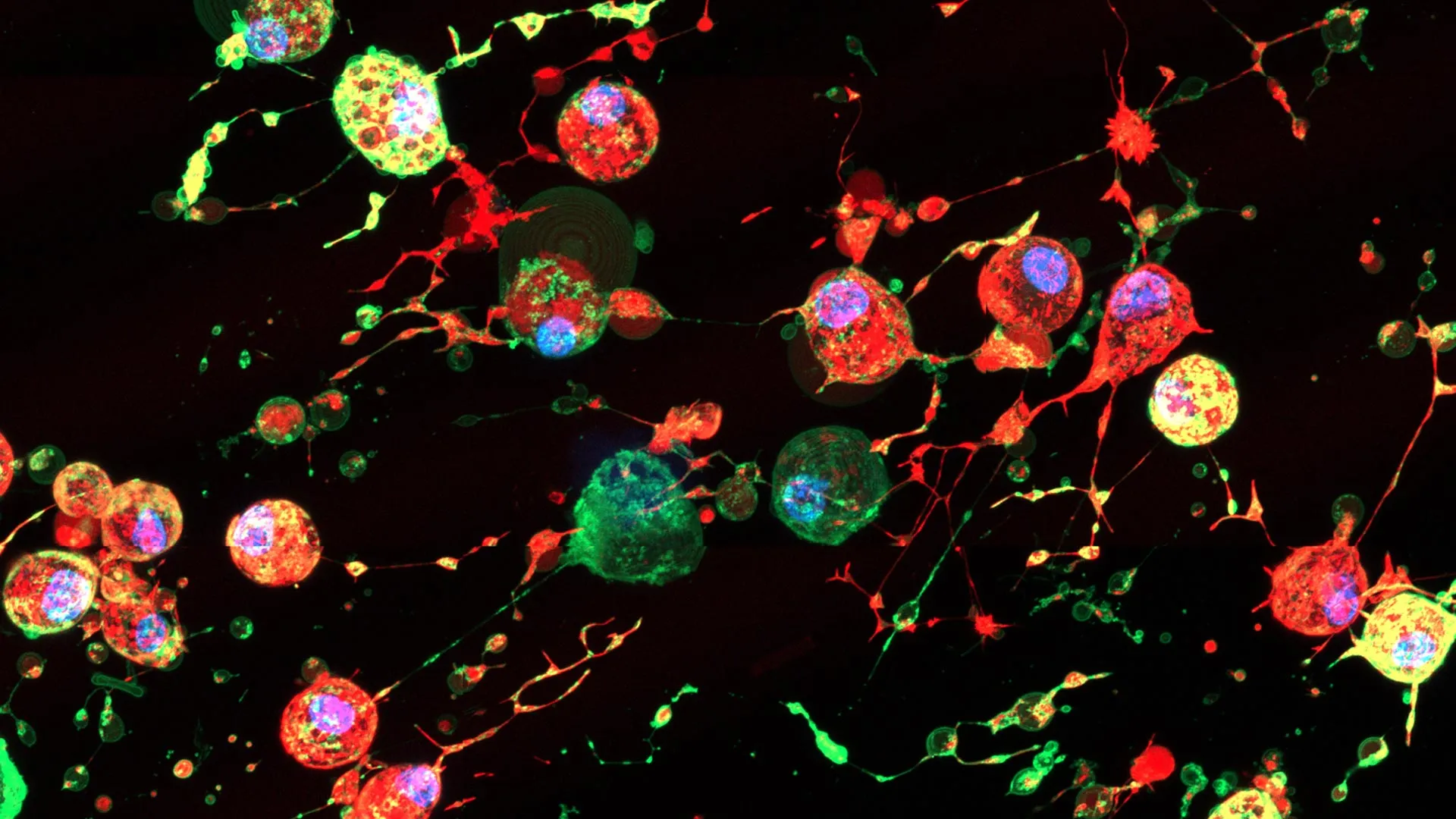
- EMBL Hamburg team, working with the Leibniz Research Institute (FMP), produced the first large-scale map of direct contacts between influenza A and human proteins inside intact infected cells using a customized cross-linking mass spectrometry (XL-MS) workflow tailored for virus-infected cells.
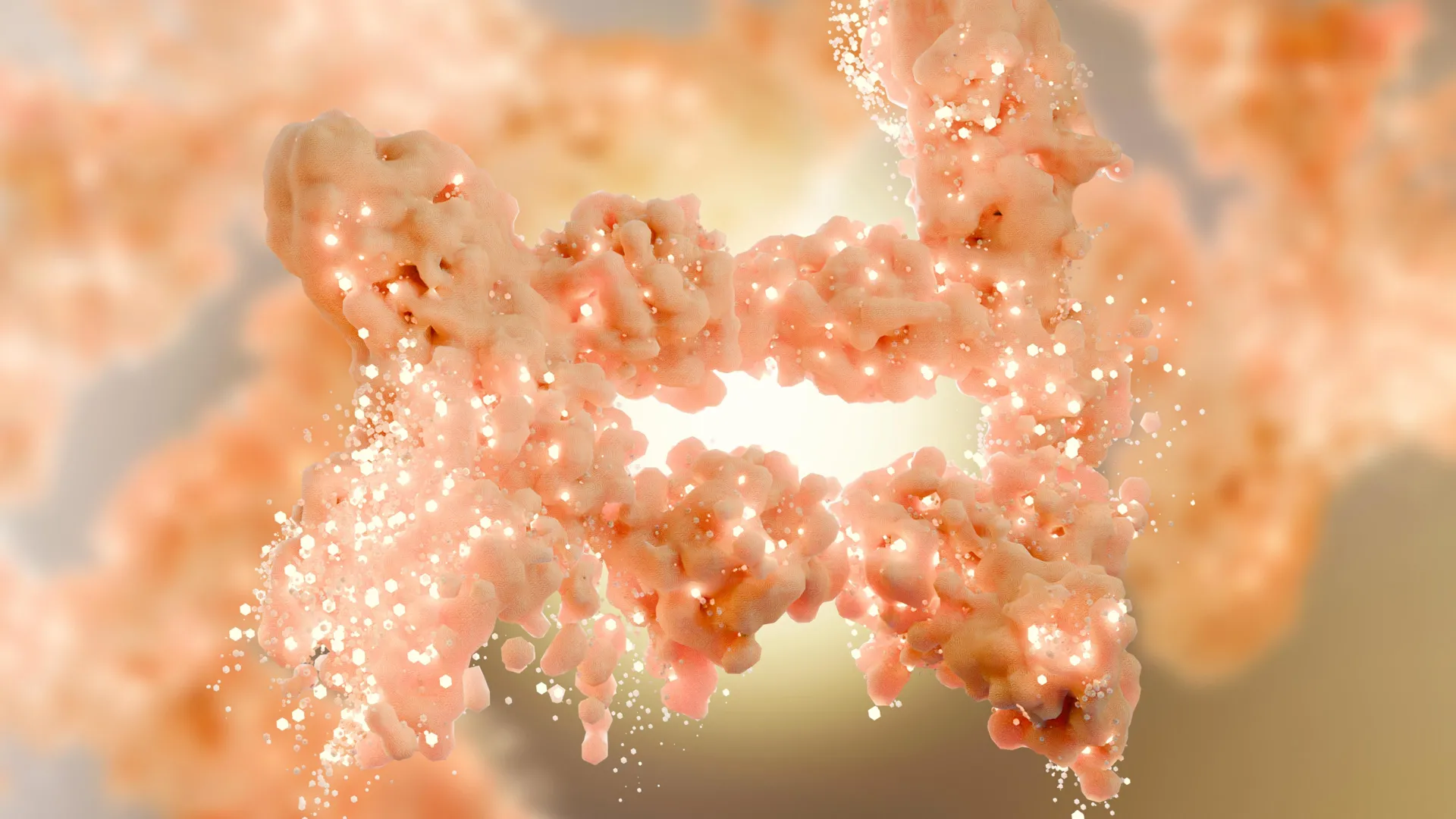
- Researchers paired XL-MS data with a modified version of AlphaFold, the Nobel-winning protein structure prediction algorithm, feeding cross-linking constraints directly into structural models — a first for virus-host complexes that previously resisted reliable prediction.
- The study found that influenza A infection causes paraspeckles — small droplet-like compartments in the cell nucleus — to dissolve consistently across every cell line and flu strain tested, releasing RNA-binding proteins the virus may use to support replication.
- Group leader Jan Kosinski noted paraspeckle disruption may carry a second benefit for the virus: some evidence suggests the structures contribute to cellular stress responses and antiviral gene regulation, so dissolving them could weaken parts of the cell's defense response.
- The team also tracked hemagglutinin, the viral surface protein, through the host cell's internal transport and processing network, identifying several host proteins that help fold and modify hemagglutinin correctly during infection — some of which previously had poorly understood functions.
- Published in Nature Microbiology as a collaboration across EMBL Hamburg, FMP Berlin, and Charité, the study used a lab-adapted flu strain; researchers say the method lays the groundwork for studying pandemic-relevant viruses such as H5N1.
Why it matters: Most flu drug discovery targets viral surface proteins directly. This EMBL map catalogs, for the first time, the physical contact points where influenza reaches into human cellular machinery inside living cells — including host folding proteins and nuclear paraspeckles. With seasonal flu killing up to 650,000 people annually and H5N1 flagged as the next pandemic concern, those contact points are now concrete, structurally modeled targets for next-generation antivirals.
Ask SkimNews