What time and where might you see the solar eclipse in Scotland — SkimNews
Get the Health newsletter
Daily health & science — research, biotech, public health, the studies worth knowing. Free.
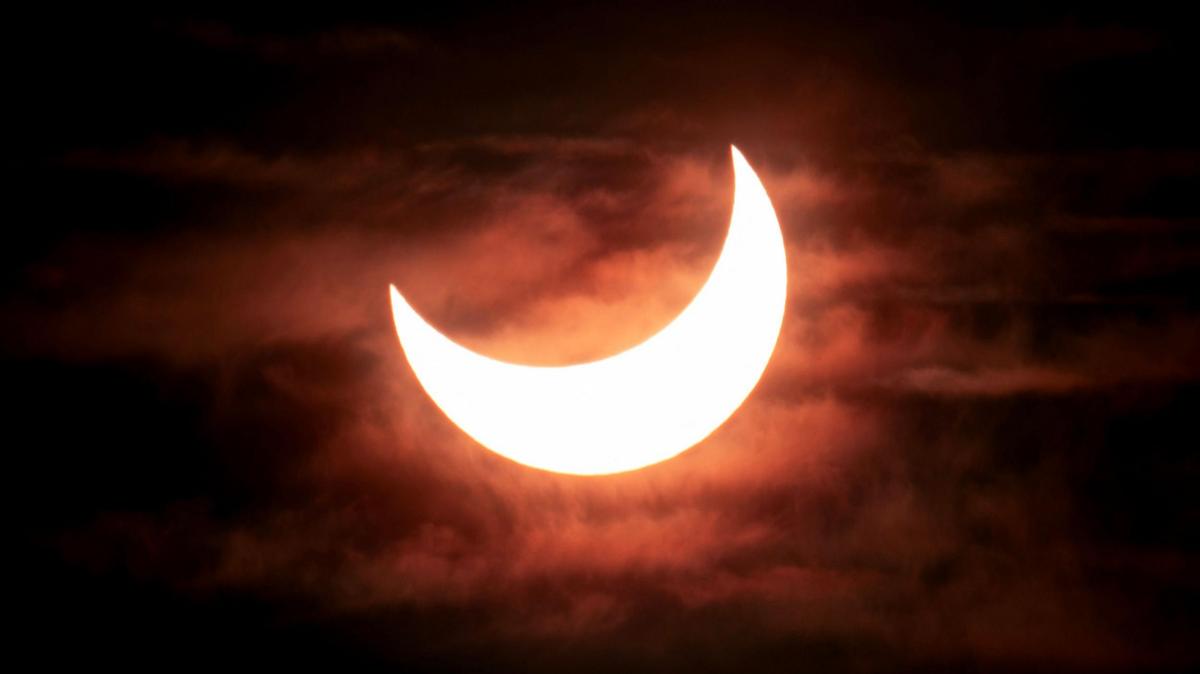
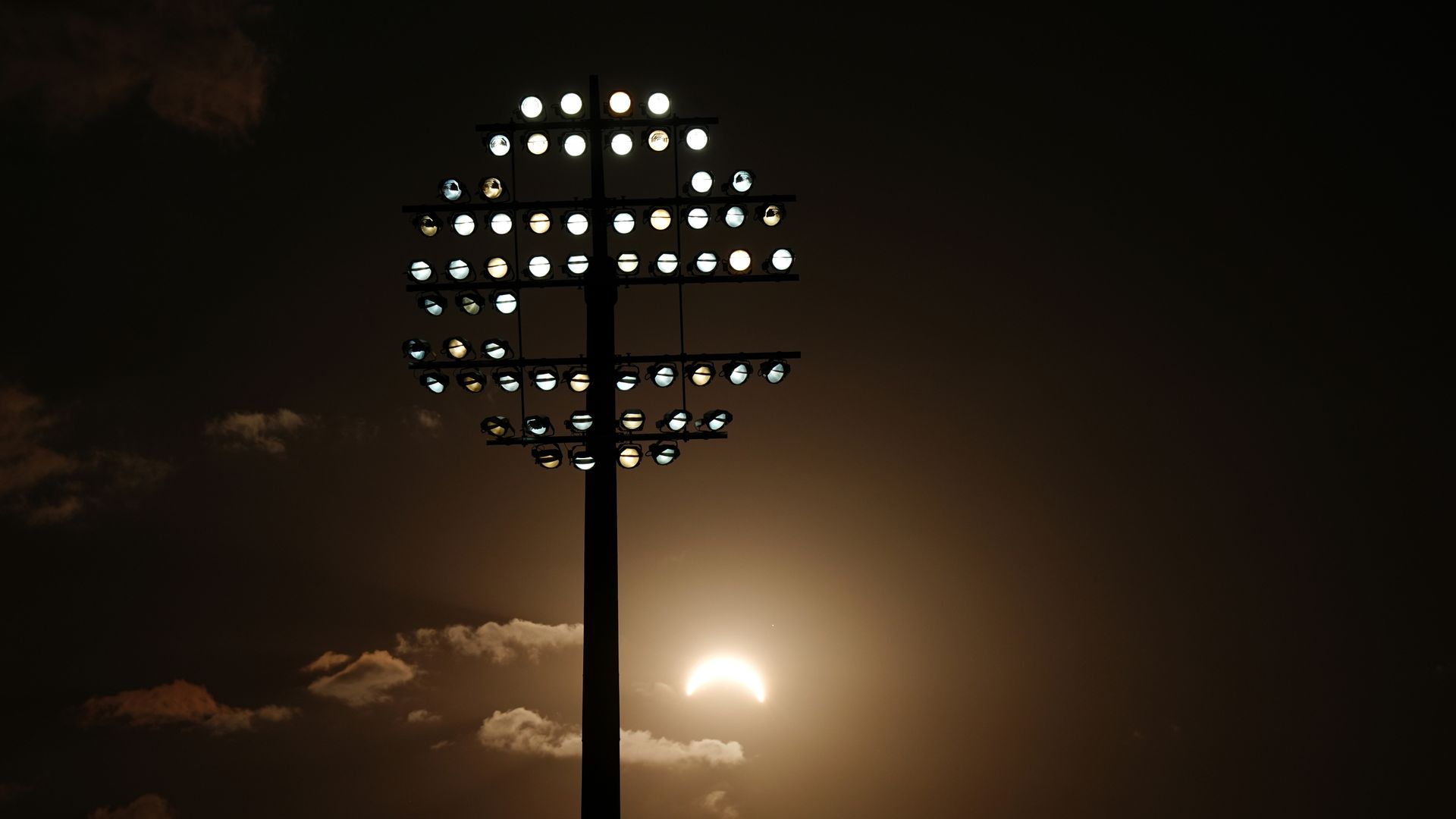
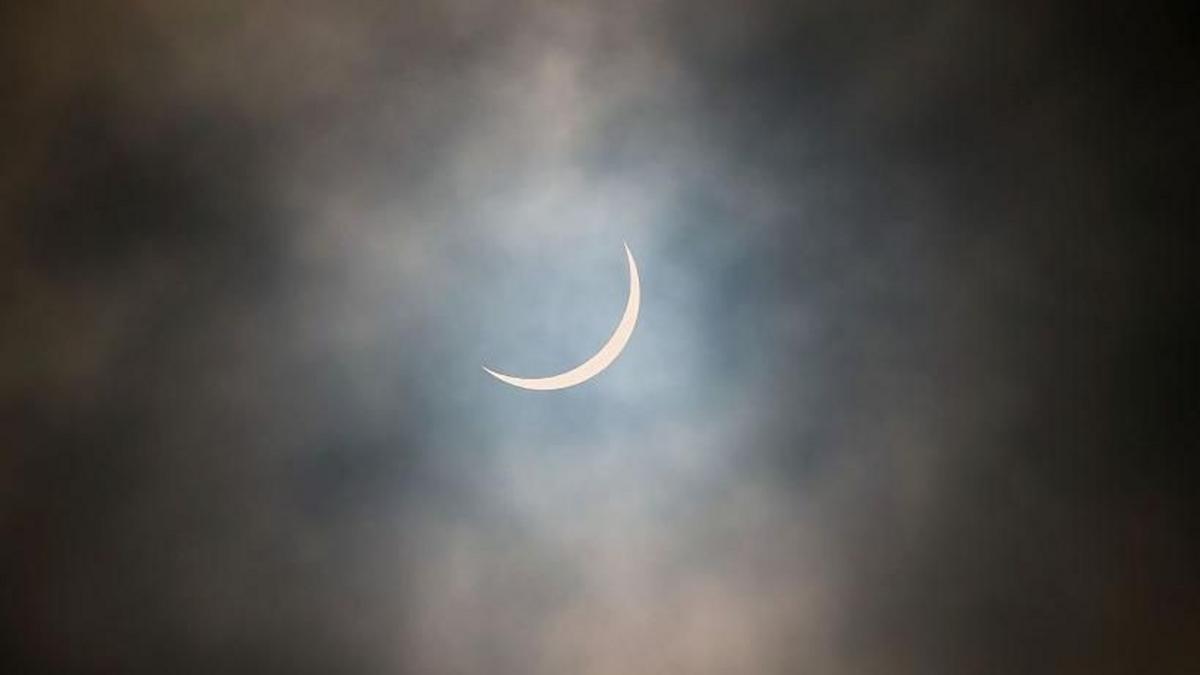
- Scotland will see up to 95% of the Sun obscured on Wednesday in the most dramatic eclipse visible from the UK since August 1999, with the event lasting about two hours.
- Prof Catherine Heymans, Astronomer Royal for Scotland, said Scotland is better positioned than England because the Sun sets later there, keeping the eclipse higher in the sky during its 18:01–20:00 BST window.
- BBC Weather presenter Joy Dunlop forecast southern Scotland as most likely to enjoy dry, largely clear skies, while the north west Highlands, Western Isles and Northern Isles face cloud and rain with "very limited or no visibility."
- Whitelee Windfarm Visitor Centre in East Renfrewshire is hosting one of the largest eclipse events but warned on Facebook the weather is "not looking great," offering refunds and admitting it "cannot guarantee a view."
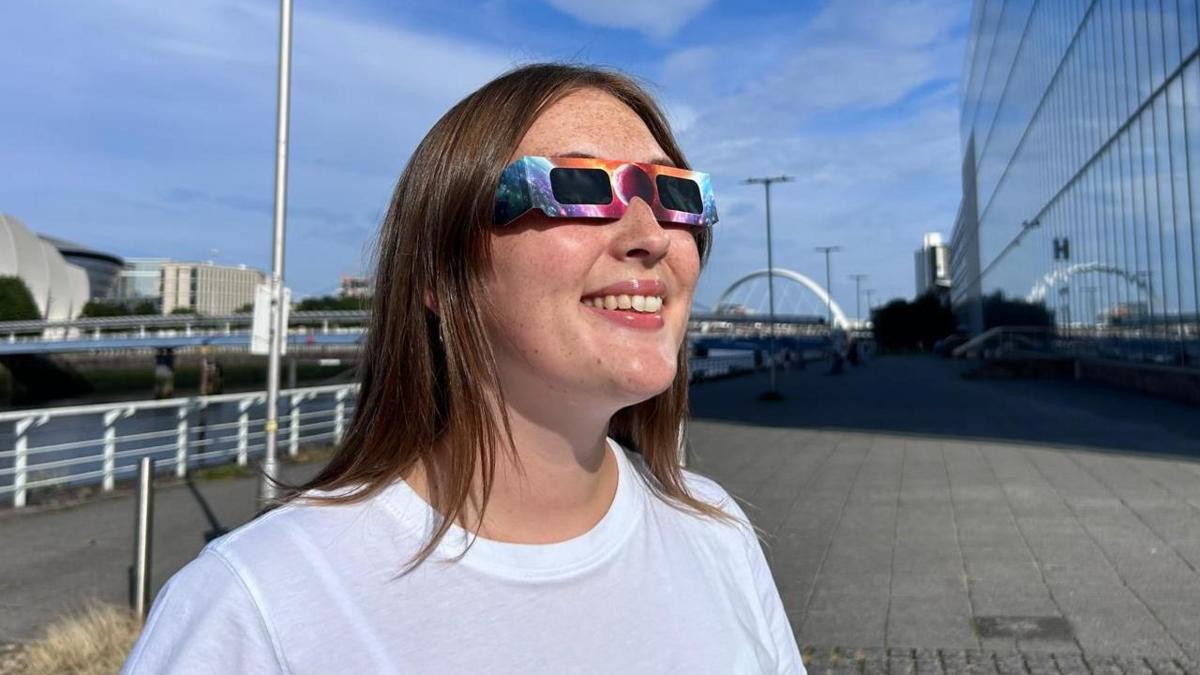
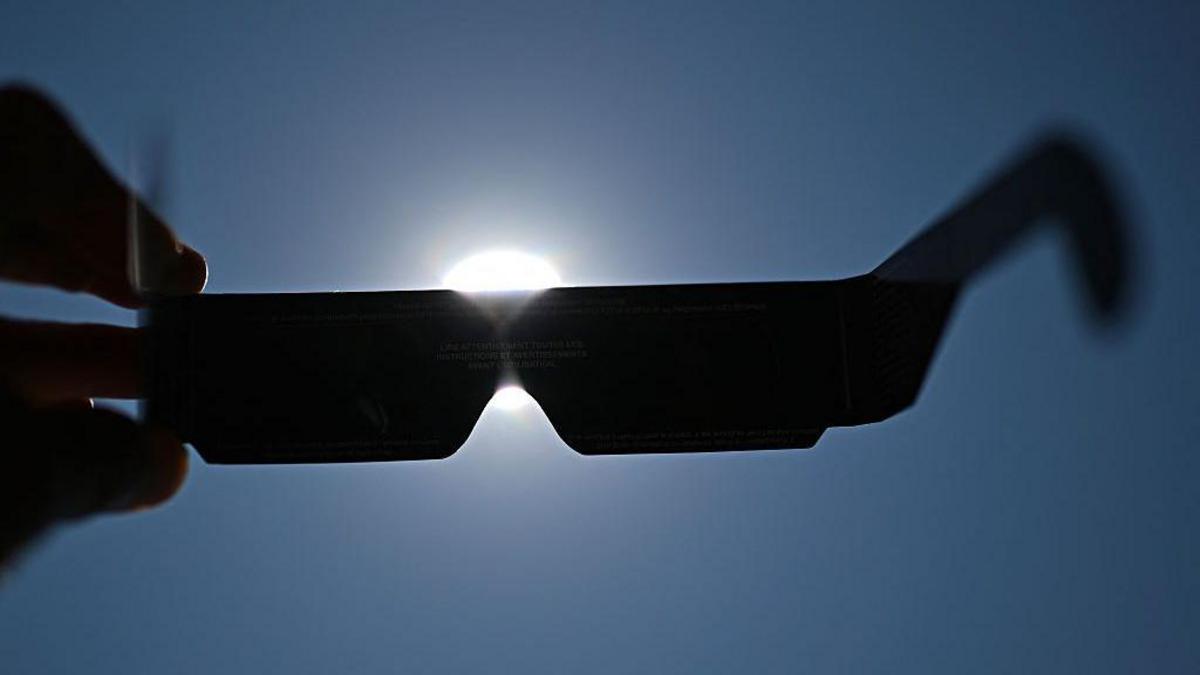
- At least 12 community events across Scotland — from Beirhope Farm in the Borders to Midhowe Broch on Orkney — will distribute ISO 12312-2 certified eclipse glasses and host solar telescopes, with Dundee's Broughty Castle and Edinburgh's Calton Hill among the sites.
- Royal College of Ophthalmologists data from the 1999 eclipse recorded about 70 cases of vision problems, roughly 40% from people who looked for less than a minute; Heymans recommended a colander as an indirect viewing method.
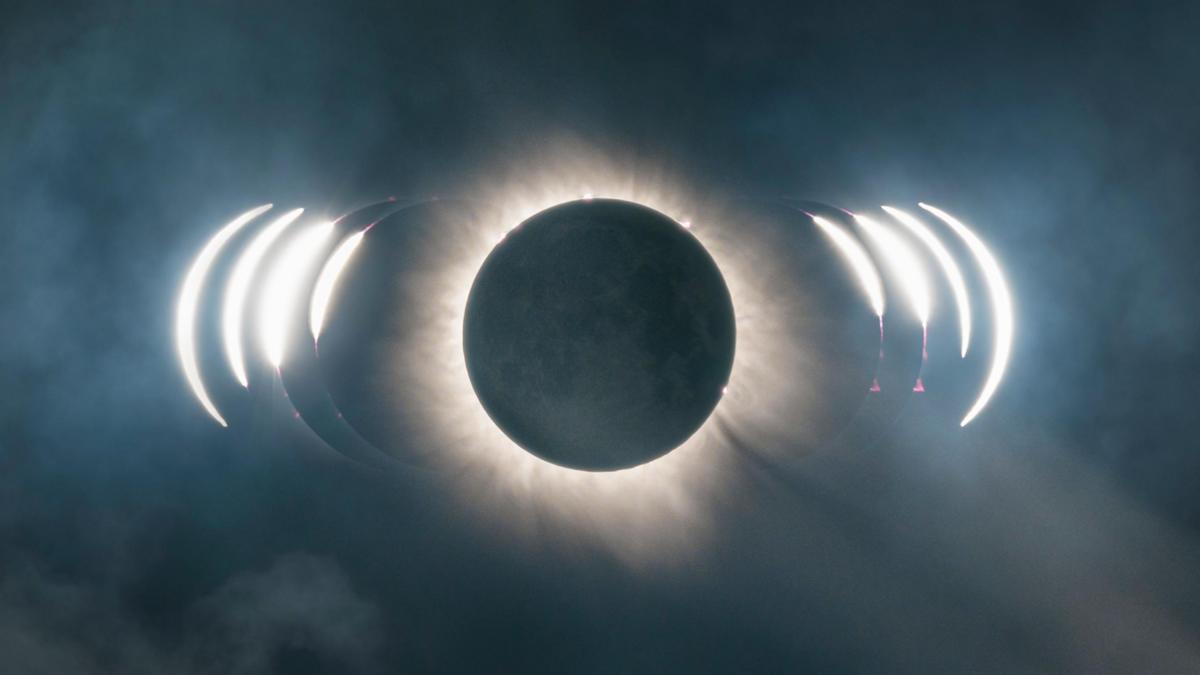
- The next total eclipse visible from the UK is not expected until 23 September 2090, leaving Wednesday's near-miss — Spain and Portugal will see totality — as close as Scotland will get for two generations.
Why it matters: With the next total eclipse over 65 years away (23 September 2090), Wednesday's near-totality is a once-in-a-generation viewing chance for Scotland, and cloud-dependent access to eclipse glasses at the dozen community events is the practical gatekeeper. Astronomers stress that 1999 produced roughly 70 reported eye injuries — one-third from glances under a minute — making safety messaging, not spectacle, the operational priority for event organizers from Orkney to the Borders.
Ask SkimNews