Scientists Battle Over Slime Mould 'Intelligence' — SkimNews

Get the Health newsletter
Daily health & science — research, biotech, public health, the studies worth knowing. Free.
- Toshiyuki Nakagaki, who first encountered Physarum polycephalum as an undergraduate in Hokkaido 40 years ago, published the landmark 2000 maze-solving experiment and the "Tokyo railway" study in which the mould nearly retraced the greater Tokyo rail map using oat flakes as waypoints.
- Nakagaki won two Ig Nobel prizes — the first for the maze paper in the field of "cognitive science," the second cheekily citing the Tokyo railway study as a breakthrough in "transportation planning."
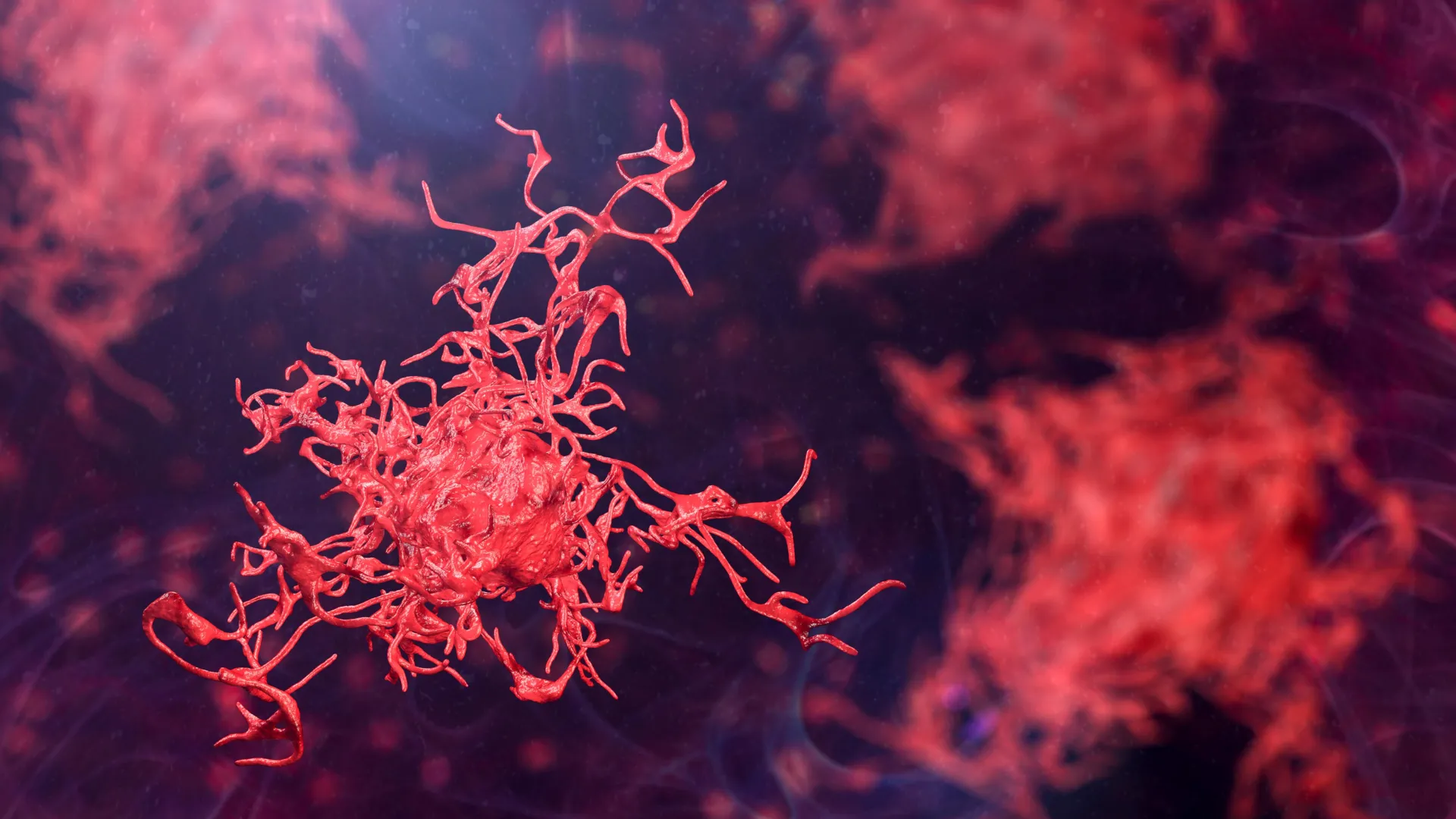
- Physarum polycephalum, a single multi-nucleated cell (a syncytium) that can span a couple of square metres and crawl at 1cm/hour, has been the subject of more than 10,000 academic publications over the past quarter-century, according to Google Scholar.
- The debate has split into neuropurists, who insist cognition requires neurons, and biogenic theorists who argue intelligence is intrinsic to all life — a divide that exploded in 2007 when dozens of neuropurists signed a declaration dismissing "plant neurobiology" as nothing more than a pretty catchphrase.
- Michael Levin, a Tufts University professor who claims every individual cell is intelligent, told the source he regularly receives hate mail, including one letter calling him "dangerously insane."
- Pamela Lyon of Adelaide University frames the dispute as a "Copernican revolution" in which "the locus of intelligence and cognition is finally shifting from the human paradigm," while plant physiologist Lincoln Taiz dismisses biogenic theorists as suffering from "brain envy."
Why it matters: With 10,000-plus publications on Physarum and high-profile Ig Nobel recognition, the biogenic-vs-neuropurist fight is no longer fringe — it is reshaping how biologists define cognition itself. Whoever wins the argument redraws the boundary of what counts as intelligent life, with concrete stakes for research funding, taxonomy, and how scientists study any organism without a brain.
Ask SkimNews