Chiefs are Argentina, Cowboys are USMNT: The World Cup equivalents for eight NFL teams — SkimNews
Get the Sports newsletter
Daily sports — scores, transfers, the storylines from the leagues you actually follow. Free.
- Seattle Seahawks mirror Spain's defensive dominance: Mike Macdonald's unit surrendered a league-low 292 regular-season points, while Spain set a World Cup record with seven clean sheets in eight matches and Golden Glove winner Unai Simón conceded just one goal.
- Dallas Cowboys parallel the USMNT as chronically underperforming 'America's Team'—the Cowboys haven't advanced past the divisional round since 1995, and the USMNT hasn't reached a World Cup semifinal since finishing third in 1930, including with the 2026 roster on home soil.
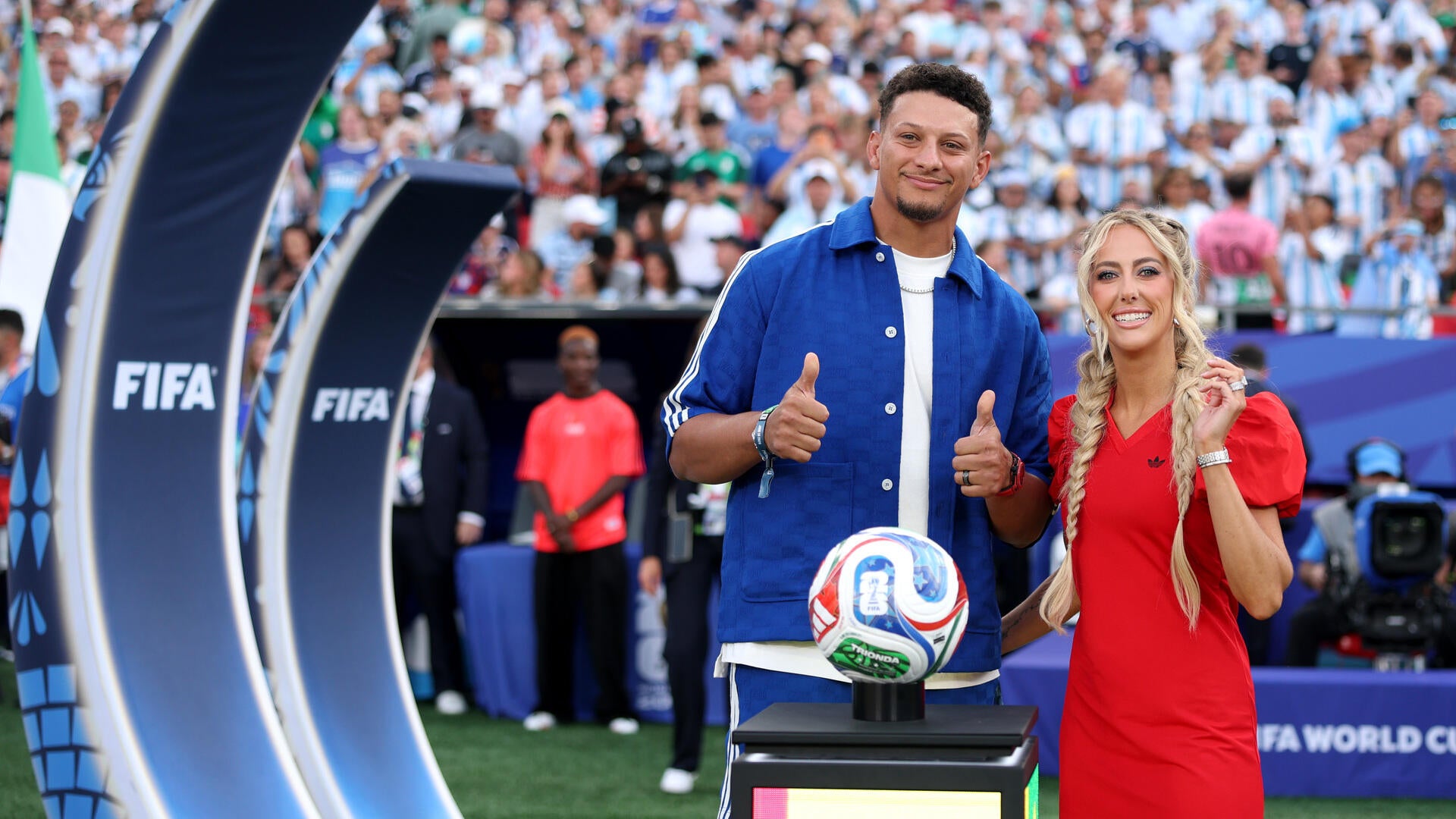
- Kansas City Chiefs mirror Argentina's clutch DNA—Patrick Mahomes and Lionel Messi share GOAT-tier credentials, the Chiefs have reached three of the last four Super Bowls, and Argentina has reached three of the last four World Cup finals with multiple late rallies.
- Buffalo Bills mirror England's title drought—the Bills made the playoffs in each of the last seven years without reaching a Super Bowl, while England qualified for each of the last eight World Cups without reaching a final (both last won titles in the mid-1960s).
- New England Patriots parallel Brazil's dynastic transition—post-Tom Brady New England now leans on Drake Maye (last year's MVP runner-up), while Brazil is handing the torch from Neymar to Vinícius Júnior, the 2024 Ballon d'Or runner-up.
- Pittsburgh Steelers mirror Portugal's reliance on aging legends—Aaron Rodgers enters what he says will be his final season and projects, per the piece, as a replacement-level quarterback, while many argued Cristiano Ronaldo should have held a bench role at the World Cup.
- Cincinnati Bengals mirror Norway's leaky defense—the Bengals rank among the NFL's top yardage and scoring leaders but consistently lack defensive support, while Norway finished the World Cup sixth in goals scored yet conceded the fourth-most.
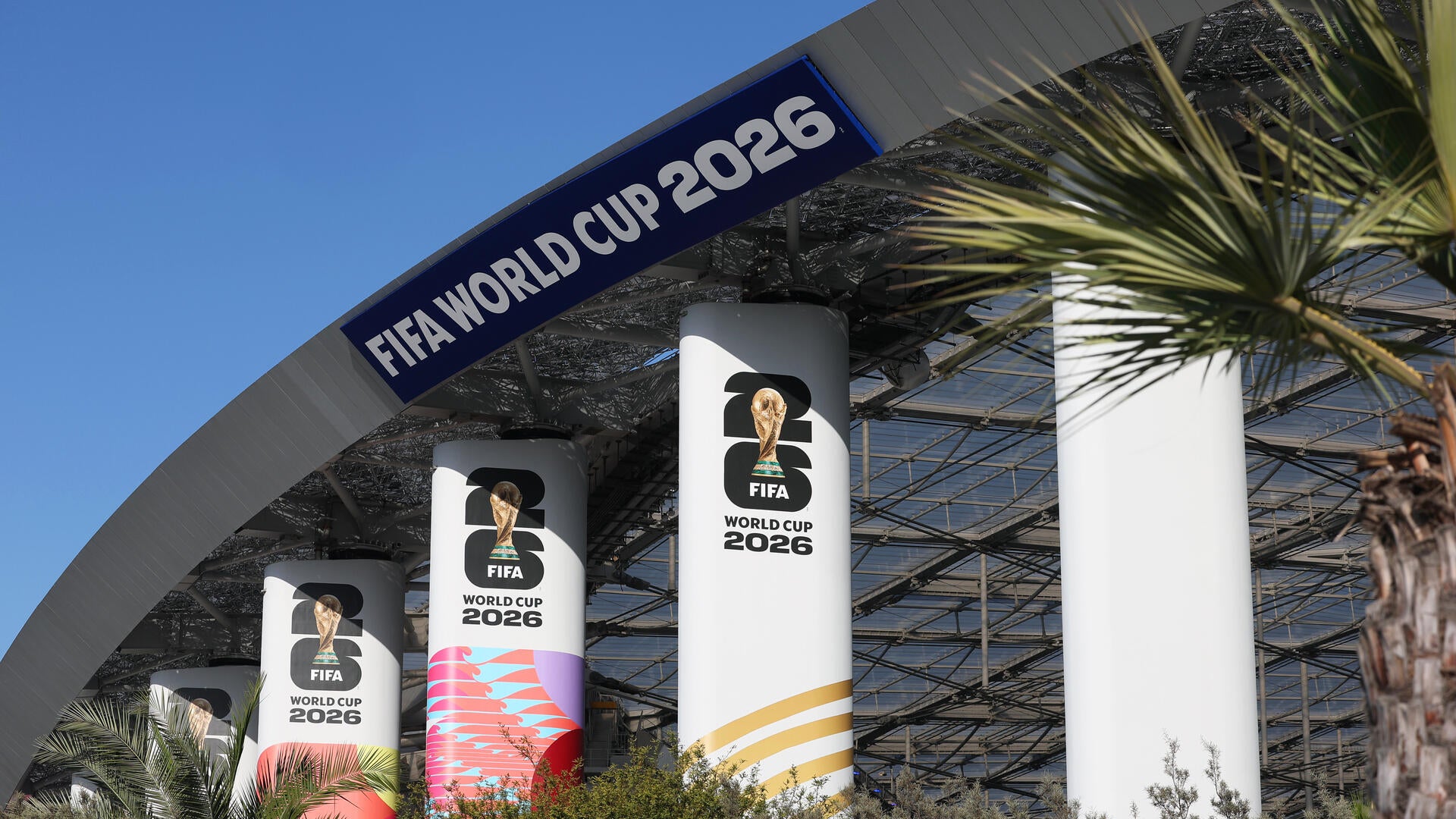
Why it matters: The piece lands just after the U.S. hosted the World Cup at 11 NFL stadiums, offering non-soccer fans a familiar on-ramp to international football. Its matches surface shared frustrations—Cowboys/USMNT futility, Bills/England title droughts—and dynastic legacies like Patriots/Brazil that resonate across both fanbases, potentially deepening how American audiences engage with the sport.
Ask SkimNews