Trekkers helicoptered off mountains as more deadly landslides hit Nepal — SkimNews

Get the Energy newsletter
Daily energy & climate — solar, EVs, oil, the policy fights and tech bets shaping the transition. Free.
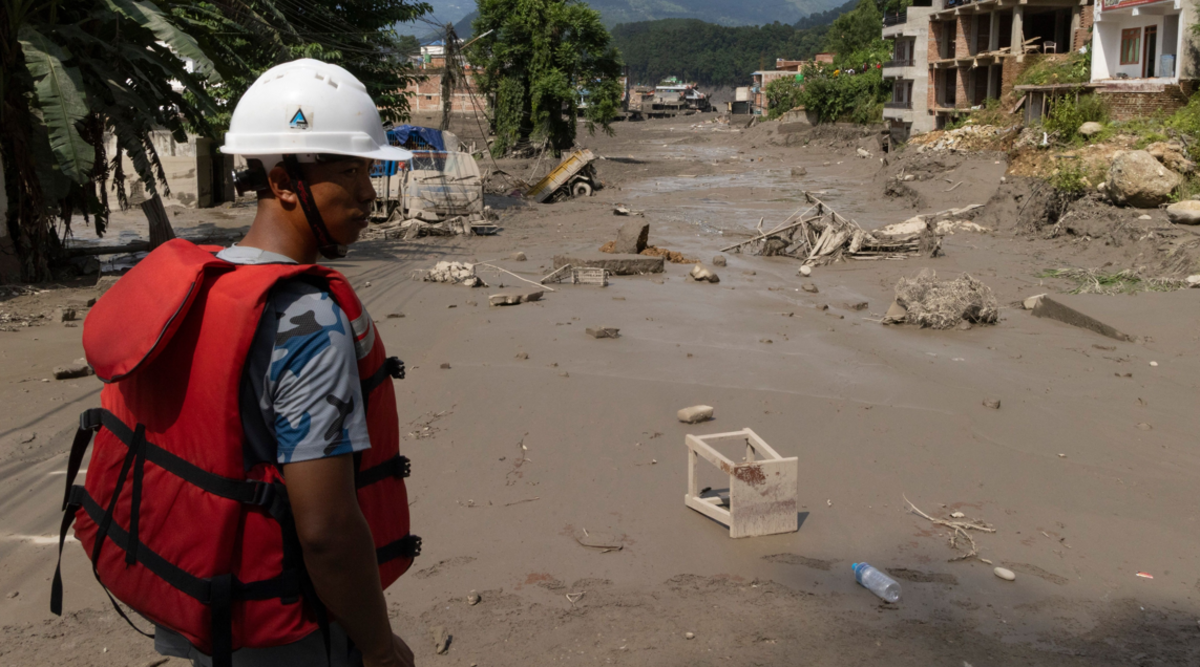
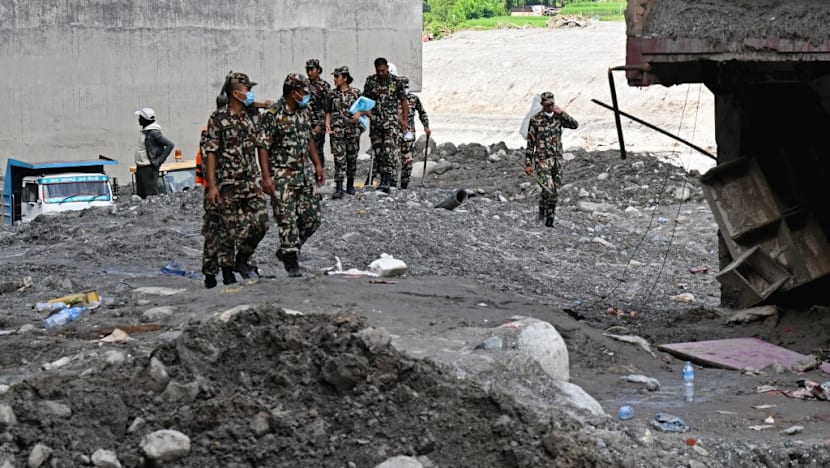
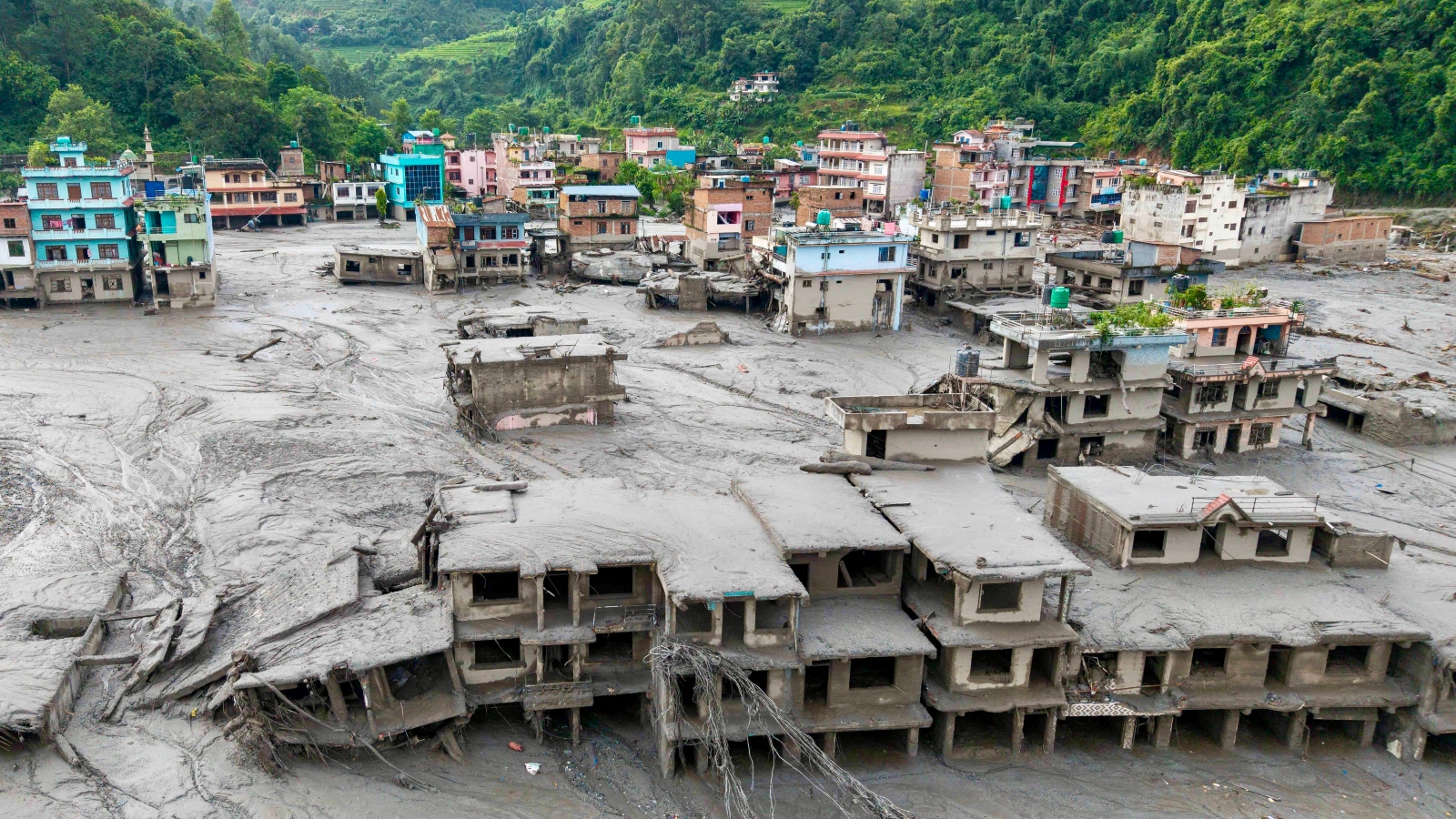
- Nepal's national disaster management authority says another wave of landslides and heavy rain killed about 30 people since late last week, affecting more than 1,900 families and damaging over 240 homes.
- Hundreds of trekkers on the Annapurna Circuit — described as crucial to Nepal's economy — were helicoptered out of Manang and Mustang districts after main roads and bridges were washed away.
- Four bodies have been recovered and 12 people remain missing after an avalanche near the base of Himlung Peak, close to the Tibet border.
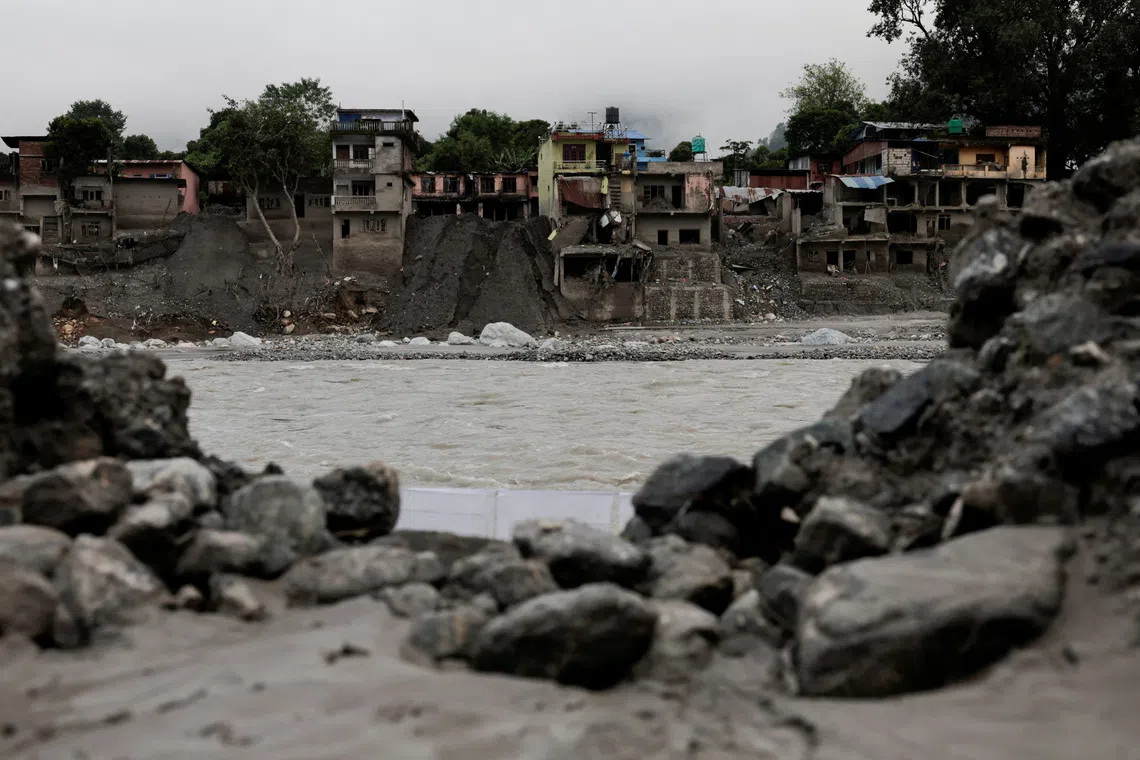
- A massive landslide partially blocked a river through the village of Chame, creating a temporary lake that inundated houses and a key bridge; authorities have spent three days trying to release the water with excavators without success.
- Annapurna Conservation Area Project officials said roughly 700 trekkers were still waiting in Pokhara to begin the circuit, adding they were holding back departures despite industry pressure to announce the route open.
- Norwegian trekker Ellen Wahlström captured the asymmetry of the disaster: visitors lose only belongings, while locals risk losing homes, land, and relatives — a contrast echoed by guide Tse Ring Doma, who said even thunder made her group panic after last month's floods.
- Trekkers described treacherous descents crossing 15 to 28 landslides, with Australian Andrew Graham and guide Prem KC forced to spend a night in the jungle after Chame was evacuated.
- Chief district officer Mukti Prasad Khanal confirmed that while road damage in Manang was serious and communications were down in some areas, no trekkers had been killed in the region.
Why it matters: The Annapurna Circuit is flagged as crucial to Nepal's economy, yet the trekking authority is holding back ~700 would-be trekkers in Pokhara despite industry pressure to reopen — a standoff that puts tourist revenue against safety after back-to-back disasters. With August floods having already killed 1,400, this second wave hits the same communities while locals face total loss of housing that helicoptered-out visitors never will.
Ask SkimNews