FERC Orders Grid Operators to Open Room for Flexible AI Loads — SkimNews
Get the Energy newsletter
Daily energy & climate — solar, EVs, oil, the policy fights and tech bets shaping the transition. Free.
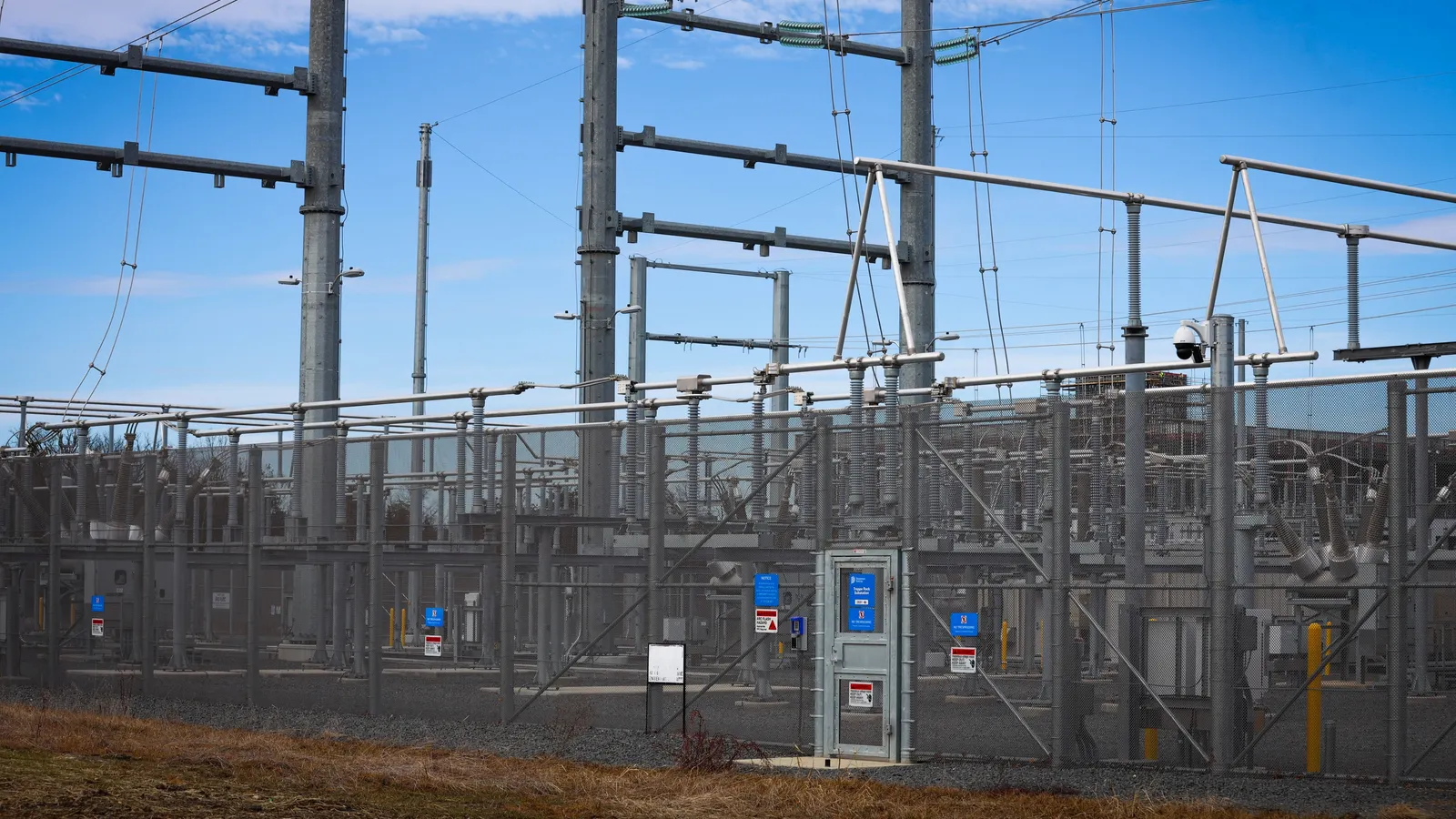
- Data center demand is driving the fastest grid load growth in a generation, with some campuses requesting more power than a mid-sized city — and interconnection queues now so long that customers who have already signed won't be served on time.
- FERC in June directed regional grid operators to revisit large-load interconnection rules and create room for customers that can raise and lower their demand on request.
- Conventional power plant retirements are removing rotational inertia from the grid, shrinking the spinning-mass cushion that absorbs sudden frequency swings as more power flows through electronics.
- A University of Utah study modeled the Western grid and found running data centers more flexibly could save ~$62 million a year through off-peak scheduling, rising to ~$590 million with regional coordination and on-site energy infrastructure.
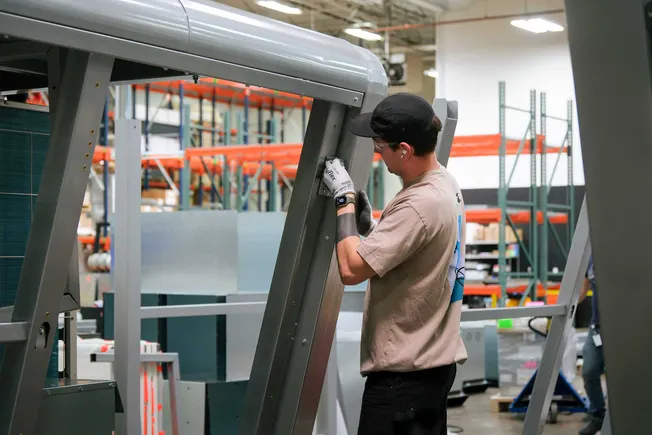
- Torus pairs flywheels (millisecond response from spinning mass) with batteries (minutes-to-hours) into hybrid storage built in Utah and deployable 12–16 weeks from signed contract.
- Mohammad Amin Mirzaei, a University of Utah researcher, summarized the flexibility thesis: "Instead of shipping electricity across overloaded lines, you ship the computation."
Why it matters: For utilities stuck with multi-year grid buildout timelines while AI and electrification drive record load growth, FERC's June directive reframes flexible demand as a real grid resource — with Western-grid savings from data-center load-shifting modeled at up to $590 million a year. The order turns customer flexibility programs, long managed as background operations, into dispatchable capacity the system can count when new power can't arrive in time.
Ask SkimNews