AI load growth is changing the utility business model — SkimNews

Get the Energy newsletter
Daily energy & climate — solar, EVs, oil, the policy fights and tech bets shaping the transition. Free.
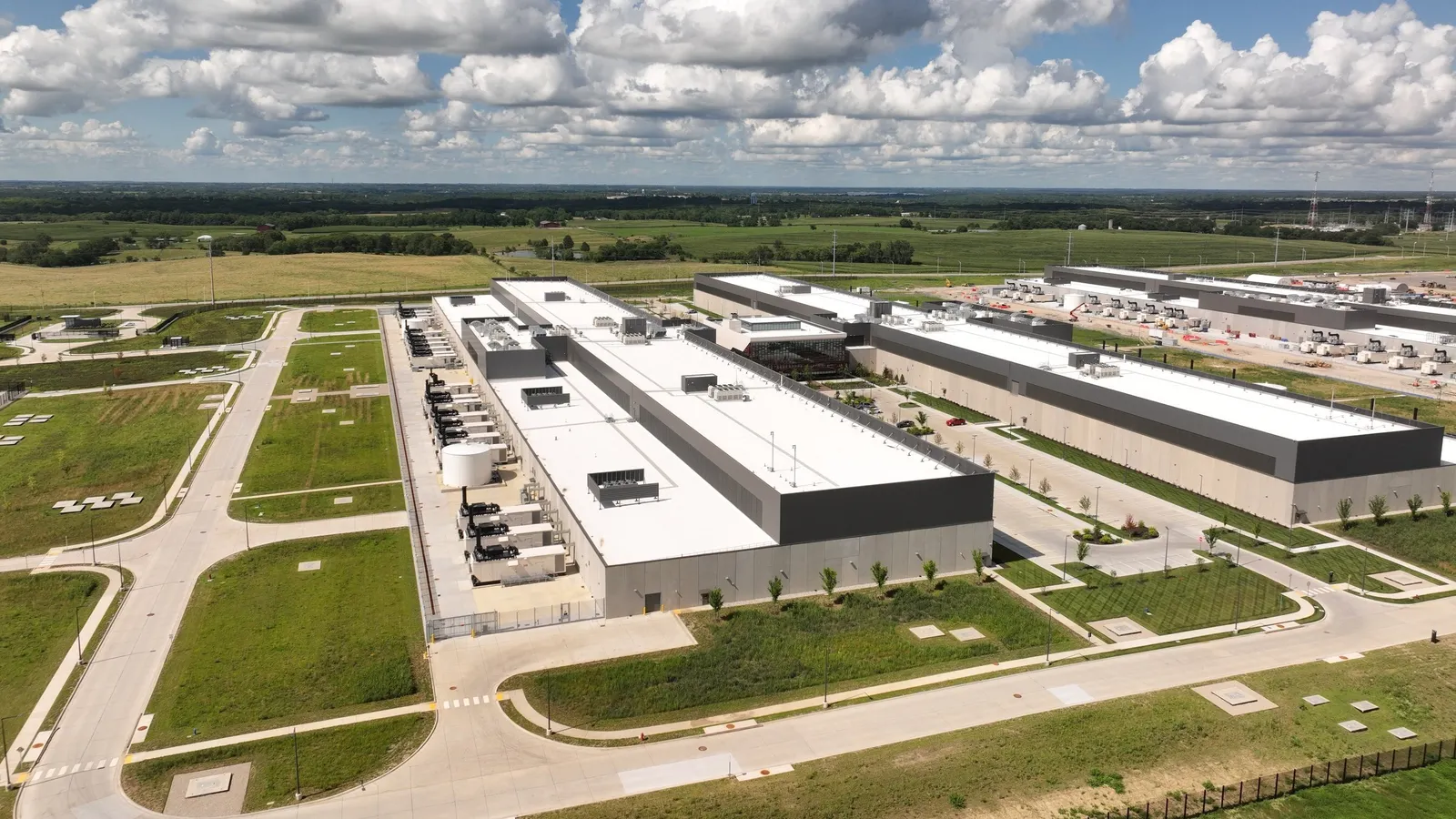
- Data center load is projected to grow from less than 5% of U.S. electric load in 2020 (when campuses typically ranged 100-300 MW) to 15-20% of total U.S. generation load by 2030, driven by dozens of planned campuses nationwide.
- Dominion Energy and NextEra Energy are in reported discussions that West Monroe M&A lead Alex Torgerson told The Wall Street Journal will face a "challenging" regulatory approval process focused on customer affordability, reliability, and public-interest benefits.
- West Monroe Utilities Industry lead David Pretyman said the proposed deal is "one of many" he expects as the industry scales to handle aggressive growth and reduce customer costs.
- Virginia regulators approved a new Dominion Energy rate class for customers demanding 25 MW or more, explicitly covering large data center users, marking a concrete shift in how utilities price and serve large loads.
- Georgia Power's 2025 Integrated Resource Plan includes quarterly large-load economic development reports and updated forecasting around roughly 8,500 MW of projected load growth over six years.
- SEPA's Database of Emerging Large-Load Tariffs now tracks 75+ tariffs as utilities deploy minimum bills, upfront deposits, long-term service agreements, collateral, and phased energization to separate durable AI demand from speculative interconnection requests.
Why it matters: Regulators in multiple states are actively rewriting the utility-customer contract — Virginia's new 25 MW rate class and the 75+ large-load tariffs tracked by SEPA show the rules are changing before the buildout peaks, meaning affordability rulings on any mega-deal will set the template for how AI infrastructure costs are allocated between data center operators and residential ratepayers.
Ask SkimNews