AI data center growth could force US utilities to rethink generation plans, BofA says — SkimNews
Get the Energy newsletter
Daily energy & climate — solar, EVs, oil, the policy fights and tech bets shaping the transition. Free.
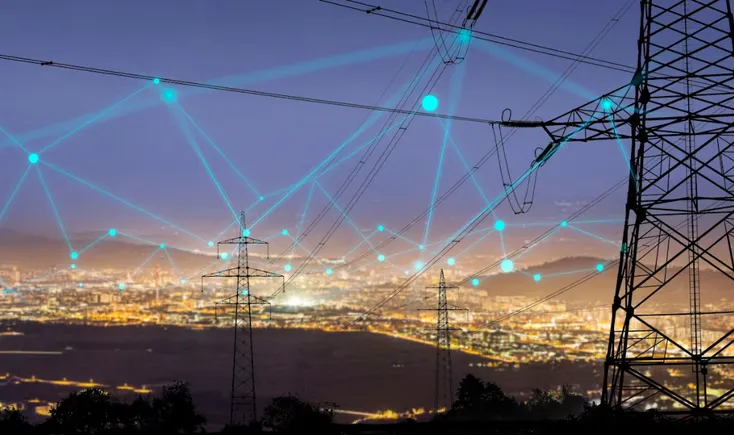
- BofA analysts forecast the US will need 230+ GW of new generating capacity over the next five years, but regulated utilities are expected to add only ~93 GW of accredited supply — leaving a gap exceeding 100 GW.
- Data centers alone could add ~125 GW of US electric load through 2030, pushing overall electricity demand growth to a 4.1% CAGR from 2026-2030.
- Large gas turbines are largely sold out through 2030, pushing data center developers toward on-site gas reciprocating engines from manufacturers including Caterpillar, INNIO, Rolls-Royce and Wärtsilä.
- Utilities are delaying or canceling coal plant retirements in Maryland, Wisconsin, Indiana, Utah, Kansas, Nebraska and Mississippi to preserve dispatchable capacity while new generation lags.
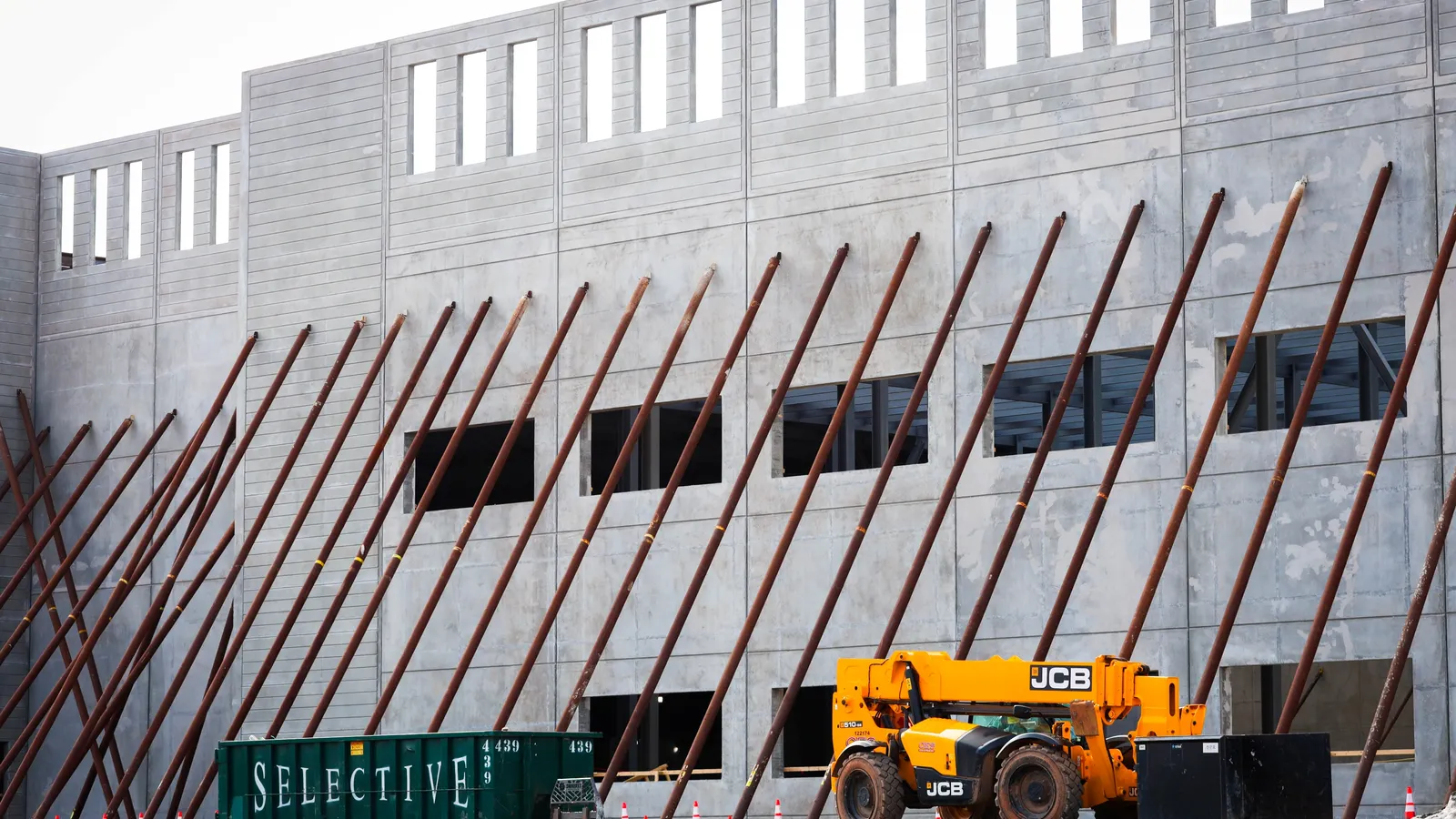
- More than 7.5 GW of data center projects with behind-the-meter generation are already under construction, with another 60+ GW in pre-construction, typically paired with grid connections for reliability.
- Transmission projects can take over a decade to build — the Champlain Hudson Power Express took 16 years from planning to energization — limiting how fast new supply can reach load centers.
- Electricity demand is relatively inelastic short-term: a 10% real price increase typically yields only a 1-2% decline in consumption, limiting price-based demand destruction.
Why it matters: The 100+ GW supply gap means utilities must extend coal retirements, deploy behind-the-meter gas engines, and pursue slow transmission upgrades to keep AI infrastructure powered. With demand inelastic — a 10% price hike cuts consumption just 1-2% — utilities and regulators face a hard choice on who absorbs the cost of accelerated buildout before data center pipelines outpace grid capacity.
Ask SkimNews