Wales Consults Public on State Renewable Energy Firm — SkimNews

Get the Energy newsletter
Daily energy & climate — solar, EVs, oil, the policy fights and tech bets shaping the transition. Free.
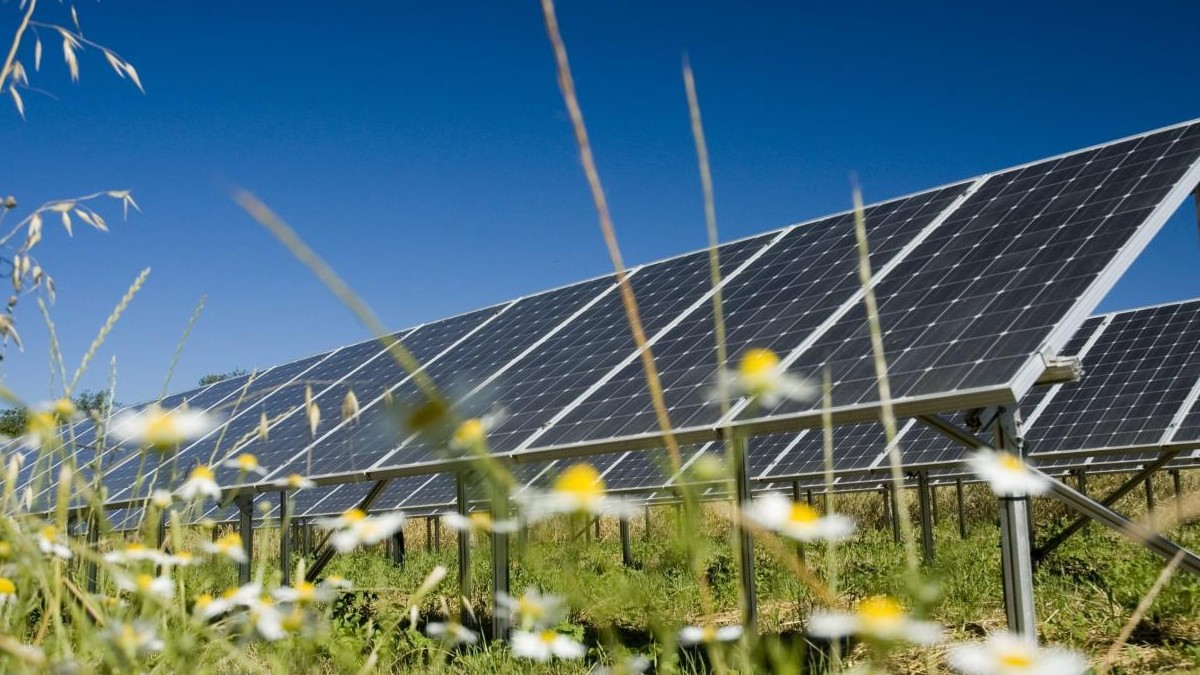
- Welsh Government opened a public consultation on a proposed new renewable energy company that would develop and own wind and solar plants and support local communities taking ownership stakes.
- Enterprise Minister Adam Price framed the vision as energy that is "clean, cheap and owned by us," warning Wales should not repeat the historical pattern of others profiting from Welsh resources as occurred during the coal era.
- The proposed firm would consolidate existing state-backed Trydan Gwyrdd Cymru (TGC), Ynni Cymru, and the Welsh government's energy service into one body, and would operate separately from UK government-owned Great British Energy established in 2024.
- TGC is already developing onshore wind projects at Carreg Wen near Aberdare and Glyn Cothi in Carmarthenshire, and the consultation proposes the new entity could also take stakes in offshore wind, marine energy, and nuclear projects.
- A proposed Welsh Energy Wealth Fund would channel revenue toward vulnerable households and communities hosting renewable installations, while the firm itself would not replace existing suppliers or set consumer prices directly.
- Welsh Labour (Vikki Howells), Welsh Conservatives (Janet Finch-Saunders), and Reform Wales (Jason O'Connell) all criticised the plan, with Labour calling it redundant given TGC and Ynni Cymru already exist, and Conservatives and Reform arguing it misses the immediate priority of cutting household bills.
Why it matters: The proposal would merge TGC, Ynni Cymru, and the Welsh government's energy service into a single publicly-owned generator, but all three opposition parties argue it duplicates structures already in place. With Welsh households paying some of the UK's highest energy bills, the central question is whether public ownership of generation can materially reduce consumer costs or merely adds a state layer without addressing the bill problem.
Ask SkimNews