Mecca Pact Envoys Meet Iran to Avert War — SkimNews
Get the Geopolitics newsletter
Daily geopolitics — wars, elections, sanctions, the diplomatic moves that move markets. Free.
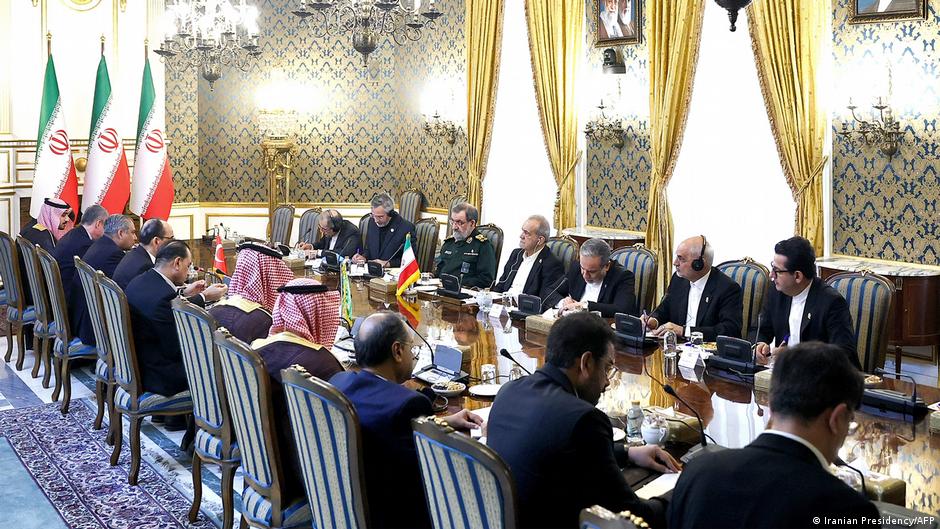
- Pakistan's army chief Asim Munir, alongside Saudi and Turkish intelligence leaders, met Iranian President Masoud Pezeshkian to propose a regional non-aggression framework and mediate U.S.-Iran tensions.
- Saudi Defense Minister Khalid bin Salman joined the Tehran talks, emphasizing the goal of preventing military escalation and seeking a diplomatic solution to Houthi attacks on Saudi infrastructure.
- Turkey's intelligence chief Ibrahim Kalin participated in the Mecca pact delegation, signaling Ankara's role in regional deterrence despite its NATO commitments and cautious stance on direct conflict.
- Iran's Supreme National Security Council head Mohsen Rezaei described the talks as fostering a 'new atmosphere' in West Asia, rejecting outside intervention while affirming Tehran's conditions for ending the 'neither war nor peace' state.
- Mecca defense pact envoys presented a joint diplomatic front to Iran, with analysts noting the visit served both as a show of regional unity and a potential deterrent against further escalation.
- Iranian President Masoud Pezeshkian met Russian President Vladimir Putin and Qatar’s Emir Sheikh Tamim in Moscow, discussing the Strait of Hormuz and regional war dynamics days after the Tehran talks.
Why it matters: Saudi Arabia faces rising costs from Houthi attacks and economic risks of wider war, making diplomacy urgent; Iran gains leverage by engaging multiple powers while avoiding concessions, prolonging negotiations without binding commitments. The Mecca pact’s dual role as mediator and deterrent shifts regional power dynamics without resolving core tensions.
Ask SkimNews

