Ulez restored London children's lungs, study finds

Get the Energy newsletter
Daily energy & climate — solar, EVs, oil, the policy fights and tech bets shaping the transition. Free.
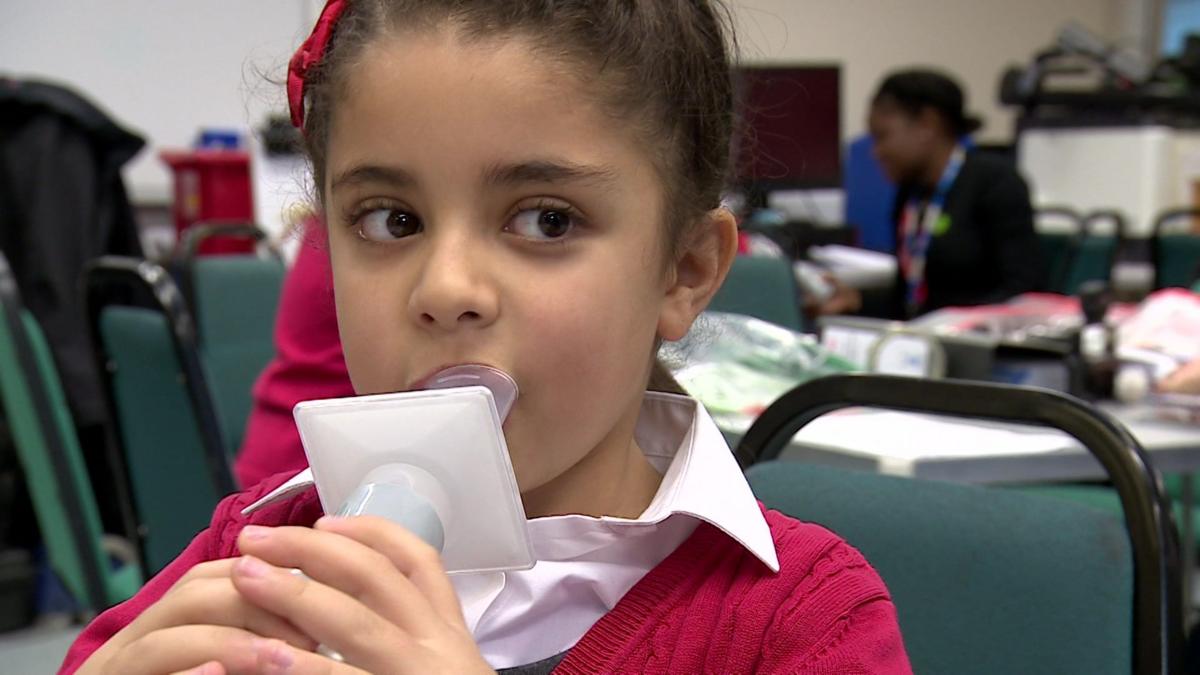
- Study of 3,414 children aged six to nine (1,664 in London, 1,750 in Luton control) tracked from 2018 to 2022 found lung capacity in London children improved to match Luton peers after Ulez launched in 2019.
- London children's nitrogen dioxide exposure fell twice as fast and twice as much as Luton children's within five years of Ulez, and the lung function improvements correlated strongly with air quality improvements.
- Chris Griffiths, professor of primary care at Oxford and QMUL and the study's joint senior author, called the findings 'vindication' of the policy and said ambitious clean-air zones should be 'a priority for cities globally.'
- Sadiq Khan wrote in the Guardian that Ulez opponents had 'cynically sought to turn questions of public health into a crude culture war' while London children are 'reaping the rewards.'
- Stephen Burgess, biostatistics professor at Cambridge and not involved in the study, cautioned it was not clear the changes were truly attributable to Ulez, noting the Covid pandemic also affected pollution levels.
- Karin Smyth, UK health minister, called the Lancet Public Health study 'a powerful reminder of the impact that air quality has on children's lung health.'
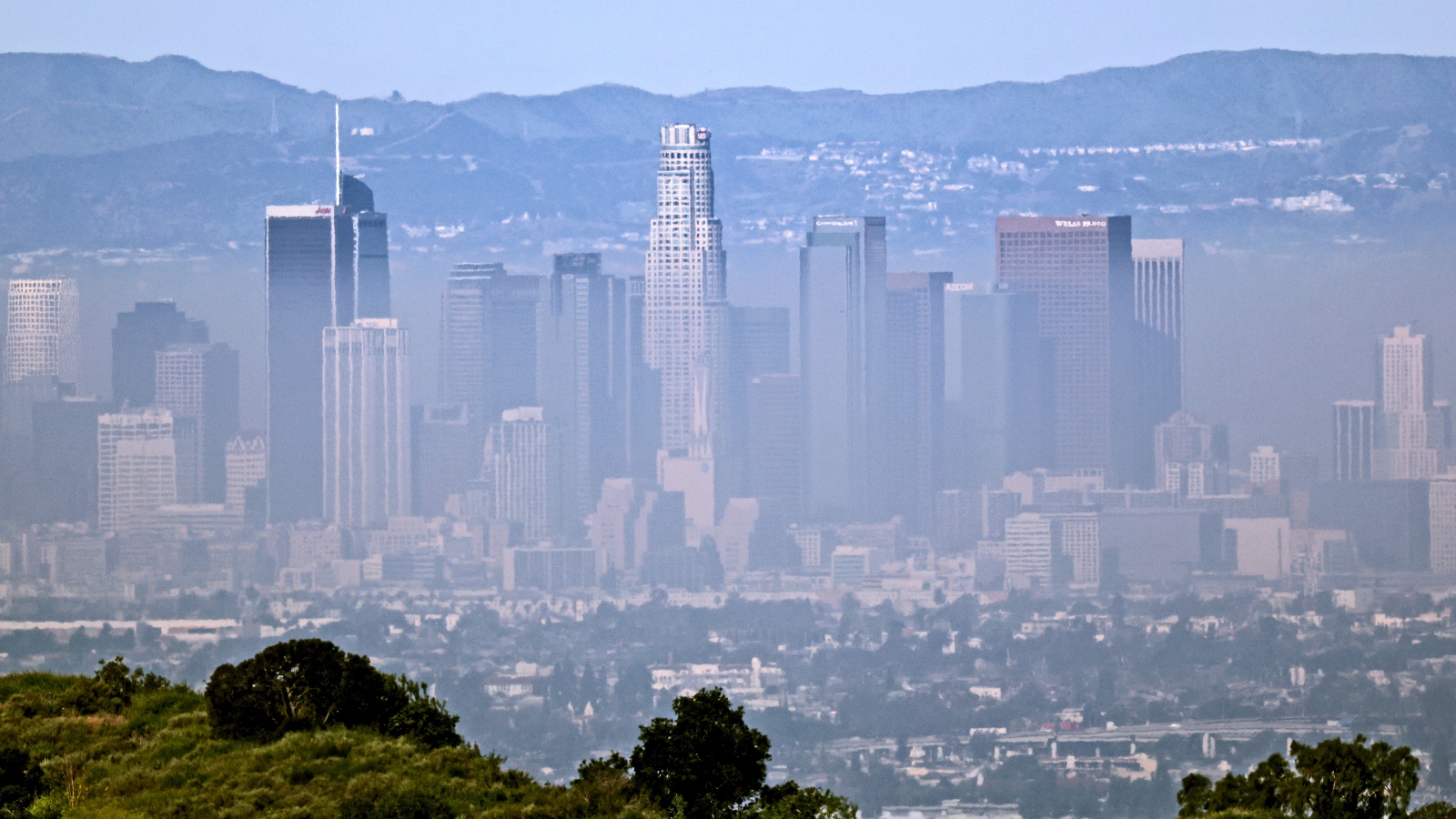
- Prior research cited in the study found London children from the most polluted areas had 5-10% less lung capacity by age eight or nine, raising their adult risk of asthma, COPD, cardiovascular disease, and premature death.
Why it matters: Sadiq Khan's politically contested Ulez expansion now has empirical backing from a Lancet study tracking 3,414 children — the strongest evidence yet that clean-air zones reverse pollution-driven lung damage — though Cambridge biostatistician Stephen Burgess noted Covid lockdowns also affected pollution levels.
Ask SkimNews