The Strait of Hormuz’s future is unsettled even as more ships venture through — SkimNews
Get the Geopolitics newsletter
Daily geopolitics — wars, elections, sanctions, the diplomatic moves that move markets. Free.
- Kpler tracking data showed 71 ships crossed the Strait of Hormuz between Friday and Sunday, peaking at 35 on Saturday — well below the 100-130 daily transits recorded before U.S.-Israeli strikes on Iran in late February that triggered Tehran's effective closure of the waterway.
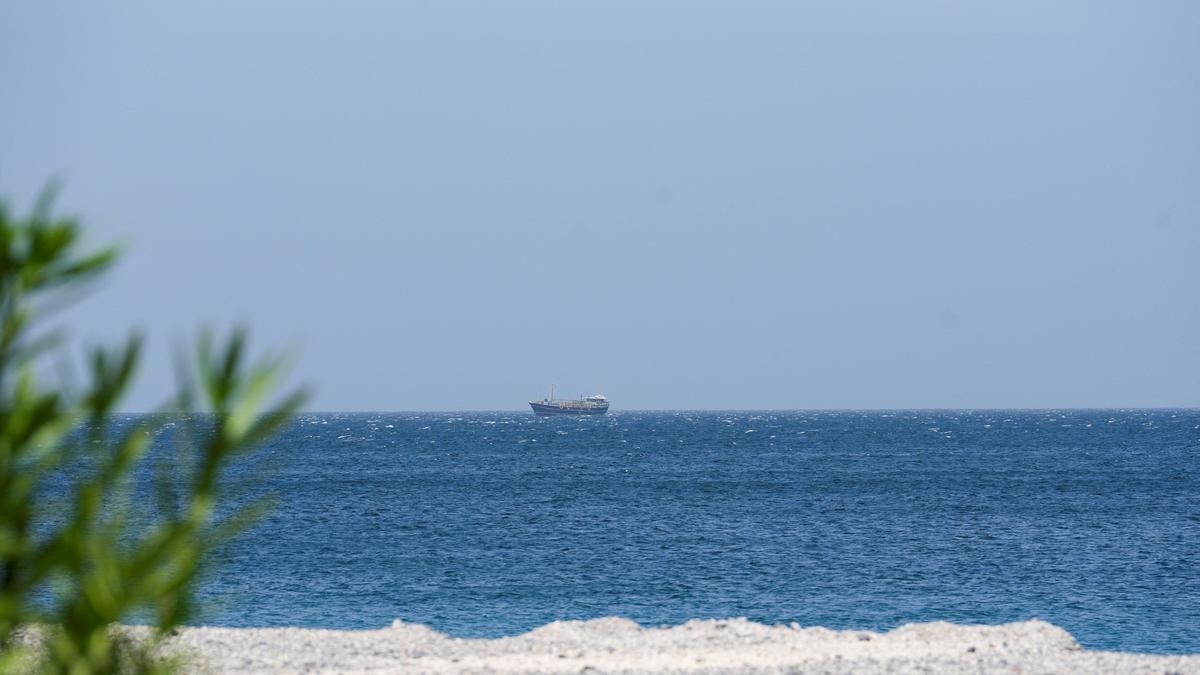
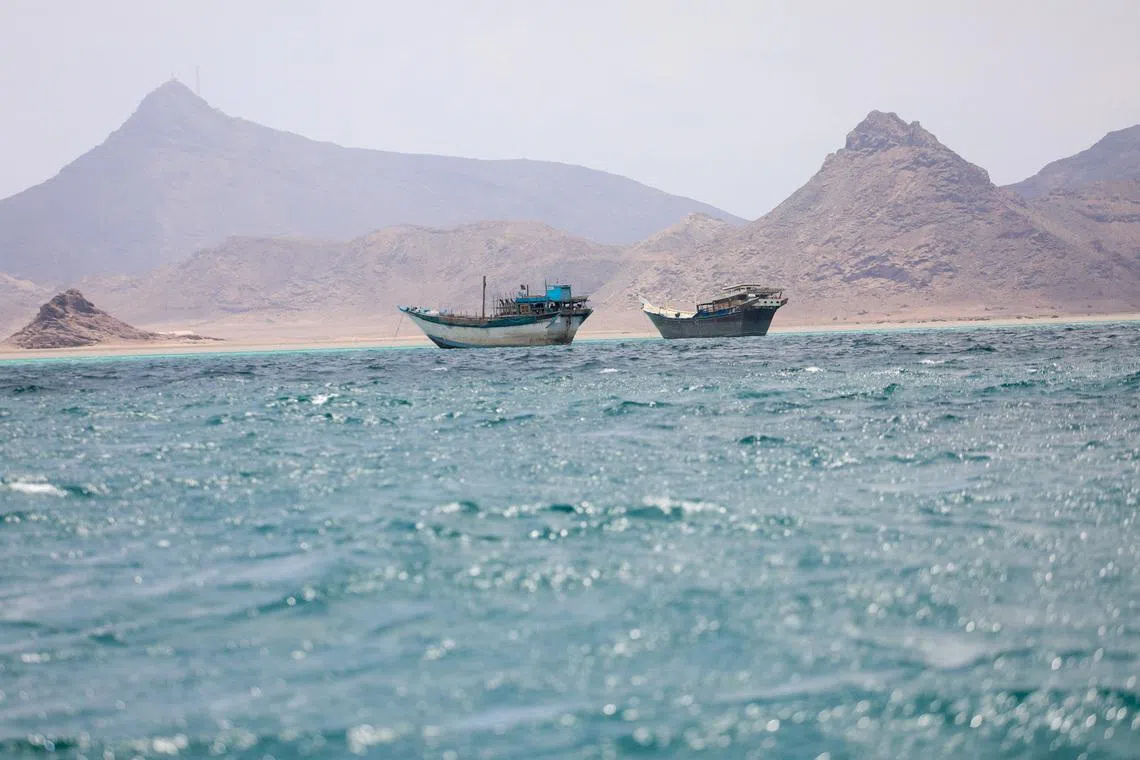
- Iran declared the strait reclosed this past weekend citing Israel's attacks on Lebanon, but the U.S. contested that and maritime data showed vessels continued to transit through the northern (Iranian) and southern (Omani) routes while the main central channel remains mined.
- President Trump suggested the U.S. could impose its own tolls on strait crossings if a final deal isn't reached within the 60-day negotiating window, while Iran has already created the Persian Gulf Strait Authority to collect fees and agreed only to suspend tolls during the interim period.
- Treasury Secretary Scott Bessent imposed sanctions on the Persian Gulf Strait Authority late last month, calling Tehran's toll push an attempt to "extort global maritime trade," and the administration's framework gives Iran authority to manage the strait and conduct demining within 30 days.
- U.S. Naval War College Professor James Kraska said collecting tolls would violate the UN Convention on the Law of the Sea's guarantee of unimpeded "transit passage," noting fees can only be applied at established ports of entry or for services specifically requested by a ship.
- Neither the U.S. nor Iran has ratified the Convention on the Law of the Sea, though both belong to the International Maritime Organization — a legal gap that analysts say leaves the interim deal's silence on tolls beyond 60 days especially fraught for shipping insurers.
- Intertanko's Philip Belcher said the initial agreement put "almost all the power" in Iran's hands on the strait's future administration, and analysts warned that even a final deal could take months to restore prewar commodity flows.
Why it matters: The 60-day ceasefire now hinges on a legal standoff neither side can cleanly win: both U.S. and Iranian toll proposals would breach UN maritime law, yet neither country has ratified the relevant treaty. Intertanko's Philip Belcher said the interim framework handed "almost all the power" to Iran over the strait's future administration, meaning the next six weeks of talks will determine whether 20% of global oil flows resume on free-transit terms or get locked into a precedent-setting toll regime.
Ask SkimNews