Cambridge Study: 39 Sweeteners Disrupted Gut Bacteria Growth — SkimNews
Get the Health newsletter
Daily health & science — research, biotech, public health, the studies worth knowing. Free.
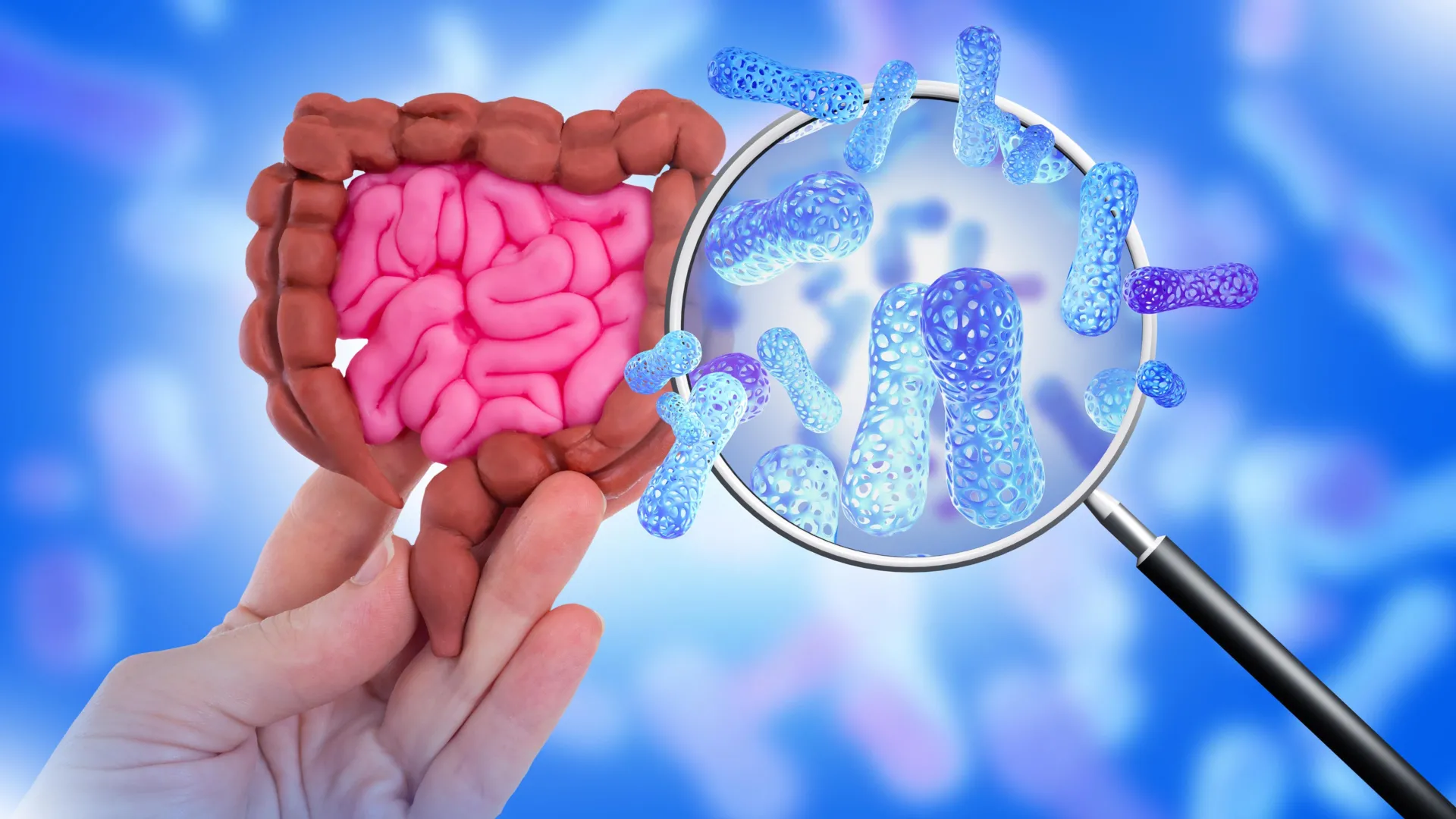
- University of Cambridge researchers exposed 25 gut bacterial species to 39 commercially used sweeteners in the lab and found roughly three-quarters affected the growth of at least one species, several halting beneficial bacteria entirely.
- Scientists identified over 100 cases where a sweetener's effect on bacteria changed when combined with caffeine, vanillin, advantame, or eight common drugs — stronger in 34 cases and weaker in 68.
- The pairing of the food-industry sweetener isosteviol with the antidepressant duloxetine most sharply suppressed Roseburia intestinalis and Parabacteroides merdae, species linked to digestive health and metabolic regulation.
- In a simplified 25-species microbial community, the isosteviol–duloxetine combination reduced overall diversity, allowed some species to flourish while others declined, and showed increased toxicity toward certain host cells.
- Duloxetine, prescribed to over 4.2 million US patients in 2023, is widely taken alongside foods and drinks that may contain sweeteners like isosteviol, the researchers noted.
- The study, published in Molecular Systems Biology, was funded by the EU's Horizon 2020 program and the UK Medical Research Council, with researchers stressing the findings come from lab models and require human confirmation.
Why it matters: With duloxetine alone prescribed to 4.2 million US patients in 2023, even a modest gut-level interaction between a common antidepressant and an everyday sweetener could affect millions who consume both without realizing it. The lab results don't yet prove real-world harm, but they shift sweeteners from 'metabolically neutral' to a class of compounds whose effects depend heavily on what else is on the plate or in the medicine cabinet.
Ask SkimNews