Sugar-Coated Nanoparticles Boost Glioblastoma Survival 50% in Mice — SkimNews
SkimNews Take
The mannose sugar functions less as a treatment itself than as a delivery vehicle, suggesting this BBB-crossing platform could be loaded with varied mRNA cargoes for other neurological targets.
Get the Health newsletter
Daily health & science — research, biotech, public health, the studies worth knowing. Free.
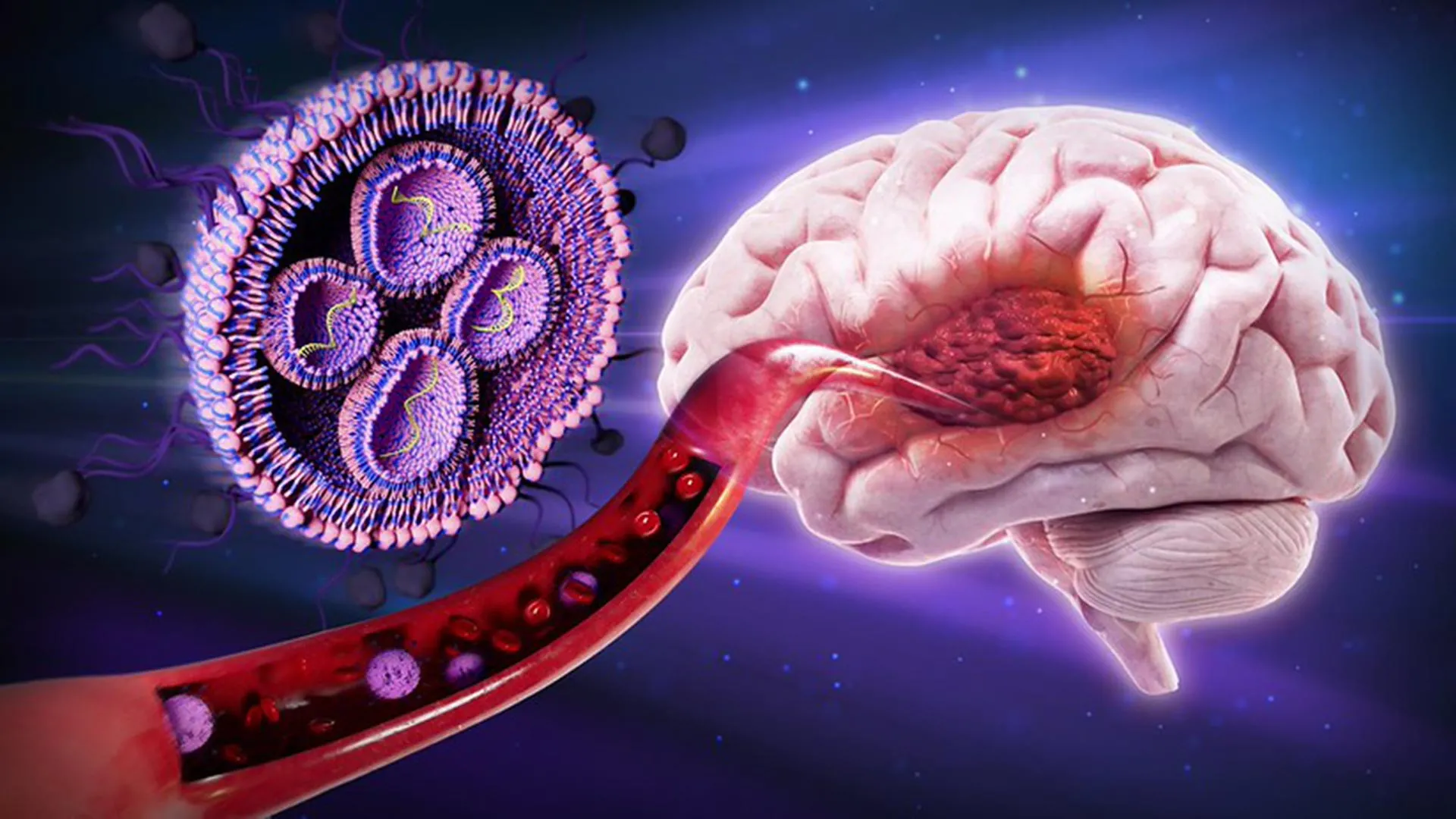
- Oregon State University researchers built mannose-coated lipid nanoparticles that hijack GLUT1 glucose transporters to cross the blood-brain barrier, improving surface coverage sixfold by chemically linking mannose to cholesterol.
- The nanoparticles carried mRNA designed to restore PTEN, a tumor-suppressor frequently missing in glioblastoma cells, with a positively charged cholesterol derivative keeping the genetic payload from degrading en route.
- In mouse studies, the therapy increased median survival by 50% and shrank tumors across repeated dosing without measurable organ toxicity.
- Glioblastoma cells express GLUT1 at three times the level of normal brain tissue, so the sugar-coated particles preferentially accumulate in tumor tissue after crossing into the brain.
- Fewer than 30% of glioblastoma patients survive two years post-diagnosis, and more than 95% die within five years, underscoring the stakes the OSU team is targeting.
- Findings were published in the Journal of Controlled Release, with funding from the National Cancer Institute, the NICHD, and the National Research Foundation of Korea.
Why it matters: For a cancer that kills more than 95% of patients within five years, a 50% median survival bump in mice — delivered without measurable organ toxicity — is one of the few glioblastoma approaches to simultaneously breach the blood-brain barrier and reactivate a silenced tumor suppressor. The mannose-cholesterol surface chemistry is what makes brain delivery tractable at all.
Ask SkimNews