White House Invites Foreign Shipyards to Build U.S. Warships — SkimNews
Get the Geopolitics newsletter
Daily geopolitics — wars, elections, sanctions, the diplomatic moves that move markets. Free.
- The White House issued a Presidential Memorandum titled "Rebuilding the United States Navy and America's Shipbuilding Industrial Base" opening U.S. Navy surface combatant contracts to allied international shipbuilders — marking the first time in modern history that frontline U.S. warships would be built in foreign yards.
- Under the Finland Model — pioneered during joint U.S.-Finnish icebreaker procurement — international shipyards manufacture the first hulls overseas, then foreign contractors must acquire majority stakes or establish new shipbuilders in the U.S., transfer proprietary technology, and shift all follow-on construction to American soil.
- The memorandum directs the Secretary of War, in consultation with the Secretary of the Navy, to deliver a comprehensive acquisition plan within 90 days for a new competitive program targeting light surface combatants optimized for anti-submarine warfare, anti-surface warfare, and convoy escort duties.
- The order bans naval authorities from imposing iterative custom design alterations on chosen platforms without explicit executive oversight — a practice blamed for past procurement delays and budget overruns.
- The international procurement framework also extends to strategic auxiliary platforms, including Consolidated Cargo Replenishment at Sea (CONSOL) tankers and Roll-On/Roll-Off (Ro-Ro) military sealift vessels.
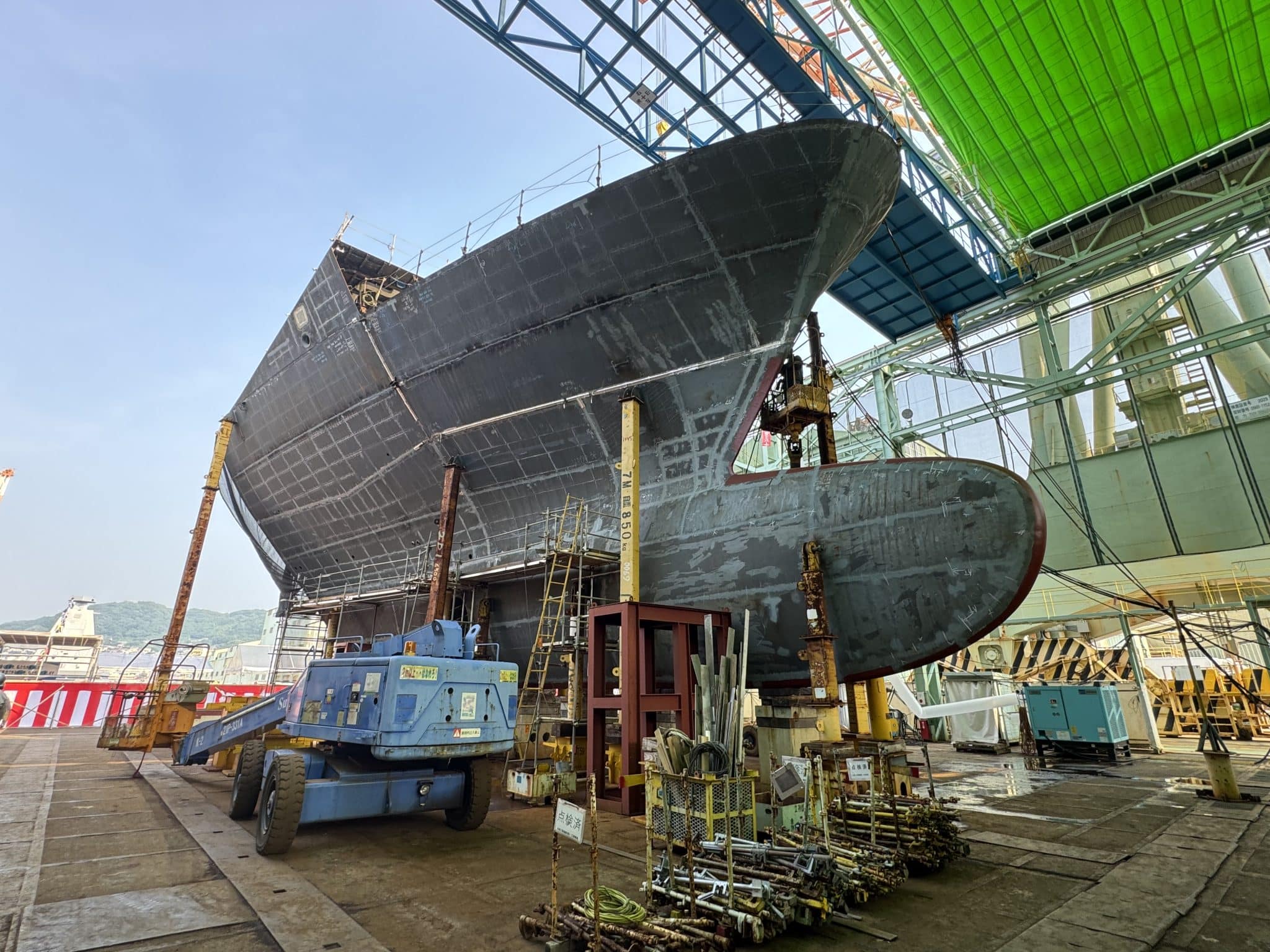
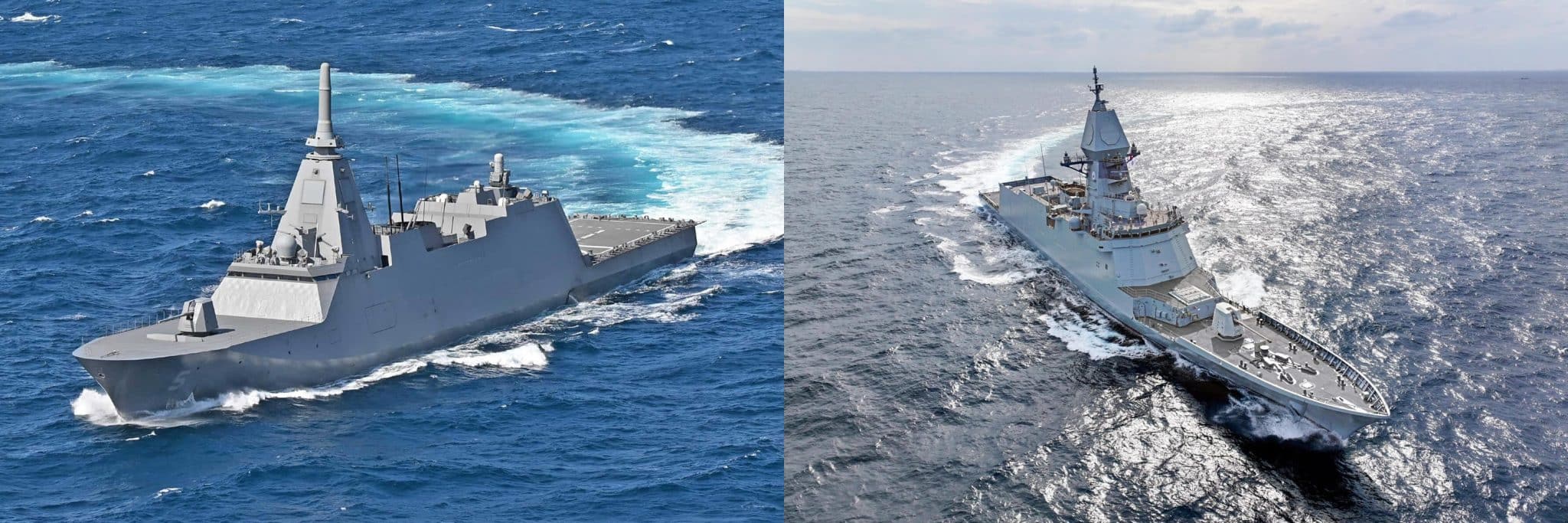
- Allied warship designs — particularly proven frigates and corvette-sized escorts built in Europe and Asia — are positioned to figure heavily in upcoming industry bids during the 90-day window.
Why it matters: Allied defense contractors from Europe and Asia now have a 90-day window to bid proven frigate and corvette designs for a new U.S. Navy light surface combatant program — the first time frontline U.S. warships would be built overseas. Foreign builders gain market access, but the deal requires technology transfer and domestic investment, prioritizing fleet readiness over decades of buy-American protectionism.
Ask SkimNews