World Hedges as U.S.-Israeli Iran War Enters Third Week — SkimNews
Get SkimNews daily
A curated daily digest across 7 categories: geopolitics, tech, finance, health, energy, sports, culture. Free.
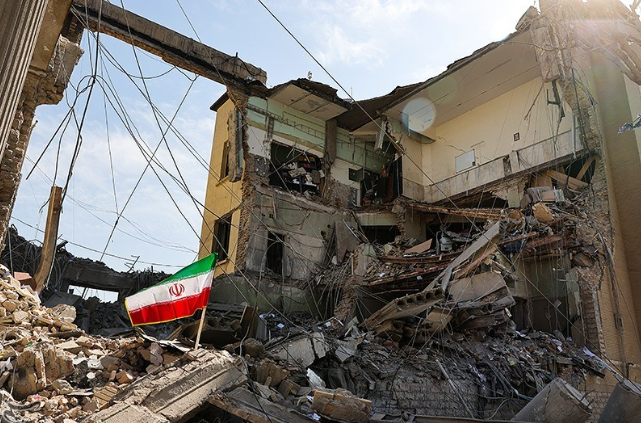
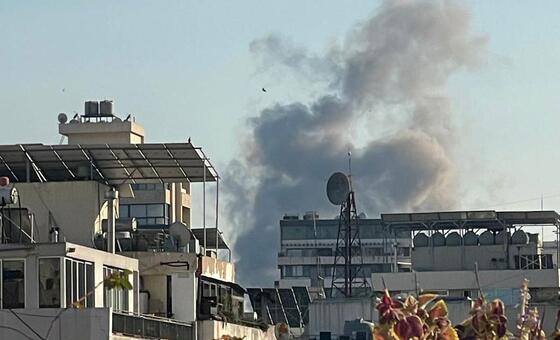
- The U.S. and Israel began striking Iran on 28 February 2026, and the war has now entered its third week, with Iran effectively closing the Strait of Hormuz and halting oil, gas, and fertilizer exports via the Gulf.
- Most governments worldwide have hedged in their early responses — calling for an end to the war and protection of their citizens but avoiding public reproval of the U.S. and Israel, fearing retaliation from the Trump administration.
- A record 135 UN members co-sponsored an 11 March Security Council resolution condemning Iran's strikes on Gulf territory, but the text notably omitted any reference to the U.S. and Israel.
- Spain, Norway, and Türkiye were prominent exceptions willing to confront the Trump administration on the legality of the campaign, which the source says is widely seen as violating UN Charter prohibitions on the use of force.
- China and Russia, despite close ties with Tehran, have tempered their support — China prioritizing its upcoming March summit with President Trump, while Russia is benefiting from the energy price spike and a temporary relaxation of U.S. sanctions on Russian oil.
- Tehran's neighbors face acute concerns about refugee flows and spillover fighting, while majority-Muslim countries face particular challenges from public frustration with the war's economic dislocation.
Why it matters: The diplomatic cowardice is the story: 135 UN members condemned Iran but could not bring themselves to reference the U.S. and Israel as the war's instigators. Even China and Russia — Iran's closest partners — are hedging, with Moscow quietly profiting from the energy spike and a temporary relaxation of U.S. sanctions on Russian oil sales.
Ask SkimNews