Most EV Load Goes Unmanaged — and Utilities Can't See — SkimNews
Get the Energy newsletter
Daily energy & climate — solar, EVs, oil, the policy fights and tech bets shaping the transition. Free.
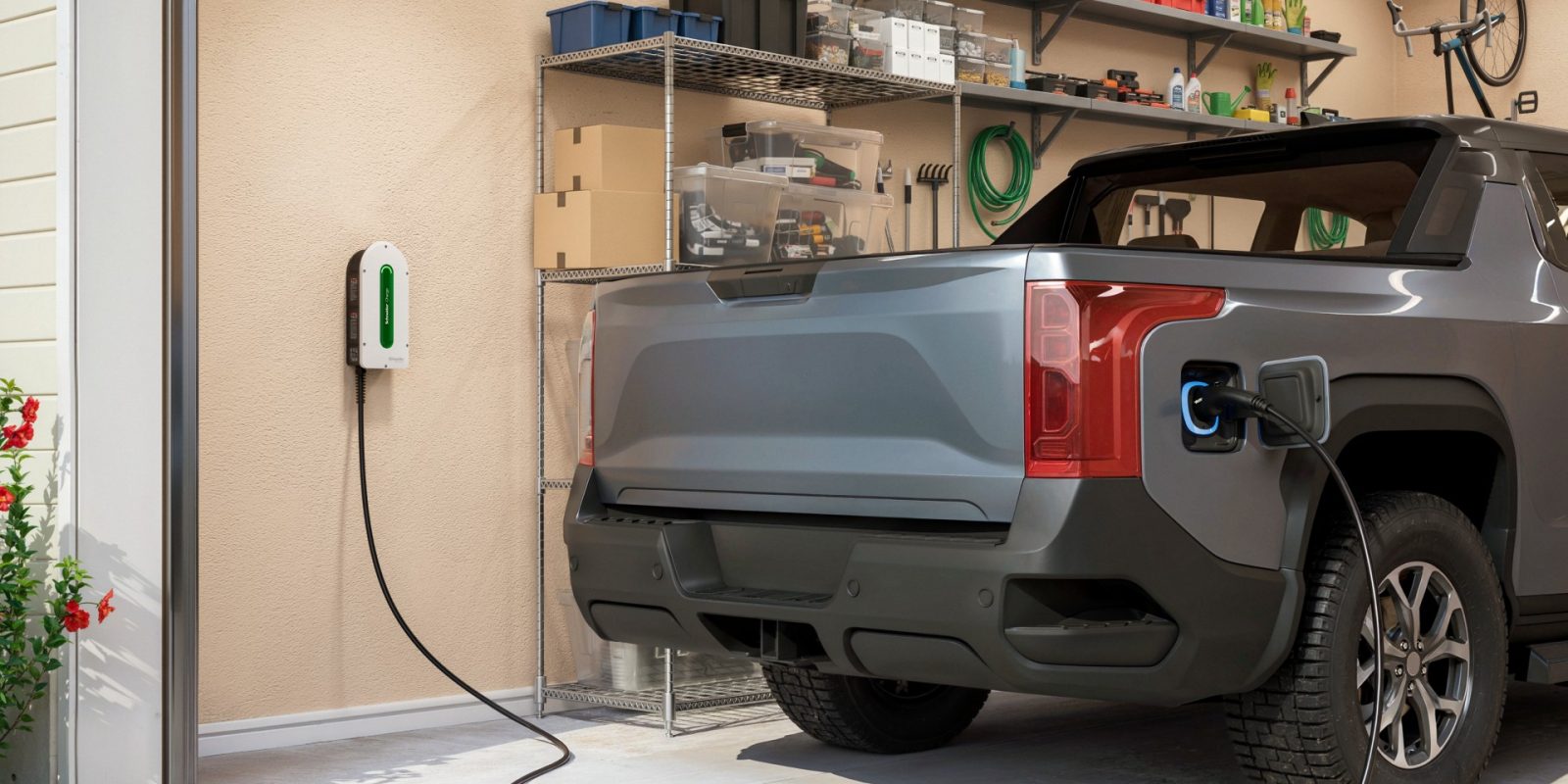
- Level 2 home EV chargers pull more than 6 kW — roughly the peak demand of an entire house — and typically switch on in the early evening when distribution systems are most stressed.
- Time-of-use rates can shift 60–70% of EV charging to off-peak hours, and managed charging can shift more than 90%, but voluntary enrollment is the bottleneck the source identifies.
- A 2026 NBER managed-charging experiment at a Bay Area utility with one of the nation's highest EV adoption rates saw fewer than 5% of EV households enroll even when paid $40 per month.
- The Smart Electric Power Alliance reports that where residential TOU rates exist at all, opt-in adoption rarely tops 10%, meaning most utilities actively manage EV load in the single digits.
- NewGen's GridLens™ uses convolutional neural networks to read ordinary AMI consumption data, producing a probabilistic map of where EVs charge that a utility can generate in minutes from data it already owns.
- The same AMI dataset that was sold as the foundation of a 'smarter grid' can surface other end uses hiding in the data, the source argues, not just EV charging.
Why it matters: Managed-charging and TOU programs depend on opt-in from a small slice of customers — 5% in the NBER Bay Area study, under 10% for TOU per SEPA — so utilities plan around a fraction of the EV load actually on their wires. AMI-based detection gives them an evidence base drawn from data they already collect, and the same approach generalizes to other hidden end uses.
Ask SkimNews