Meta Smart Glasses Privacy Woes Fuel California Bill — SkimNews

Get the Tech newsletter
Daily tech — startups, AI labs, chips, the launches that shape the next decade. Free.
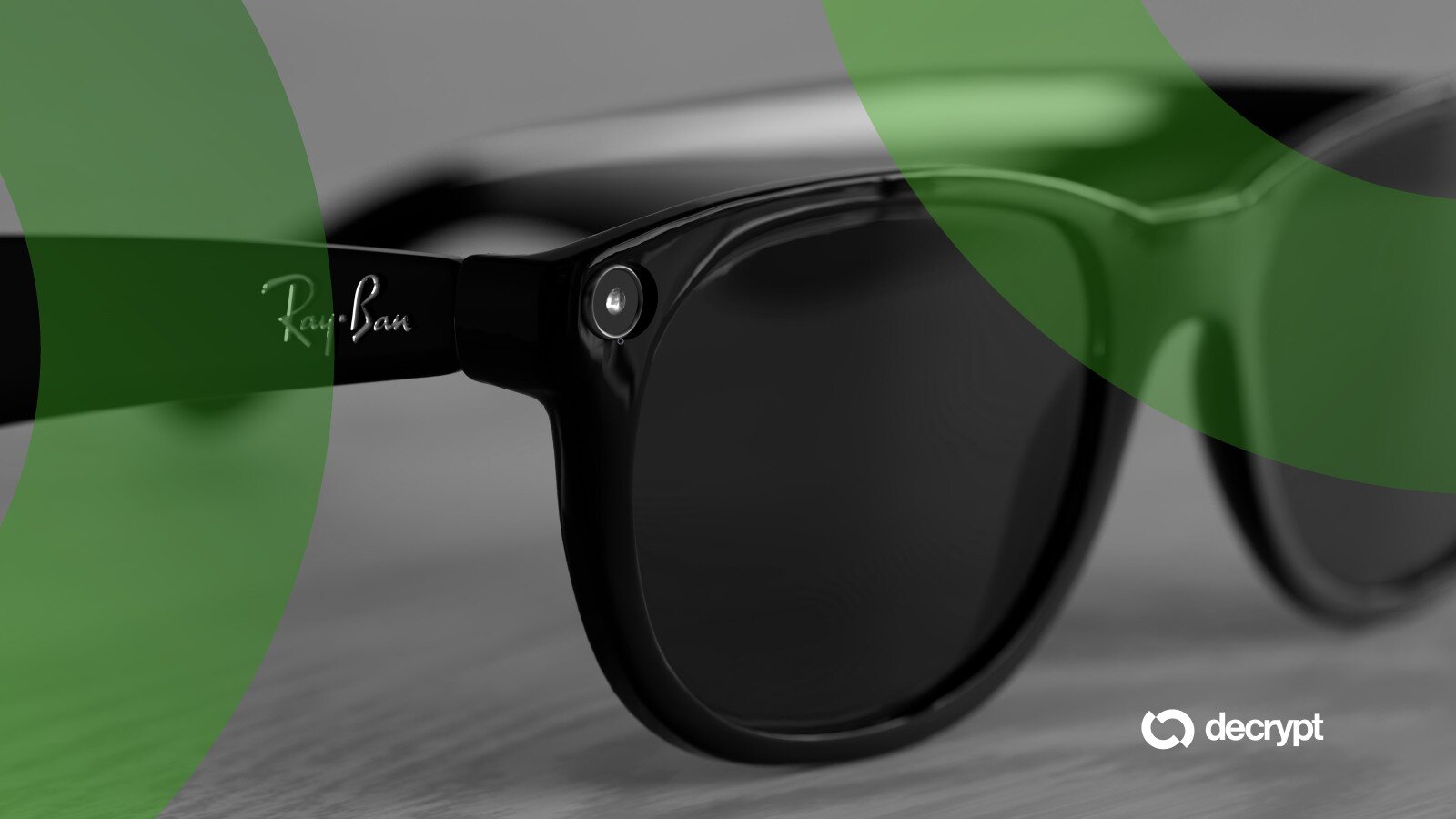
- Meta's smart glasses include an indicator light meant to warn bystanders of recording, but some users have bypassed it, prompting Meta to add anti-tamper features that disable the glasses if tampered with.
- Meta earlier this year programmed a face-recognition feature called Name Tag into its smart glasses; after a WIRED report exposed it, the company deleted the code, and CTO Andrew Bosworth verified the feature's existence on The Atlantic's podcast The Most Interesting Thing in AI.
- Google and Samsung are entering the smart glasses market later this year, and Apple is reportedly working on glasses for 2027 but has delayed production to address privacy concerns; Meta also said in June it is considering adding camera-free models to its lineup.
- Despite privacy debates, Meta has sold tens of millions of smart glasses and sales are growing, while smaller brands like Even Realities are making camera-free models and Solos sells frames with a pop-on privacy shield over the camera lenses.
- Consumer Reports policy fellow Stacey Higginbotham and director of technology policy Justin Brookman are advocating for California legislation that would require visible recording indicators on smart glasses and prohibit users from disabling them.
- IDC consumer devices research director Jitesh Ubrani said it is "not really possible" to create smart glasses that are both truly private and appealing to wear, since users reject obvious camera designs—the same ridicule that greeted 2013's Google Glass headsets.
Why it matters: A California law requiring non-bypassable recording indicators would directly address the main abuse vector of Meta's glasses—users covering the indicator light—and could become a national template, forcing every entrant from Google, Samsung, and Apple to redesign hardware before launch. Smaller brands already betting on camera-free designs or physical lens shutters would gain a market advantage if indicator-bypass is criminalized.
Ask SkimNews