Nasdaq Drops 5%+ Into Correction on Data-Center Fears — SkimNews

Get the Finance newsletter
Daily finance — markets, central banks, M&A, the prints that move money. Free.
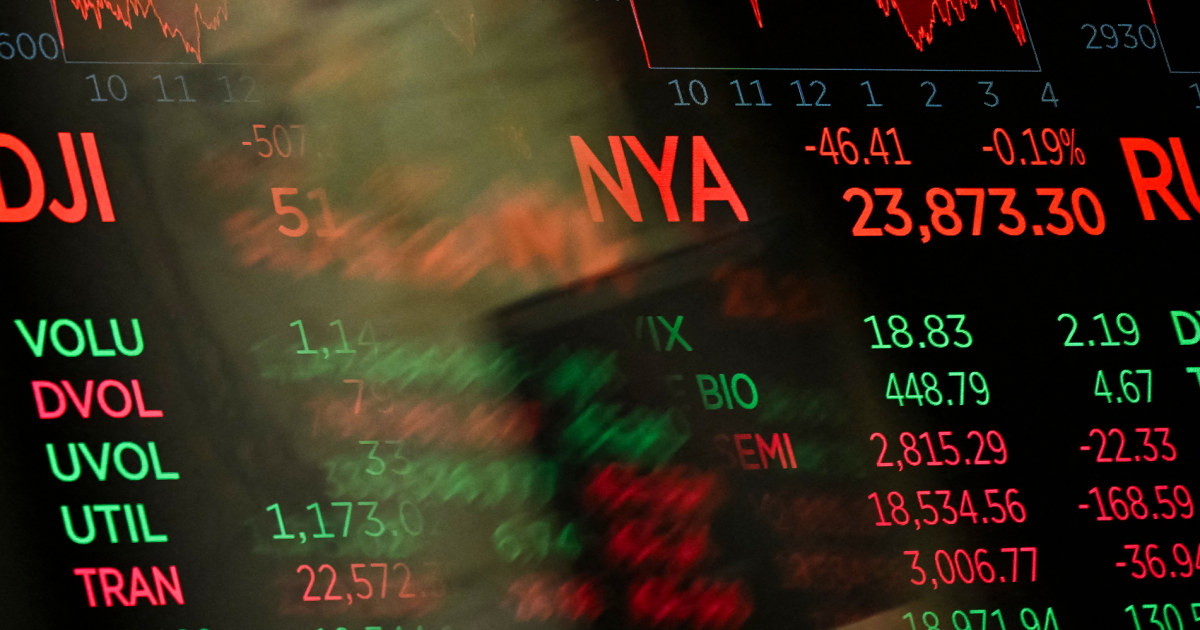
- Nasdaq Composite slid more than 5% Thursday and closed more than 11% below the record reached last month, crossing Wall Street’s 10% correction threshold; a 20% decline would mark a bear market.
- Past Nasdaq corrections over the last decade were followed by further rough selling over the next month in the 2025, 2022, 2020 and 2018 episodes, but the index averaged a 9.41% gain from the correction bottom over three months and 17.03% over six months.
- The January 2022 correction was the lone exception to the six-month recovery pattern: the Nasdaq lost another 18.3% over the following six months and was still down 24.3% a year later.
- Democrats swept the House and Senate in Tuesday’s midterm elections, and the sweep was identified as the catalyst for the Nasdaq’s correction.
- Gina Hinojosa won the Texas governor’s race after campaigning for an immediate moratorium on data-center development, while investors weighed the effect of tighter state restrictions on construction and companies tied to the AI trade.
- Frank Cappelleri, founder of CappThesis, said his review of 13 midterm cycles since 1974 points to more near-term volatility, with the Nasdaq higher 12 months after the election in all but one; in 2018, a day-after rally gave way to a sharp December sell-off before a roughly 15% one-year gain.
- SOXX, the iShares Semiconductor ETF, fell 12% Thursday, recording its worst day since the Covid-19 breakout in March 2020.
Why it matters: Semiconductor holdings bore the sharpest stated one-day loss: SOXX dropped 12%, its worst day since March 2020, as data-center policy questions weighed on the AI trade. The Nasdaq’s historical 9.41% three-month rebound offers context, but January 2022 shows the downside persisted: another 18.3% over six months and a 24.3% decline after a year.
Ask SkimNews