Ecological Grief Has No Rituals — That Has to Change — SkimNews
Get the Energy newsletter
Daily energy & climate — solar, EVs, oil, the policy fights and tech bets shaping the transition. Free.
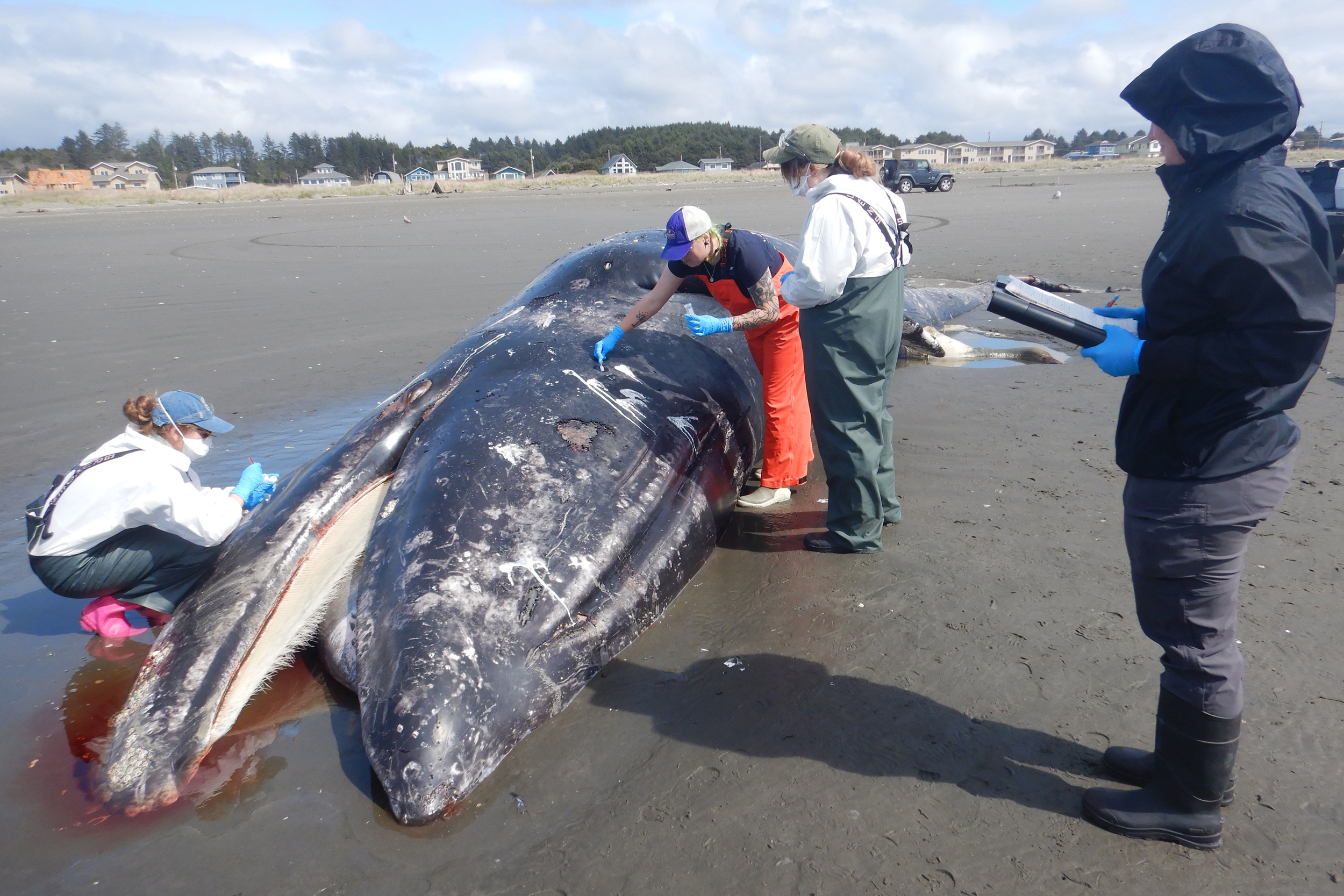
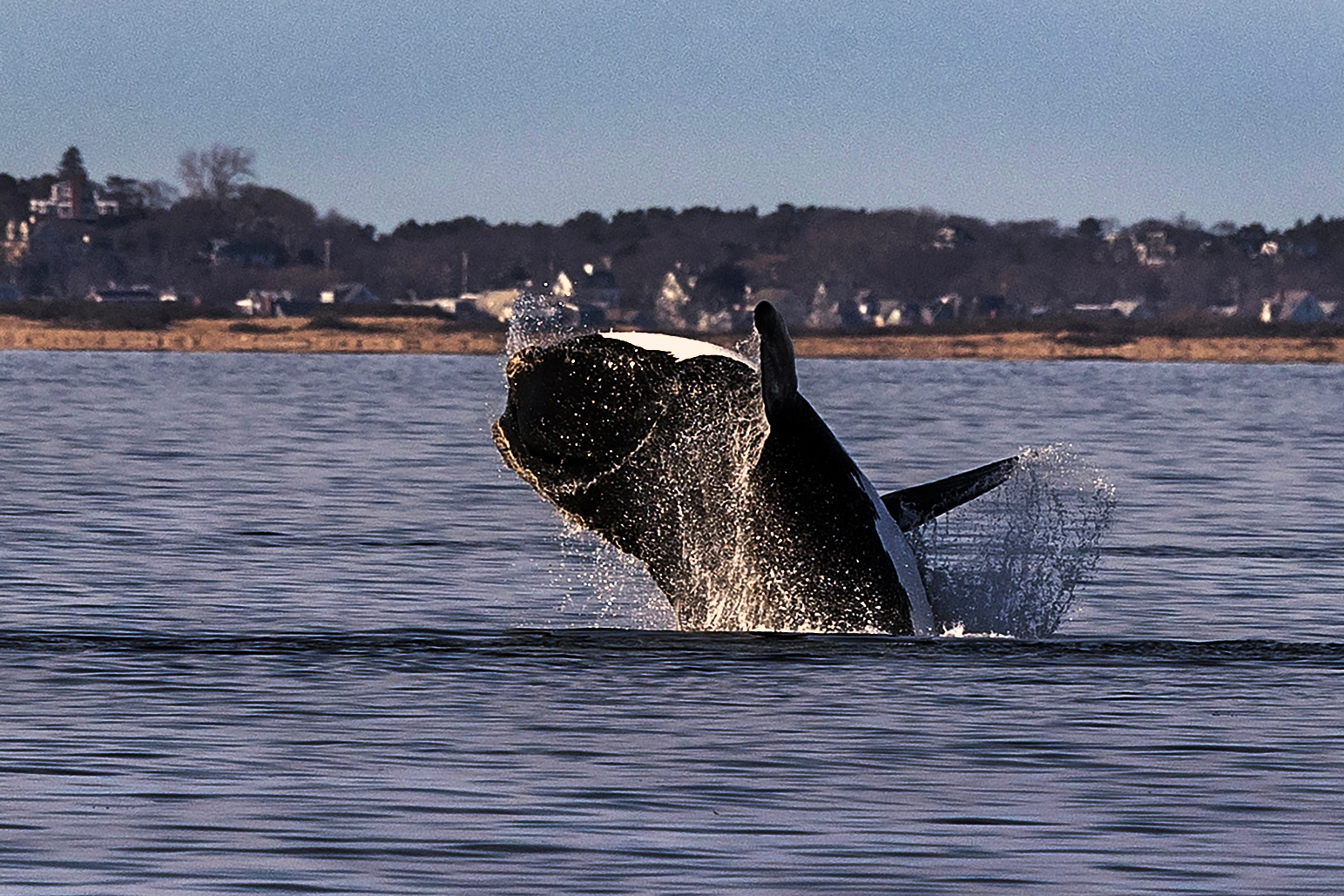
- North Atlantic right whales number fewer than 400, and scientists who spend years studying them inevitably form emotional attachments to individual animals, as one expert did to a female whale that had lost two calves.
- A heron rookery outside Manchester, Vermont that the author drove past for nearly two decades has dwindled to a single great blue heron this spring, with no public acknowledgment of the loss.
- Creative writing students are increasingly producing pieces about environmental degradation — one described embers from a California wildfire drifting onto brunch, another waded through a flooded Thai market after an unusually severe monsoon — signaling what the author calls moral injury.
- Richard Flanagan published an obituary for the Great Barrier Reef in 2016 after a mass coral bleaching event, treating it as something beloved and irreplaceable and offering readers 'permission to mourn' that science alone could not.
- Iceland held a ceremony in 2019 for Okjökull, the country's first glacier formally declared lost to climate change, installing a plaque that read 'We know what is happening and what needs to be done.'
- Great blue herons are indicator species, so their disappearance signals deeper disruptions in water quality, habitat integrity, food webs and biodiversity — first habitat destruction, then species loss, then diminishment of an entire living community.
- The author argues current cultural practices do not match the magnitude of environmental losses and calls for monuments, ceremonies, obituaries and even legislation to give ecological grief a public, collective outlet.
Why it matters: The essay reframes ecological loss as an emotional and spiritual crisis, not just a scientific one — making the case that without public rituals of mourning, communities absorb environmental decline in silence while ecosystems degrade further. The author cites concrete precedents (Flanagan's reef obituary, Iceland's glacier plaque) showing that formal acknowledgment is already possible, though culturally rare.
Ask SkimNews