Typhoon Bavi Kills 15 in Philippines, Targets Taiwan — SkimNews
Get the Energy newsletter
Daily energy & climate — solar, EVs, oil, the policy fights and tech bets shaping the transition. Free.
- Typhoon Bavi triggered landslides on the Philippine island of Mindanao that killed at least 15 people, with rescuers still searching overnight for families buried by the slides
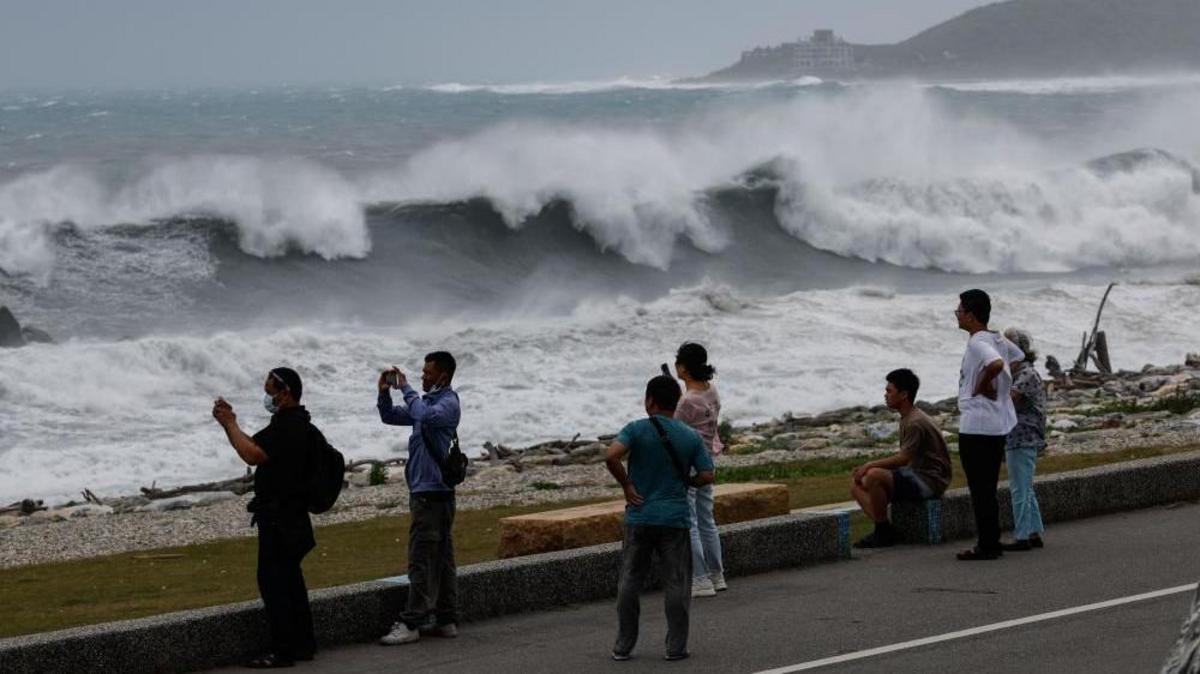
- Bavi, spanning roughly 1,000km across the Pacific, is set to be the largest storm by size to hit Taiwan since 1987, with authorities warning it could dump up to 1m (39 inches) of rainfall on the island's north and east
- Taiwan's defence ministry has placed 29,000 soldiers on standby for relief, with schools suspending classes and supermarket shelves wiped clean as farmers rushed to harvest crops and fishermen secured vessels
- Japan Airlines cancelled more than 100 flights for Friday and Saturday while All Nippon Airways grounded more than 160 flights through Sunday, disrupting nearly 40,000 passengers combined, including on routes to remote Sakishima Islands where residents taped windows and draped windproof nets
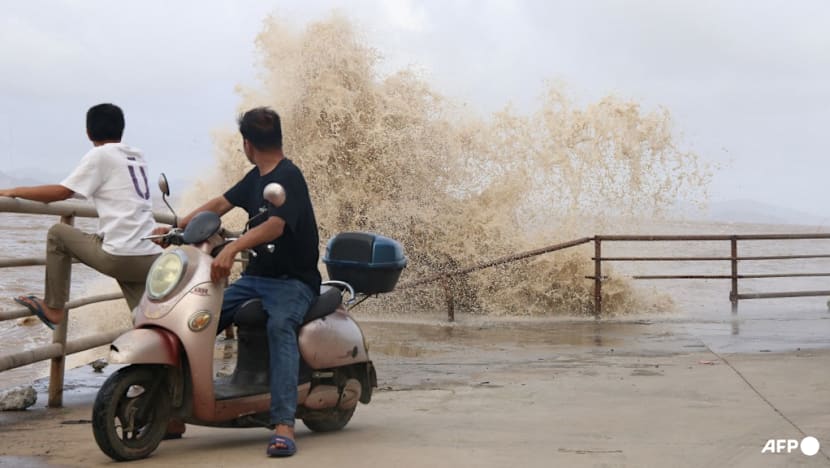
- China has warned of 'significant impact' from the storm, expected to slam into southeastern Fujian province before possibly making landfall twice; China's Institute of Public and Environmental Affairs director Ma Jun cautioned that northern provinces like Jiangsu, Anhui, and the Bohai Sea region have 'less experience' dealing with typhoons and should 'strengthen preparations'
- Typhoon Maysak, which struck southern China days earlier, left at least 39 people dead, displaced more than 130,000 people (mostly in Guangxi region), killed large swathes of livestock, and spawned two rare tornadoes in Hubei province
- Thai Airways and Malaysia Airlines grounded flights to and from Taipei as part of the regional flight cancellations ahead of Bavi's arrival
Why it matters: Northern Chinese provinces unaccustomed to typhoons face the storm's outer rainbands after a likely Fujian landfall, while Taiwan pre-positions 29,000 soldiers — a scale of response shaped by the reality that Typhoon Maysak killed 39 in the same region just days earlier, leaving rescue capacity and agricultural recovery still stretched thin.
Ask SkimNews