Alan Greenspan, architect of the modern American economy, dies aged 100 — SkimNews
Get the Finance newsletter
Daily finance — markets, central banks, M&A, the prints that move money. Free.
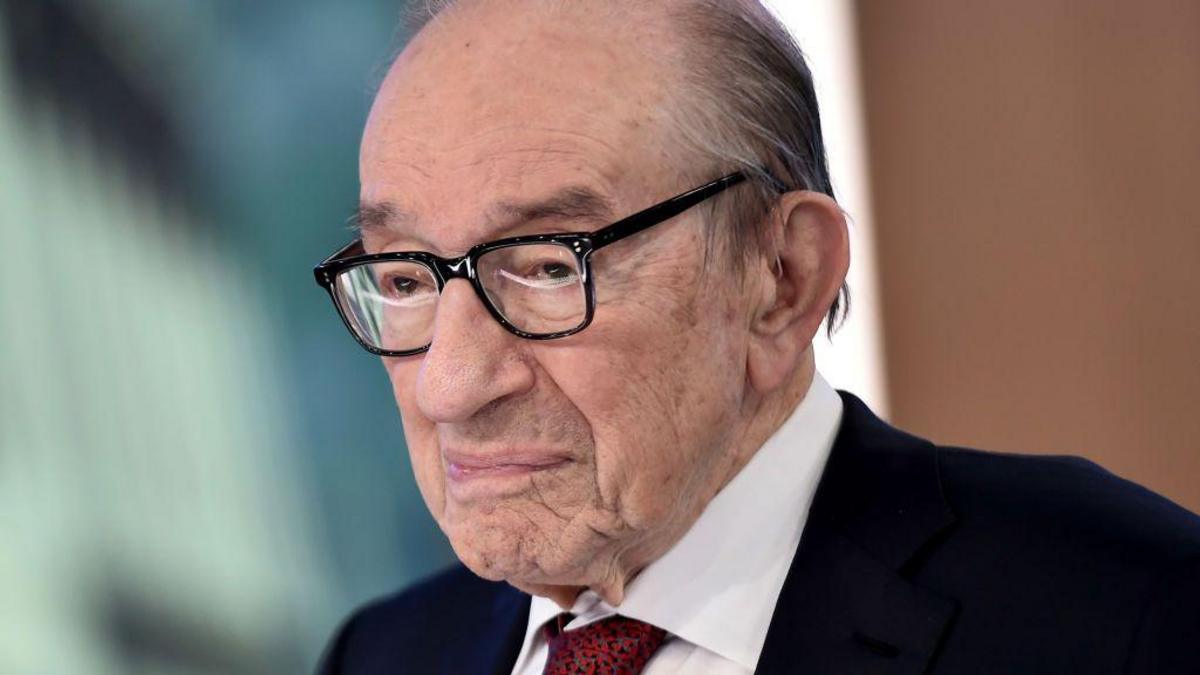
- Alan Greenspan served as Federal Reserve Chairman from 1987 to 2006 across an unprecedented five terms, guiding US monetary policy under presidents of both parties and earning the moniker 'God in the machine' of American finance.
- Greenspan died at age 100 from complications of Parkinson's Disease, as confirmed by his wife, NBC correspondent Andrea Mitchell, to whom he was married since 1997.
- Critics including Nobel laureate Paul Krugman blamed Greenspan's low interest rate policies for fueling the dot-com bubble of the late 1990s and the sub-prime mortgage crisis that triggered the worst global economic downturn since the Great Depression.
- In October 2008, Greenspan testified to Congress that he had 'found a flaw' in his free-market, anti-regulation philosophy, admitting the financial industry had not self-regulated as he had believed.
- The Federal Reserve said Greenspan's legacy 'left a lasting mark' on the institution, noting he brought 'rigorous analytical discipline to monetary policymaking' and that his influence lives on through economists he mentored.
- Before economics, Greenspan was a trained clarinetist who studied at Juilliard and toured with jazz saxophonist Stan Getz in the Henry Jerome Band before enrolling as an economics student at NYU at age 19.
- Greenspan received the Presidential Medal of Freedom and an honorary knighthood from Queen Elizabeth II, and into his late 90s remained a vocal media pundit, criticizing Trump's first administration, Brexit, and Biden-era interest rate hikes.
- Other outlets including the Federal Reserve itself, the Financial Times, the Japan Times, and the Washington Post all led with variations on 'Greenspan dies at 100' — consensus framing focused on his status as the most influential central banker of the modern era.
Why it matters: Greenspan's 19-year tenure makes him the defining figure of modern US monetary policy, but his legacy is contested: the very low-interest-rate playbook he championed to manage crises from the 1987 crash to post-9/11 fallout is now widely seen as having planted the seeds of the 2008 financial collapse he later admitted he failed to foresee.
Ask SkimNews