Myanmar's Min Aung Hlaing Begins First China Visit — SkimNews

Get the Geopolitics newsletter
Daily geopolitics — wars, elections, sanctions, the diplomatic moves that move markets. Free.
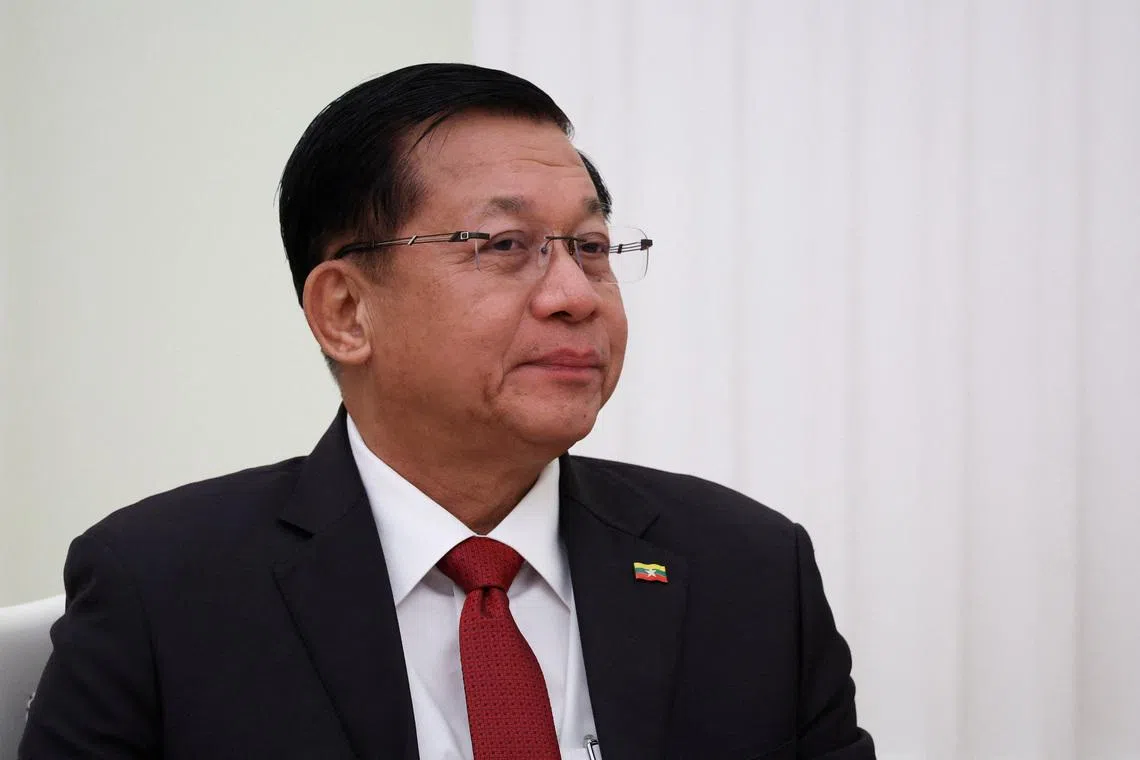
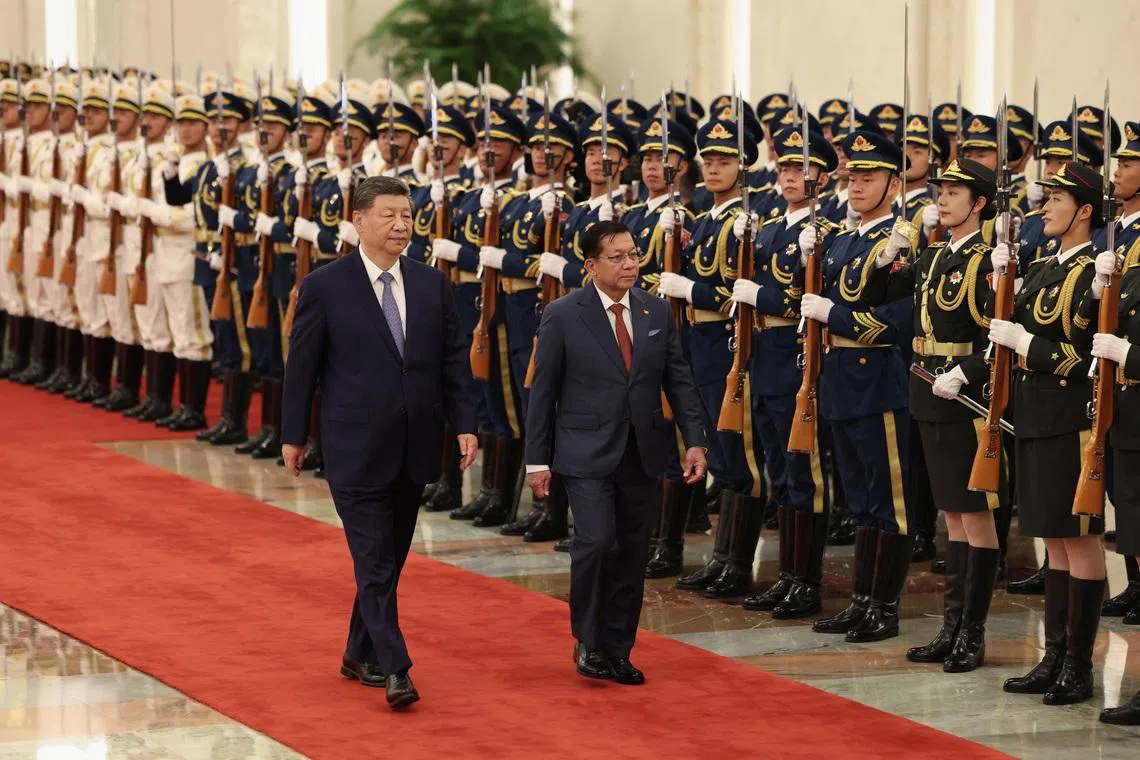
- Min Aung Hlaing arrived in Beijing for a five-day China visit — his first since being sworn in as Myanmar's president in April — and was greeted with full red-carpet ceremony, including Chinese and Myanmar children presenting bouquets and a motorcade to the Diaoyutai State Guesthouse.
- Min Aung Hlaing is set to hold talks with Xi Jinping, Premier Li Qiang, and Zhao Leji, chairman of the NPC Standing Committee; China's Foreign Ministry said it hopes to renew friendship and deepen "comprehensive strategic cooperation."
- The April election that elevated Min Aung Hlaing was widely criticized as a "ruse" to perpetuate military rule, boycotted by most opposition parties, dominated by the military's Union Solidarity and Development Party, and canceled in conflict-affected and resistance-controlled areas.
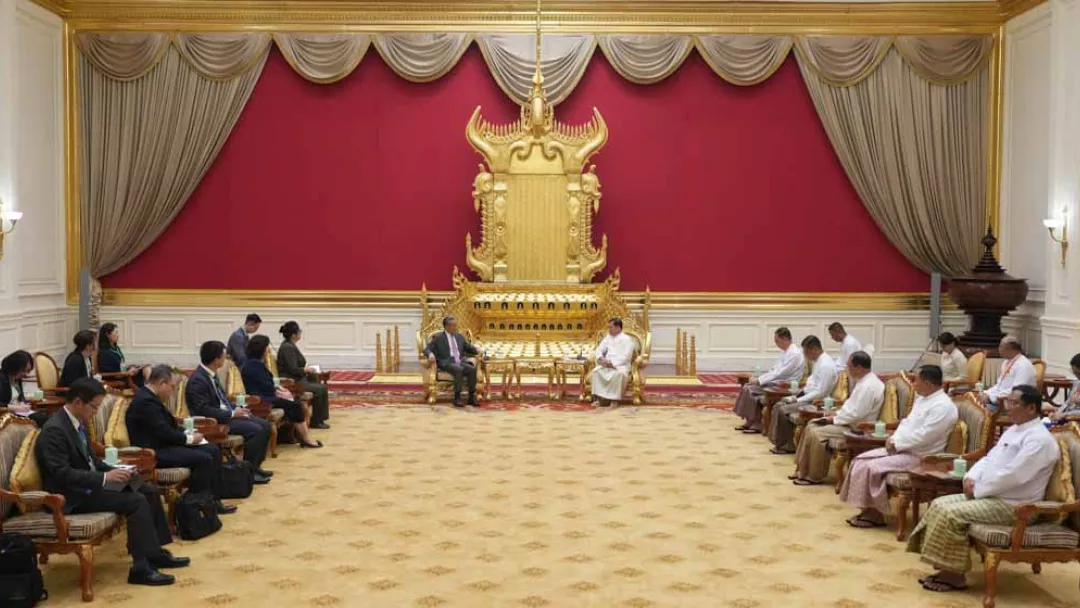
- Min Aung Hlaing made a five-day state visit to India late last month, meeting PM Narendra Modi and pledging cooperation in technology, energy, critical minerals, and cross-border infrastructure as part of a broader campaign to normalize relations with key regional partners.
- China is Myanmar's largest trade partner, with bilateral trade totaling approximately $19.4 billion in 2025, despite disruptions from ongoing conflicts in Shan State and along the China-Myanmar border.
- The trip follows Wang Yi's early-June meeting in Beijing with Myanmar counterpart Tin Maung Swe, during which Naypyidaw pledged to combat online gambling and telecom fraud and protect Chinese personnel and projects, including the China-Myanmar Economic Corridor linking Yunnan to the Andaman Sea.
- The visit draws additional scrutiny from the early-June arrest in Kunming of Min Zin, a Myanmar-born U.S. citizen and ISP-Myanmar co-founder, on suspicion of espionage and endangering China's national security; ISP-Myanmar has published detailed research on Chinese infrastructure investments in Myanmar.
Why it matters: Beijing's full state-honors reception for a leader installed through a widely criticized election confirms that China has fully embraced Myanmar's military government as its preferred partner for safeguarding strategic interests on its southwestern border, including the China-Myanmar Economic Corridor. With bilateral trade at roughly $19.4 billion in 2025 and Min Aung Hlaing now sequencing parallel outreach to India, the junta is locking in backing from both giant neighbors while opposition and ethnic resistance forces remain diplomatically sidelined.
Ask SkimNews