Xi Jinping Formally Backs Myanmar's Min Aung Hlaing — SkimNews
Get the Geopolitics newsletter
Daily geopolitics — wars, elections, sanctions, the diplomatic moves that move markets. Free.
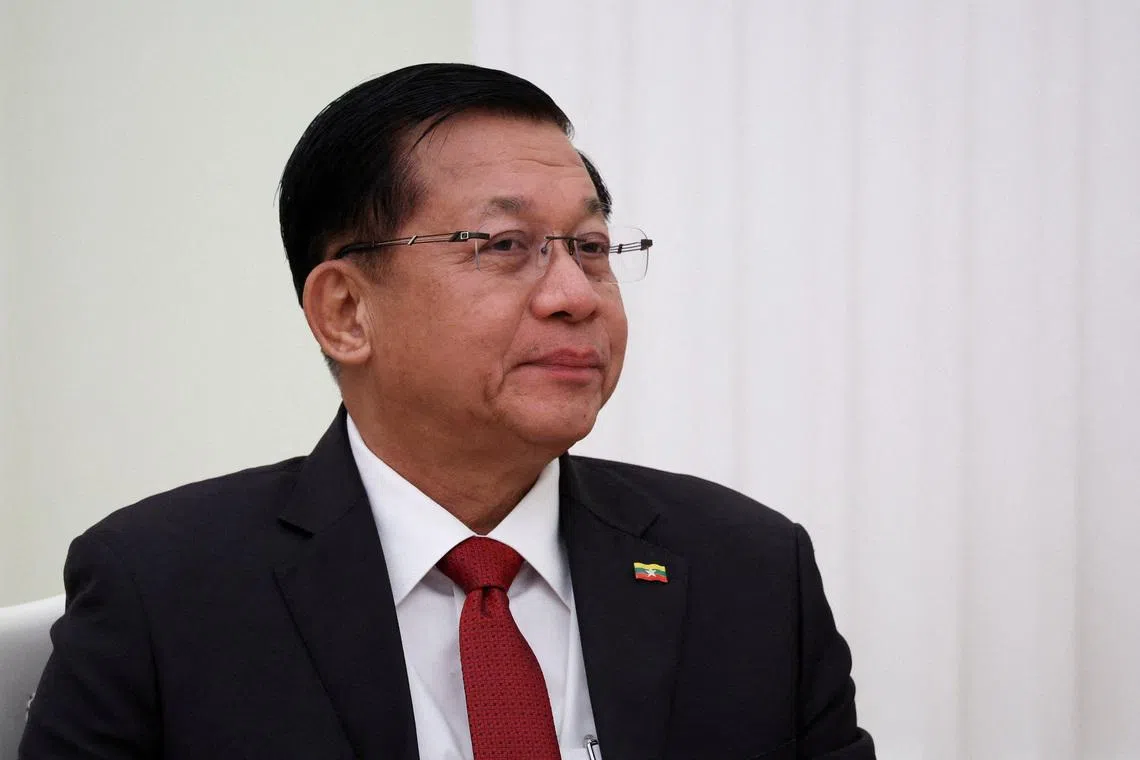
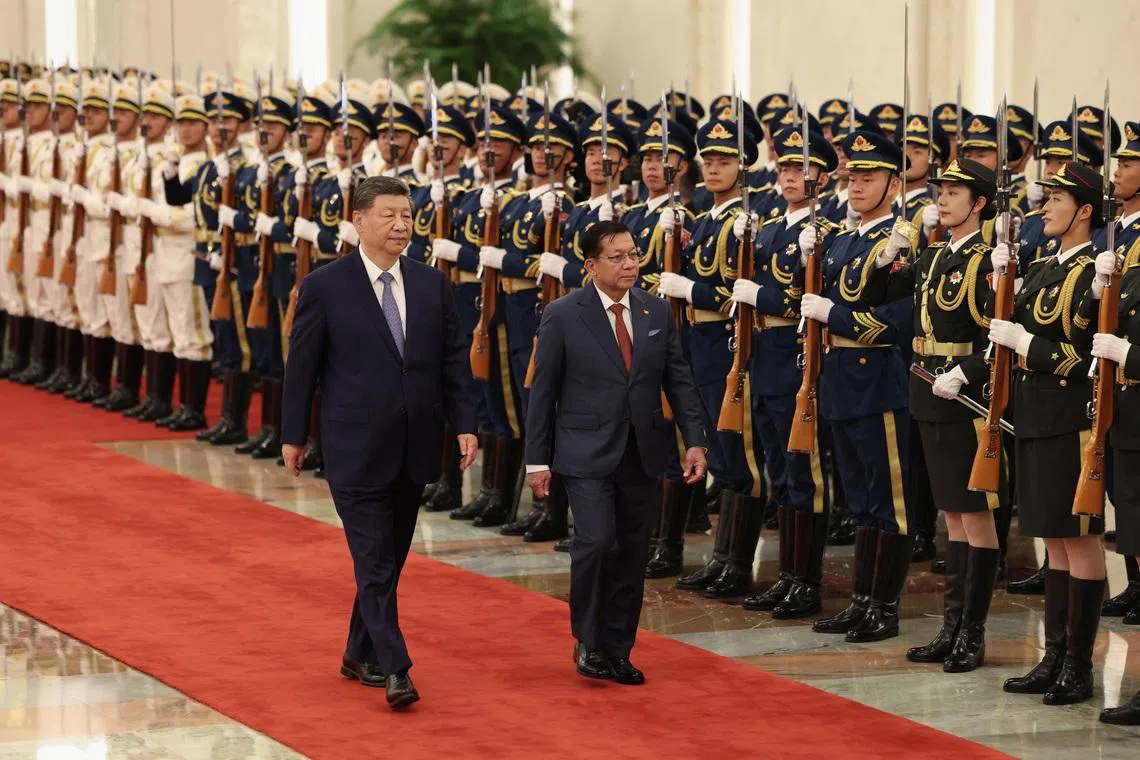
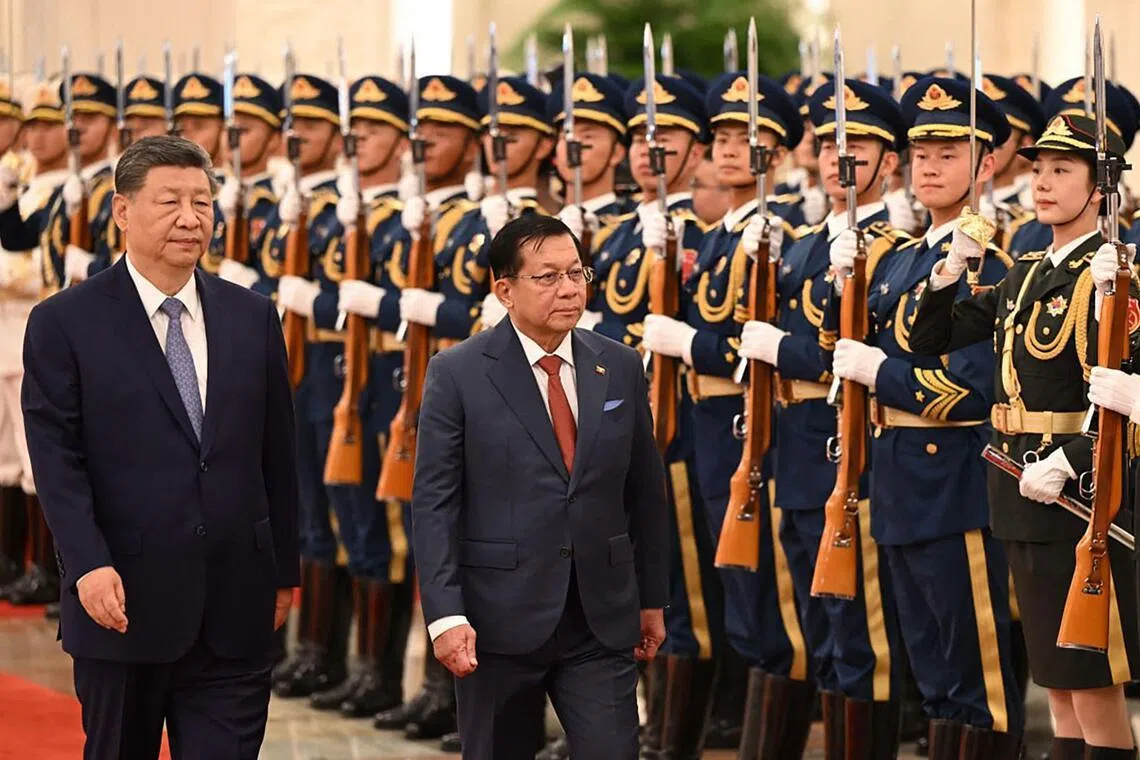
- Min Aung Hlaing was received in Beijing on June 16 by Xi Jinping with a military guard of honour and flag-waving children, gaining what analysts called crucial political validation of his civilian administration that took over after a 2021 coup.
- Xi Jinping invoked the "pauk-phaw" (brotherly bond) term and said China supports Myanmar's "correct development path," while Min Aung Hlaing also met Premier Li Qiang and NPC chairman Zhao Leji — the Communist Party's second- and third-ranked leaders.
- China diverged from ASEAN by sending a delegation to observe the December 2025–January 2026 election, calling the process "smooth and orderly"; ASEAN has not recognised the outcome and has no consensus on engaging the new government.
- China–Myanmar bilateral trade reached US$19.4 billion in 2025, a 19% year-on-year increase, making China Myanmar's largest trading partner amid a conflict that has killed more than 93,000 people.
- The visit produced 18 MOUs in human resource development and trade, but there were no signs Xi and Min Aung Hlaing discussed resuming the long-stalled Chinese-financed Myitsone Dam, which analyst Wai Yan Phyo Naing said is no longer a Chinese priority given Yunnan's current power capacity.
- Min Aung Hlaing had also received a red-carpet welcome from Indian PM Narendra Modi on a five-day India trip earlier in June, with both visits seen as parallel efforts to court international legitimacy.
- Beijing expects protection for its investments and personnel, action against cross-border crime, and progress on strategic projects like the China-Myanmar Economic Corridor and Kyaukphyu port — a Yunnan-to-Bay-of-Bengal link — in exchange for its political backing.
Why it matters: For Min Aung Hlaing, Beijing's full diplomatic embrace — explicitly contrasted with ASEAN's continued refusal to recognise the 2025–26 election — provides international legitimacy his government cannot get elsewhere, while China locks in protection for US$19.4 billion in bilateral trade, the China-Myanmar Economic Corridor, and the Kyaukphyu deep-water port to the Bay of Bengal.
Ask SkimNews