Xi Jinping has hosted more than a dozen leaders this year, as ‘middle powers’ look beyond the US

Get the Geopolitics newsletter
Daily geopolitics — wars, elections, sanctions, the diplomatic moves that move markets. Free.
- Xi Jinping has hosted more than a dozen world leaders in Beijing this year, including Russia's Vladimir Putin, UK PM Keir Starmer, and President Donald Trump, with Bangladesh PM Tarique Rahman meeting him on Friday and Myanmar's Min Aung Hlaing visiting less than two weeks earlier.
- Canada's Mark Carney and other visiting leaders framed their trips as 'middle-power' efforts to chart independent relationships with Beijing against an 'increasingly capricious' US, according to the source.
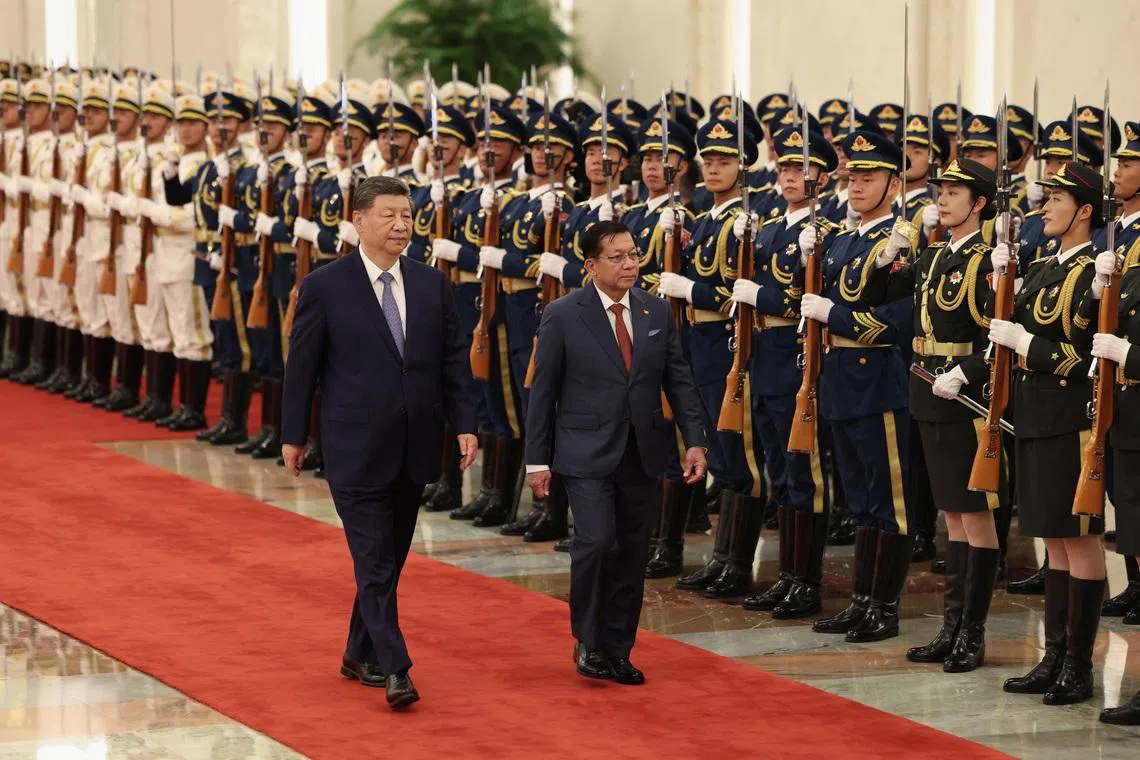
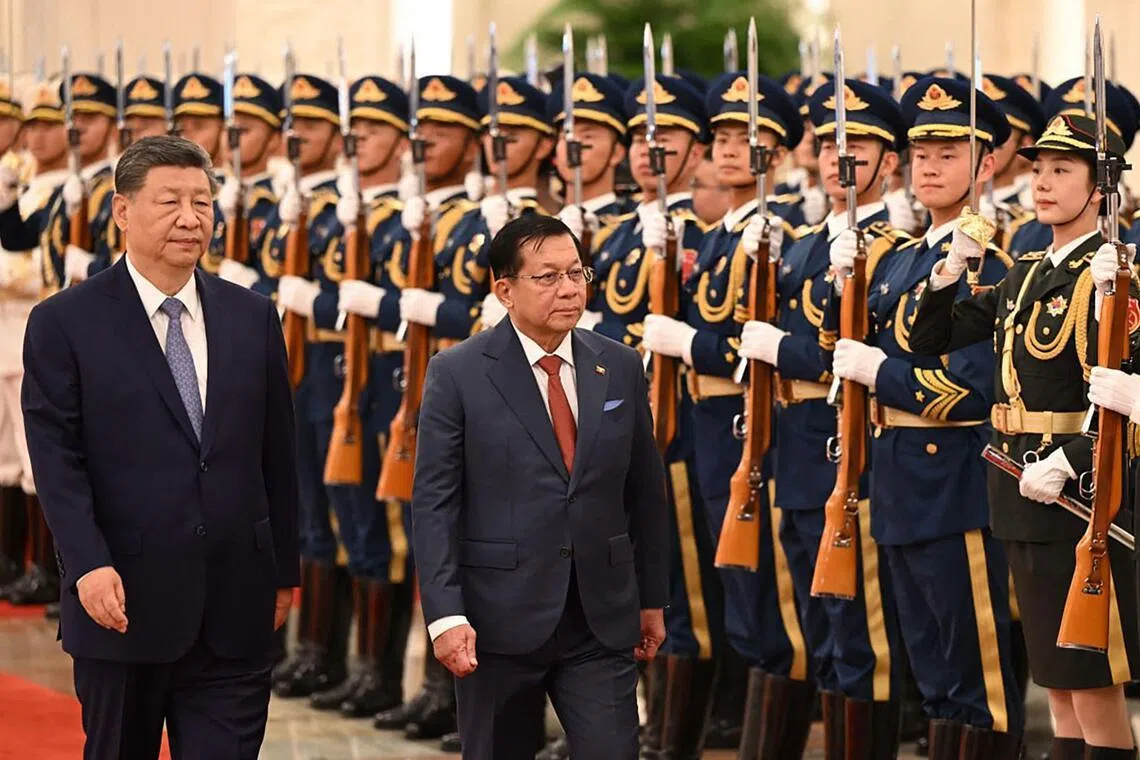
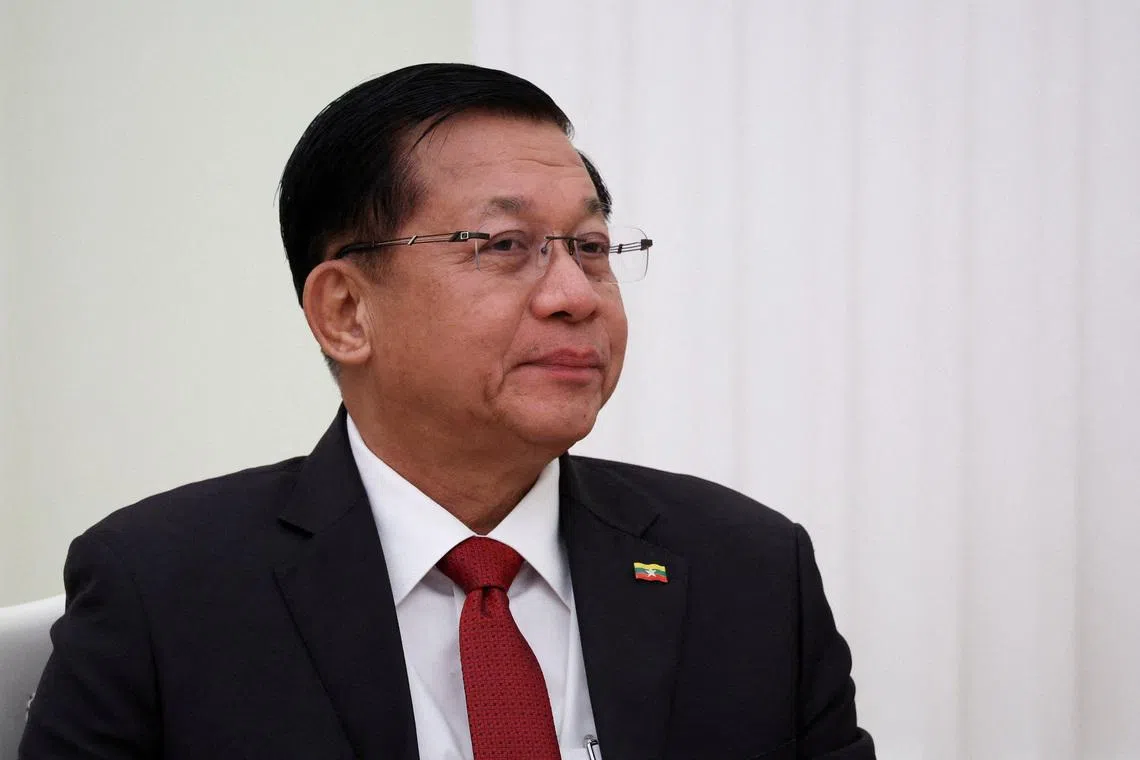
- Xi gave Myanmar's military chief Min Aung Hlaing the red carpet treatment, signalling 'firm support' for his regime despite UN accusations of war crimes and genocide — Min's visit was only his second foreign trip since cementing power via a widely condemned election six months ago.
- Xi visited Kim Jong-un earlier this month in a rare overseas trip, conspicuously omitting his previously strong opposition to North Korea's nuclear weapons program from readouts — a silence analysts read as tacit acceptance of Pyongyang's nuclear-armed status.
- International Crisis Group analyst William Yang said the wave of visits reflects 'growing recognition of China's increasing global influence' and lets Beijing 'promote the alternative multipolar world order' while weakening trust in the US.
- Despite the diplomatic activity, Beijing's crisis-solving influence is limited: it has not been a peacemaker in the Iran-US conflict, its 2023 Saudi-Iran detente hasn't translated into decisive sway over Tehran, and its 12-point Ukraine peace plan has been 'forgotten' amid enduring support for Russia's invasion.
Why it matters: China is converting its diplomatic calendar into soft-power currency, positioning itself as the stable alternative for Global South and middle powers hedging against US unpredictability — but the gap between its high-profile hosting and its failure to resolve active crises (Iran, Ukraine) reveals that Beijing's global influence runs wider than it runs deep.
Ask SkimNews