China's Myanmar Bet: 18 Deals Signed, 2 Key Ones Not — SkimNews

Get the Geopolitics newsletter
Daily geopolitics — wars, elections, sanctions, the diplomatic moves that move markets. Free.
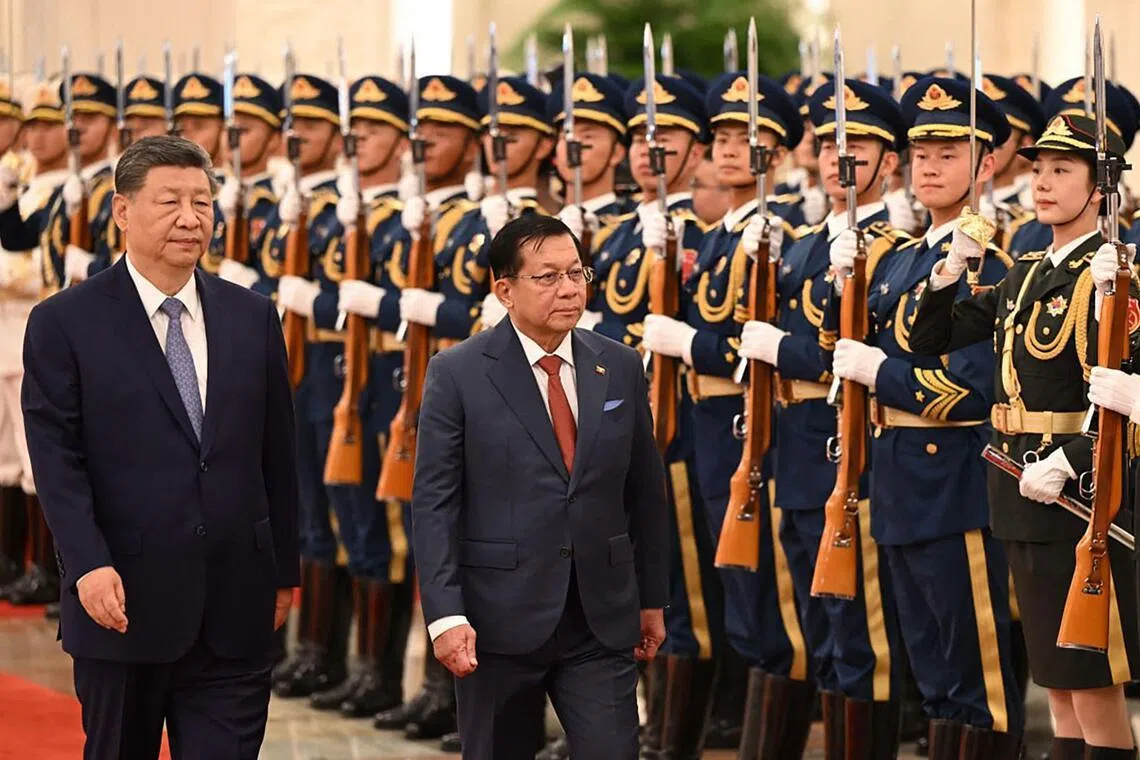
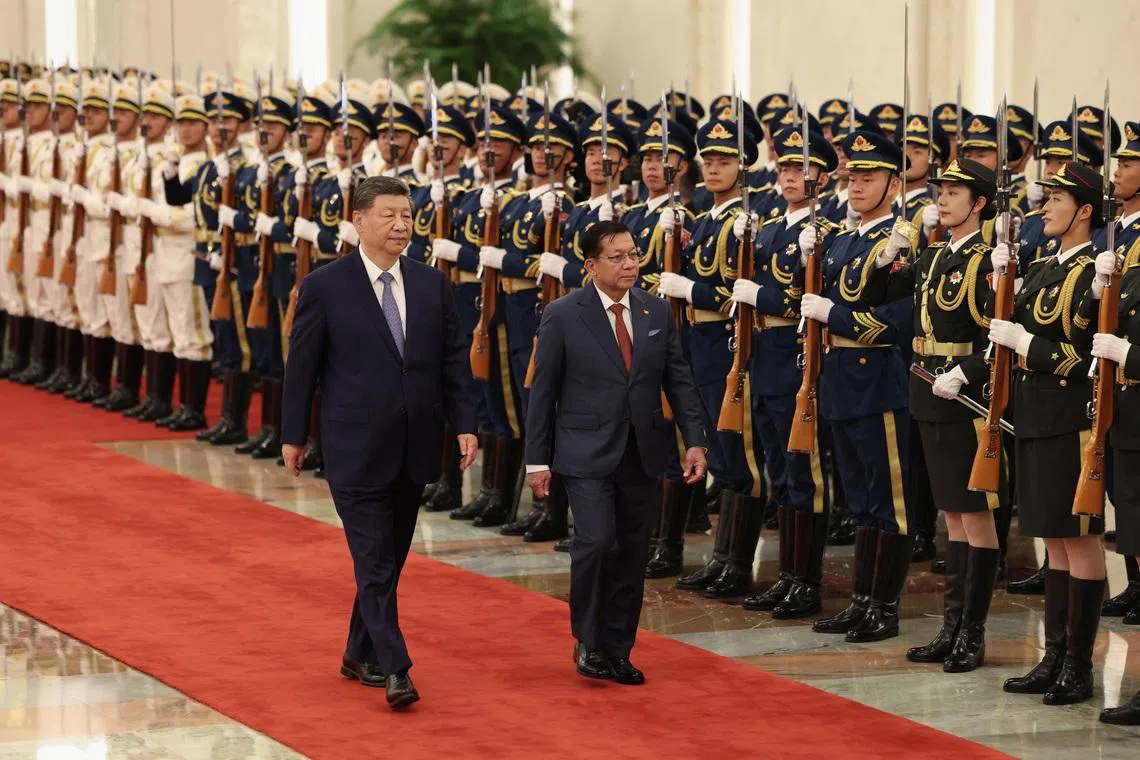
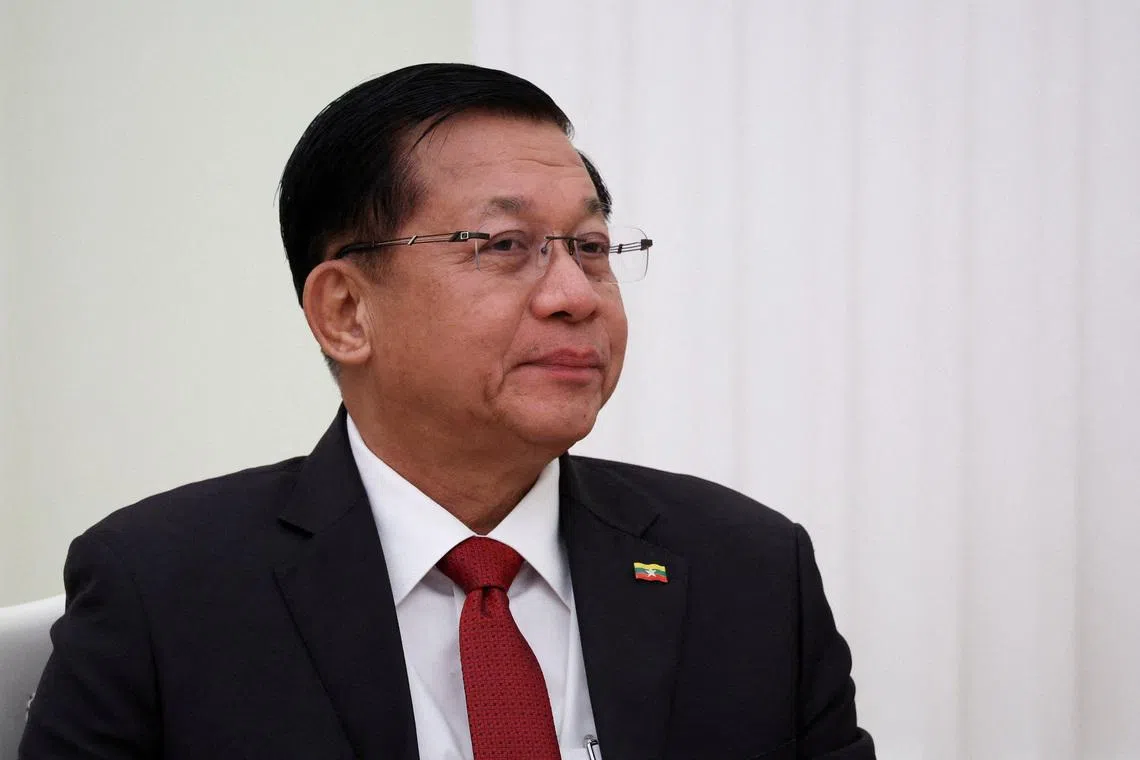
- Xi Jinping welcomed Min Aung Hlaing to Beijing on June 15 with full state-visit honors and a Huawei phone gift, signing 18 cooperation documents on transport, public health and media — but omitting the Kyaukphyu deep-sea port and Muse-Mandalay railway, the two anchor projects of China's Indian Ocean and CMEC strategy.
- The Arakan Army now besieges the naval approaches to Kyaukphyu in Rakhine State, displacing over 50,000 civilians; the Kachin Independence Army holds the rare-earth belt feeding China's heavy-metal separation industry; and the Ta'ang National Liberation Army refused junta demands to evacuate four townships at May 2026 Kunming talks.
- UN Special Envoy Julie Bishop at the General Assembly five days after the visit used the titles "President Win Myint" and "State Counsellor Aung San Suu Kyi," signaling the UN does not recognize Min Aung Hlaing's self-installed "civilian presidency" from his December-January sham election.
- EU Ambassador Hedda Samson said the staged elections "do not confer legitimacy," called for a global arms embargo, and warned countries supplying lethal assistance "must stop" — a formulation that implicitly names China and Russia — while reporting 640 children killed by junta airstrikes and 3.7 million civilians internally displaced.
- The Observer Research Foundation argues India's state-centric Myanmar policy is "increasingly inadequate," and the Manohar Parrikar Institute for Defense Studies and Analyses says the KIA's rare-earth control may compel China to engage ethnic forces directly rather than through Naypyidaw.
- The next test arrives at the 81st UN General Assembly in September 2026, when the Credentials Committee will again take up Myanmar's representation, with Beijing, Moscow and Naypyidaw expected to push for a "seat empty" compromise rather than outright junta credentialing.
Why it matters: The unsigned Kyaukphyu port and Muse-Mandalay railway are not bureaucratic oversights but structural impossibilities: the Arakan Army, KIA and TNLA control the corridors Beijing needs, and Min Aung Hlaing cannot deliver them. With the EU now pushing an arms embargo and the September 2026 UN Credentials Committee looming, China's prestige bet on a general who cannot consolidate is now costing Beijing internationally.
Ask SkimNews