Myanmar Junta Can't Deliver on India Deals — SkimNews

Get the Geopolitics newsletter
Daily geopolitics — wars, elections, sanctions, the diplomatic moves that move markets. Free.
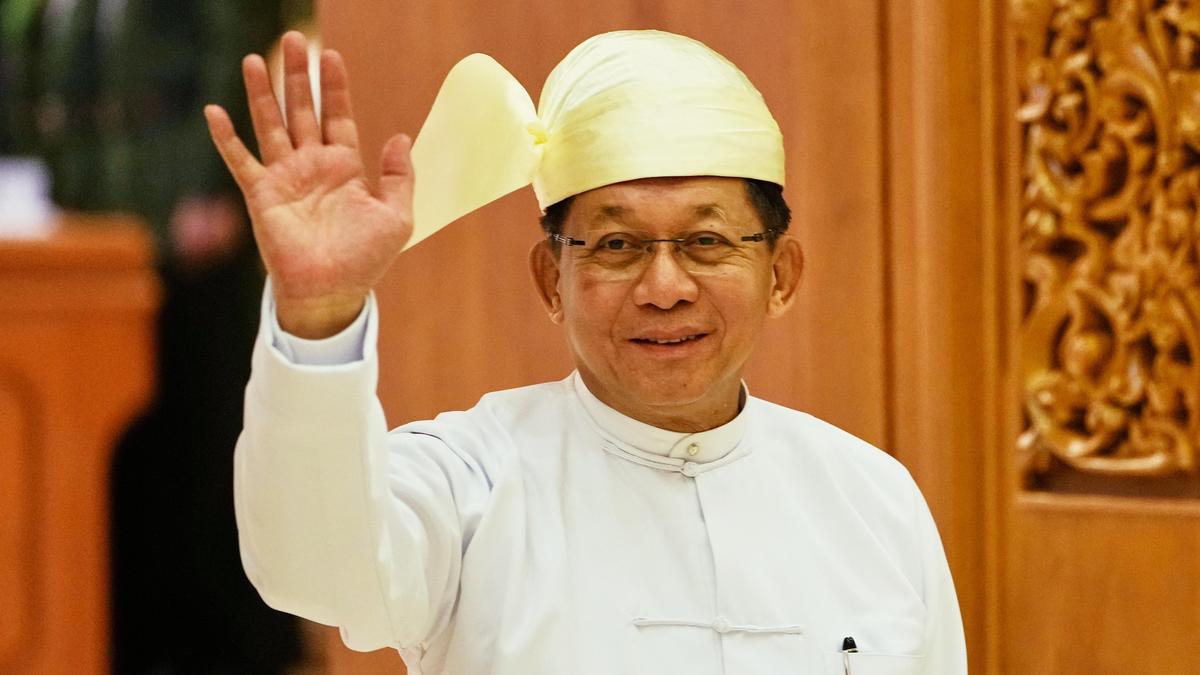
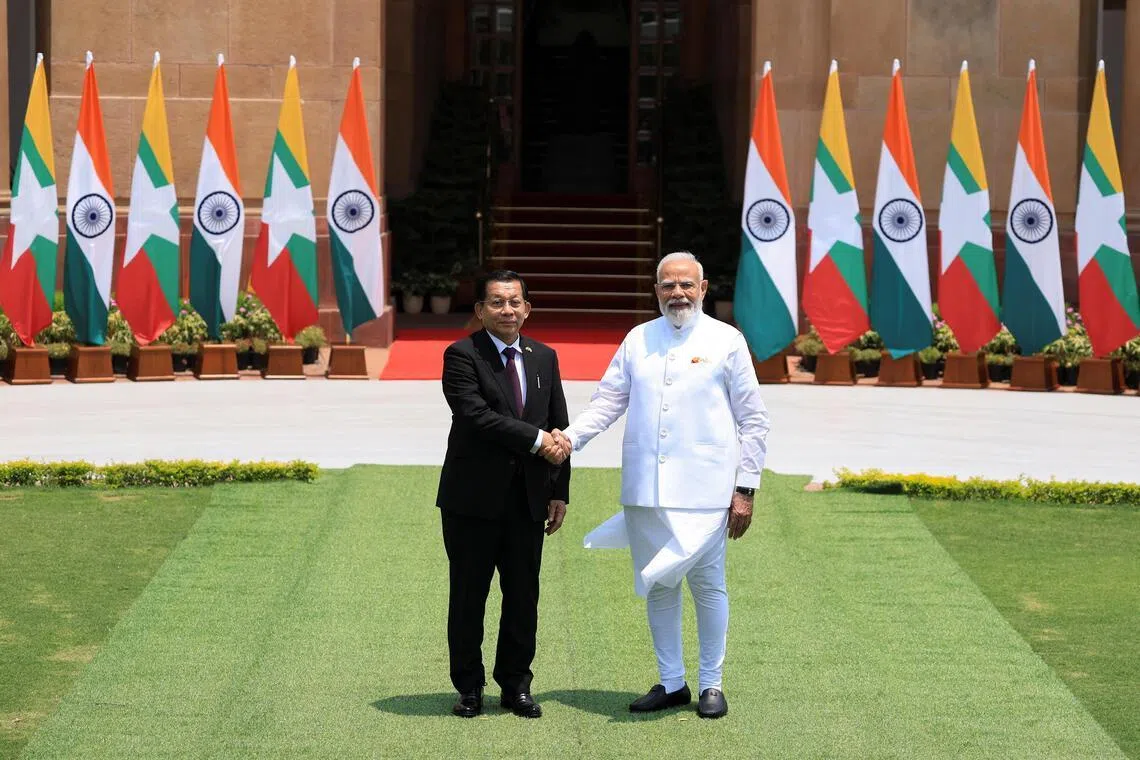
- Min Aung Hlaing visited India May 30 to June 3 for his first official overseas trip as Myanmar's new "president," receiving a full state welcome in New Delhi that boosted his claim to legitimacy following sham elections held in December and January.
- The Kaladan Multi-Modal Transit Transport Project — designed to connect Kolkata to Sittwe Port and onward to India's Mizoram state — runs through territory controlled by the rebel Arakan Army in Rakhine State and Chin resistance forces, meaning the junta cannot guarantee delivery on the route.
- Min Aung Hlaing is auctioning Myanmar's sovereign assets to multiple powers simultaneously: the Kyaukphyu seaport and Myitsone dam to China, the Dawei deep seaport to Russia, and the Kaladan project plus rare earth mining deals to India.
- The junta's reliance on airstrikes, artillery, forced conscription and scorched-earth operations is driving refugees into India's northeastern states of Mizoram and Manipur along the 1,643-kilometer shared border, deepening anger among border communities.
- India risks repeating China's Myanmar mistake by treating the central military authority as the legitimate sovereign power, when it should engage directly with the Arakan Army, Chin rebel groups, the anti-junta National Unity Government, and border communities who now control the routes India needs.
Why it matters: India is publicly committing to infrastructure projects — notably the Kaladan corridor — that traverse territory held by ethnic armed organizations, meaning the signed agreements carry no operational guarantee. By embracing Min Aung Hlaing as a head of state after sham elections, New Delhi ties itself to a military whose scorched-earth tactics are the direct cause of the refugee flow into India's own northeast, while the junta simultaneously auctions overlapping concessions to China and Russia.
Ask SkimNews