Philippines protests China Daily's racist monkey videos — SkimNews

Get the Geopolitics newsletter
Daily geopolitics — wars, elections, sanctions, the diplomatic moves that move markets. Free.
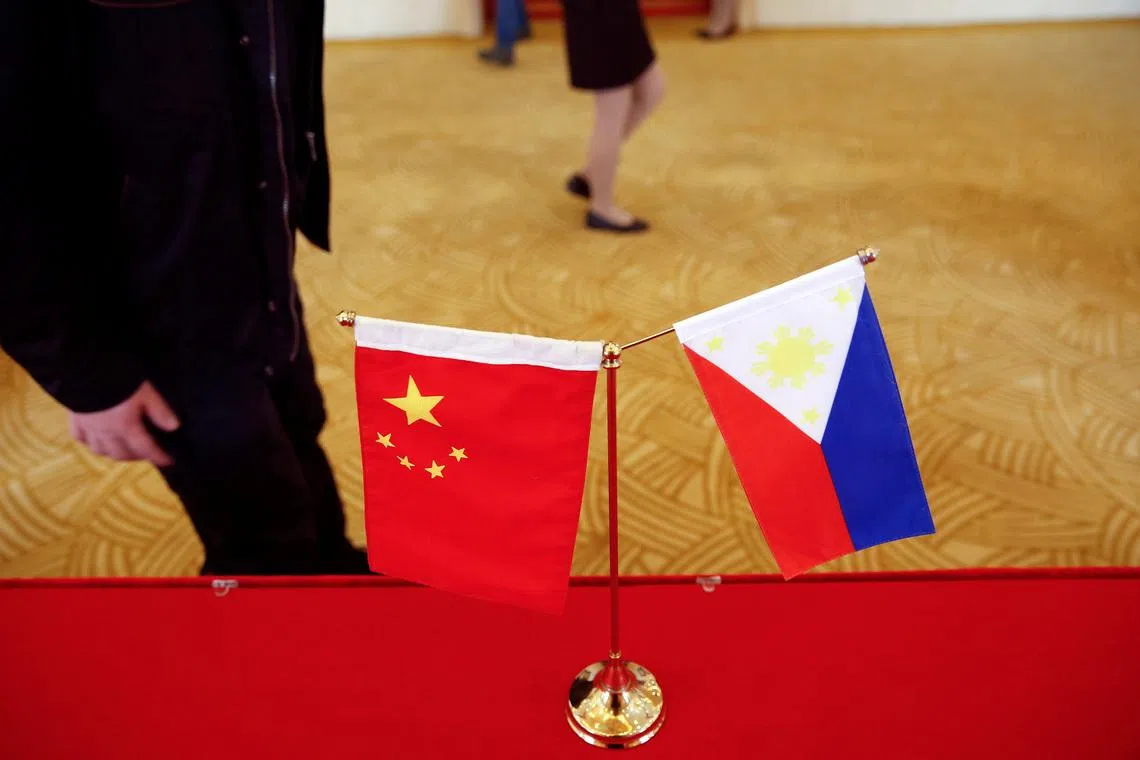
- Philippines' Department of Foreign Affairs filed a diplomatic protest over China Daily videos depicting Filipinos as monkeys, saying the content went "beyond political debate" and used "demeaning, dehumanizing, and racist depictions"
- Foreign Affairs Undersecretary Maria Theresa Lazaro raised the issue directly with China's ambassador to Manila while the Philippine embassy in Beijing published an open letter to China Daily's editor flagging a "breach of editorial norms and principles"
- China Daily claims a combined audience of more than 470 million people and over 110 million Facebook followers, the platform where the videos were shared
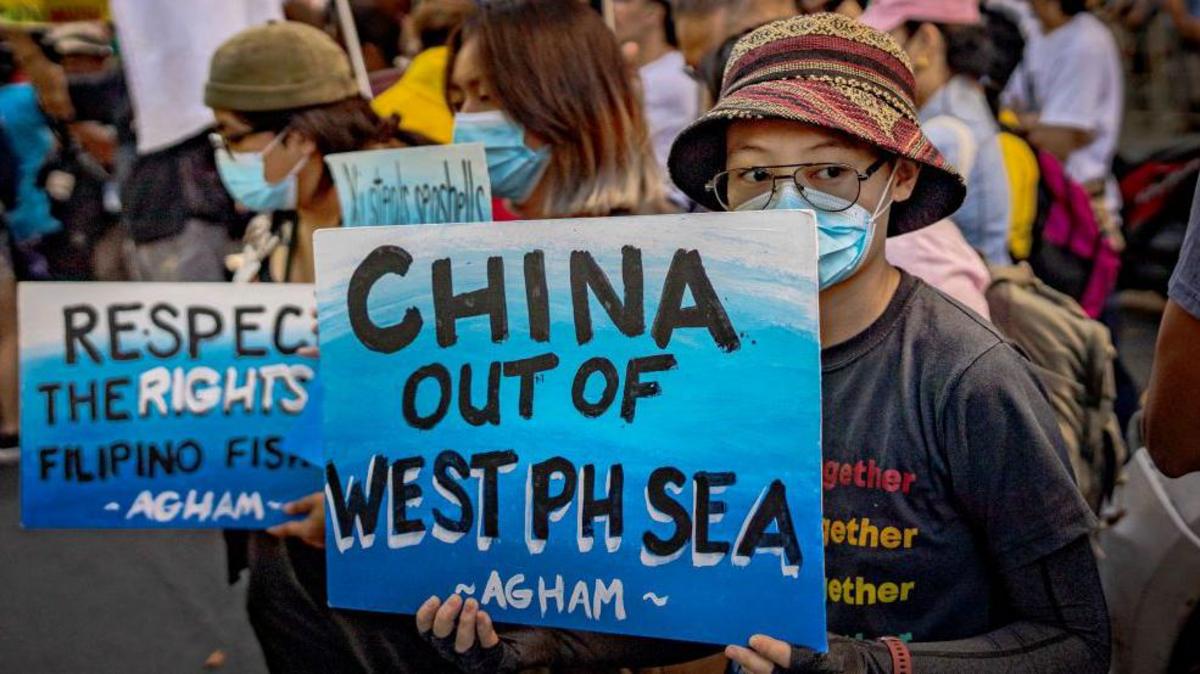
- The videos marked the 10th anniversary of the 2016 South China Sea arbitral award, which ruled overwhelmingly in the Philippines' favor and found China's sweeping claims had no legal basis under international law — a ruling Beijing has rejected
- The United States, Germany, Japan and United Kingdom issued a joint statement this month reaffirming support for the tribunal's "legally binding" and "definitive" findings and warning against "unilateral actions including by force or coercion"
- China's Ministry of Foreign Affairs and China Daily had not publicly responded to the Philippine protest at time of publication
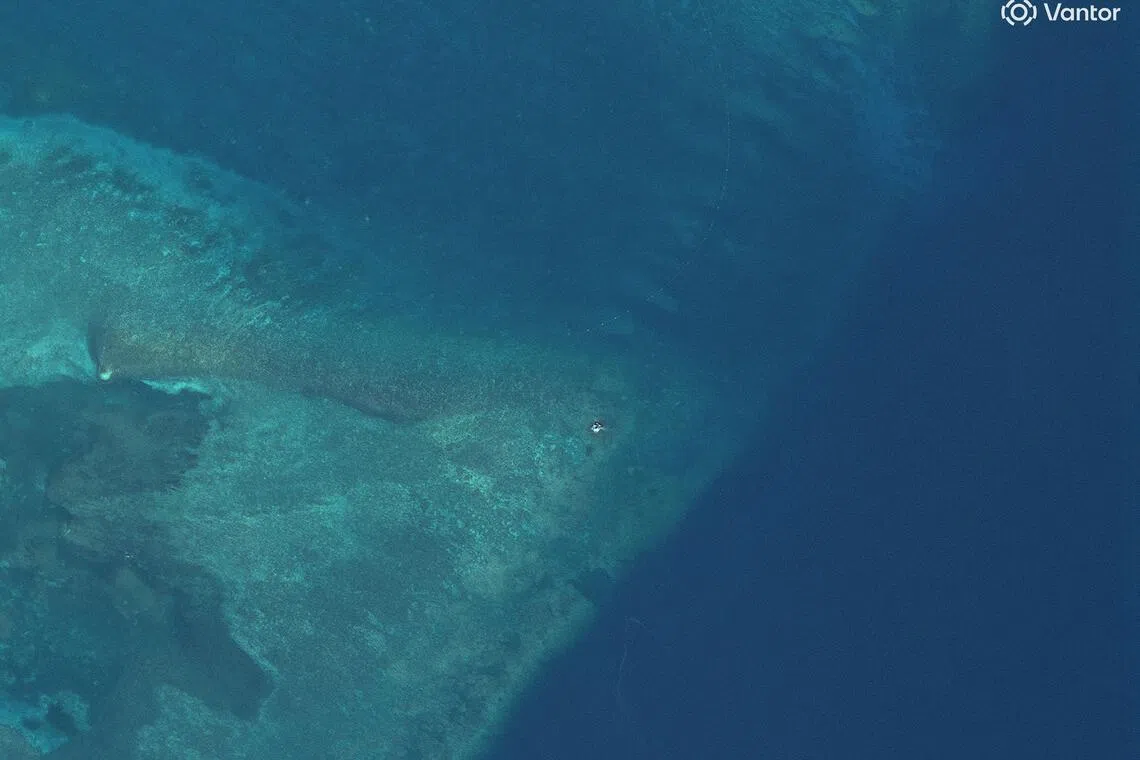
Why it matters: The protest converts a media spat into a bilateral flashpoint on the 10th anniversary of the 2016 ruling: China Daily's 470-million-person reach means the videos circulate well beyond diplomatic channels, while Beijing's silence keeps the rejected arbitral award back in headlines as the US, Japan, Germany and the UK publicly side with Manila. The underlying dispute — over the Spratly Islands and Scarborough Shoal in a sea estimated to hold 11 billion barrels of oil and 190 trillion cubic feet of natural gas — has previously produced collisions and water-cannon attacks on Philippine ships.
Ask SkimNews