Lindisfarne's 12-Fold Tern Comeback Behind Fences and Wardens — SkimNews

Get the Energy newsletter
Daily energy & climate — solar, EVs, oil, the policy fights and tech bets shaping the transition. Free.
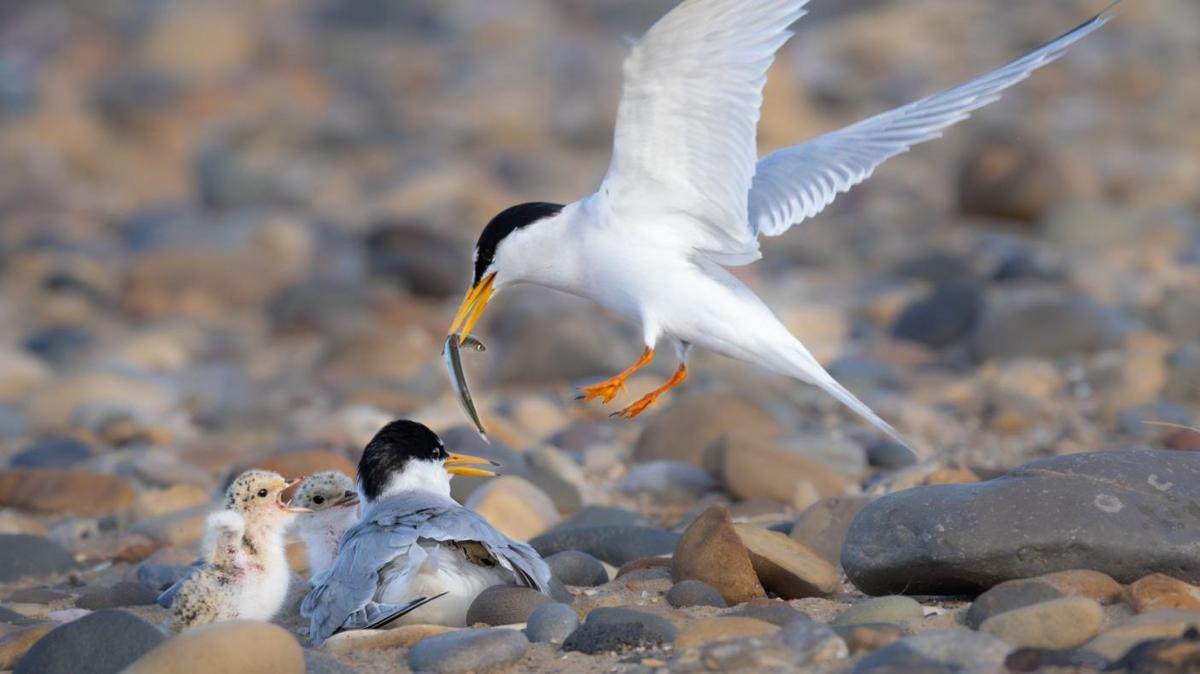
- Lindisfarne National Nature Reserve has installed 3 miles of electrifiable netted fencing across eight patches to keep predators and people away from ground-nesting little terns and ringed plovers, while still allowing the birds to pass through.
- British Trust for Ornithology data shows the UK's little tern breeding abundance fell 19% between 1986 and 2024, with Arctic terns down 25% and common terns down 63% over the same period.
- EU Life fund money has let the reserve hire seasonal wardens — not just volunteers — to engage beachgoers during breeding season, with the team citing "a big gap in people's understanding of nature" as a core problem.
- Little tern breeding success on Lindisfarne jumped from 15 fledglings produced by 25 pairs in 2020 to 201 fledglings from 138 pairs in 2025, a more than 12-fold increase that senior manager Andrew Craggs called unprecedented.
- Tony Juniper, chair of Natural England, attributed rising disturbance to higher car ownership, more outdoor recreation and more dogs, noting the reserve draws up to a million visitors a year via the Holy Island causeway and surrounding coast.
- Natural England's Ginny Swaile said terns are "really poor at choosing safe nesting spots" — favouring open sand where scrapes are nearly invisible — making the species uniquely vulnerable to accidental trampling.
Why it matters: For a species whose UK breeding abundance has dropped 19% since 1986, Lindisfarne's shift from volunteer-only patrols to funded wardens and fencing has delivered a measurable comeback — 201 fledglings in 2025 versus 15 five years earlier — offering a replicable model for other coastal reserves facing the same pressure from a million-plus annual visitors.
Ask SkimNews