Meloni Calls Trump's 'Begged for Photo' Story 'Made Up' — SkimNews
Get the Geopolitics newsletter
Daily geopolitics — wars, elections, sanctions, the diplomatic moves that move markets. Free.
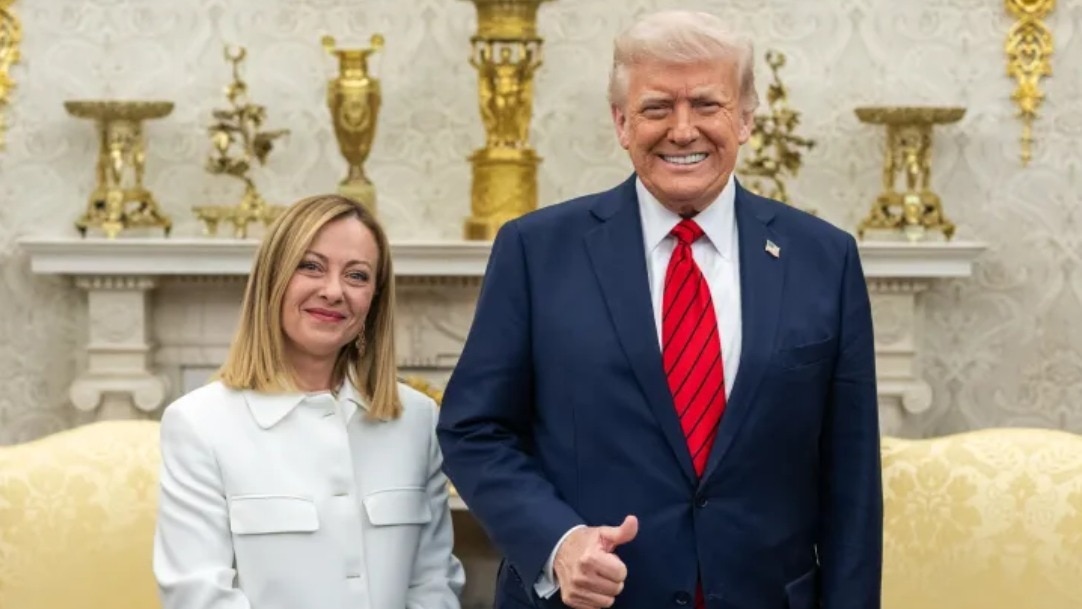
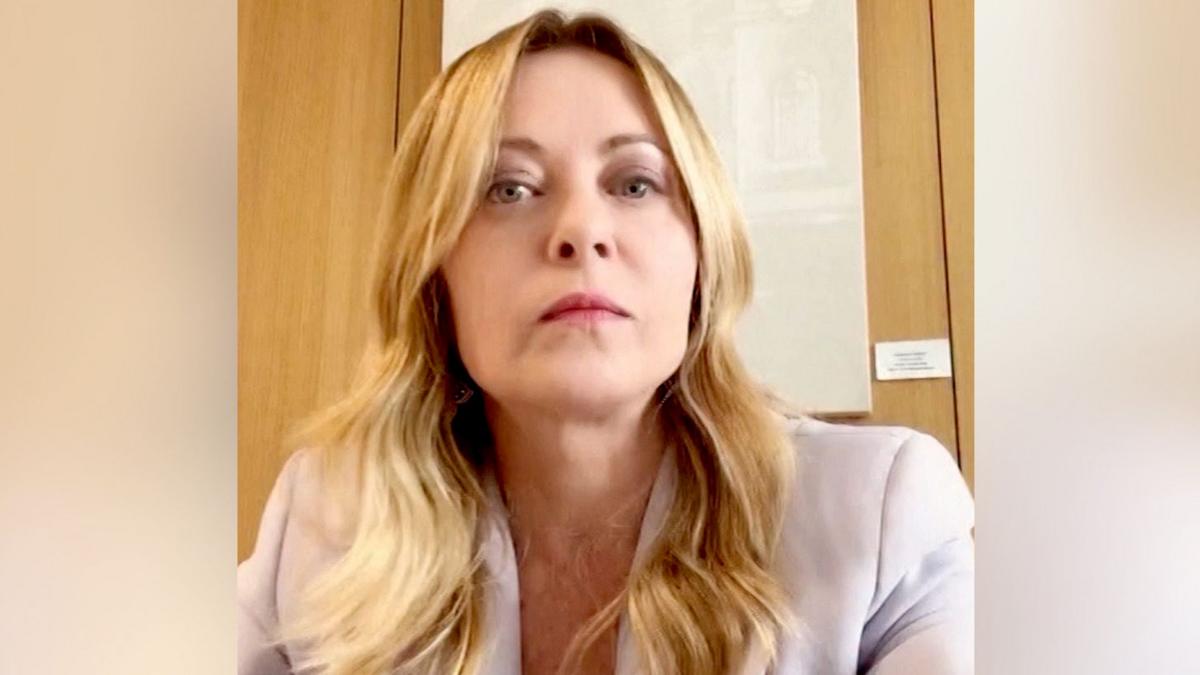
- Giorgia Meloni dismissed Trump's La7 TV interview claim that she 'begged' him for a photo as entirely 'made-up,' telling her 7 million Instagram followers: 'Neither I nor Italy ever beg.'
- Trump alleged in the La7 phone interview, 'She begged me to take a photo with her; I felt sorry for her,' and doubled down with 'She's probably happy I spoke to her,' per the BBC source.
- Italian Foreign Minister Antonio Tajani cancelled a trip to the US scheduled for early next week in response to the exchange.
- Italian President Sergio Mattarella immediately phoned Meloni to offer support, and figures from across the political spectrum — including opposition Democrats, Five Star's Giuseppe Conte, and League leader Matteo Salvini — rallied to her defense.
- The rift traces back to Trump's war with Iran: Meloni was the sole European leader at Trump's January 2025 inauguration and once seen as a US bridge-builder, but she opposed the war and Trump hit back in April via Corriere della Sera, saying 'I thought she had courage, but I was wrong.'
- The falling-out reflects a broader European pattern: UK PM Keir Starmer has criticized Trump over Afghanistan, other allies refused use of air bases for Iran strikes, and European capitals have grown more assertive since the US threatened Greenland earlier this year.
- Meloni's Instagram statement struck a pointed policy note, saying it was 'regrettable' Trump 'does not show the same determination towards the enemies of the West… whose leaders he instead appears to be far more accommodating with.'
Why it matters: Italy was viewed as Washington's closest European partner under Meloni — a right-wing leader who attended Trump's inauguration and was eyed as a bridge to the EU. Her public rebuff, combined with Tajani's cancelled US trip and cross-party Italian outrage, signals that even pro-Trump European governments are now willing to absorb a direct confrontation rather than accommodate the US president, accelerating the post-Iran-war European push for strategic autonomy.
Ask SkimNews