'Burden of carrying the league': 30 seasons later, Liberty vs. Sparks highlights WNBA's incredible evolution — SkimNews
Get the Sports newsletter
Daily sports — scores, transfers, the storylines from the leagues you actually follow. Free.
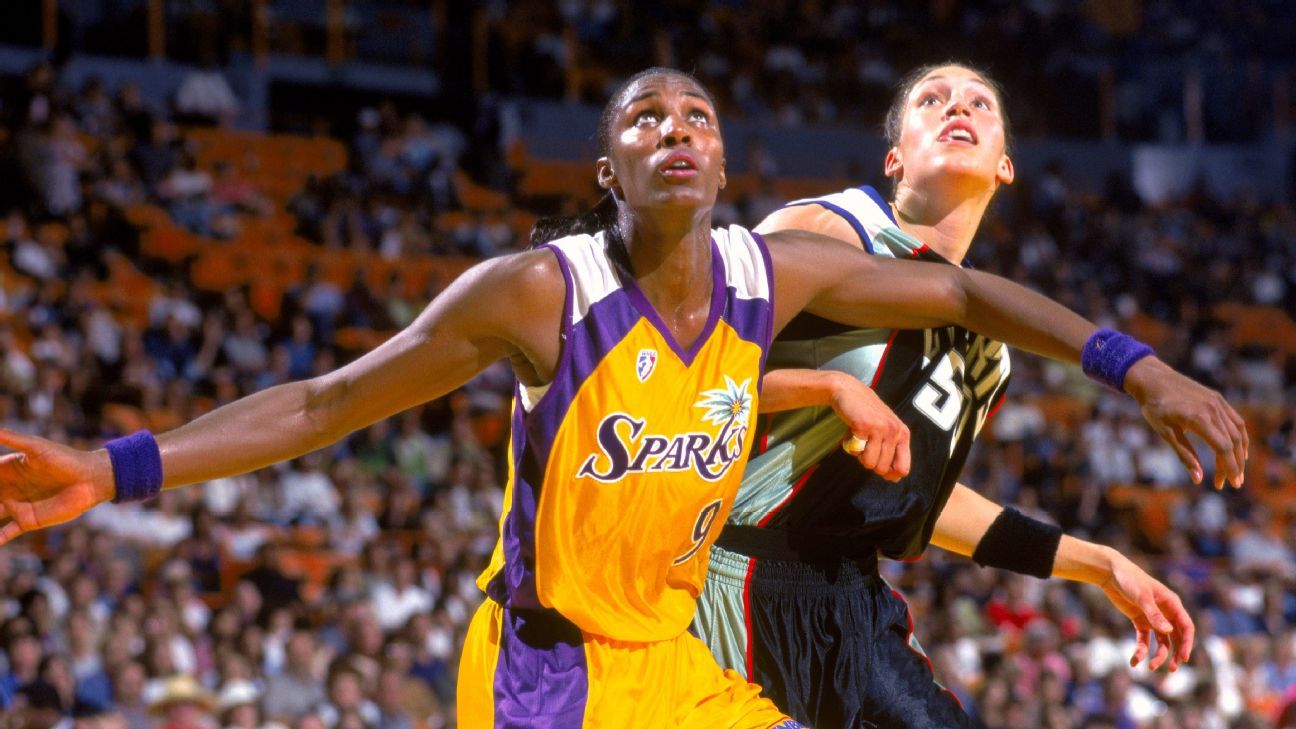
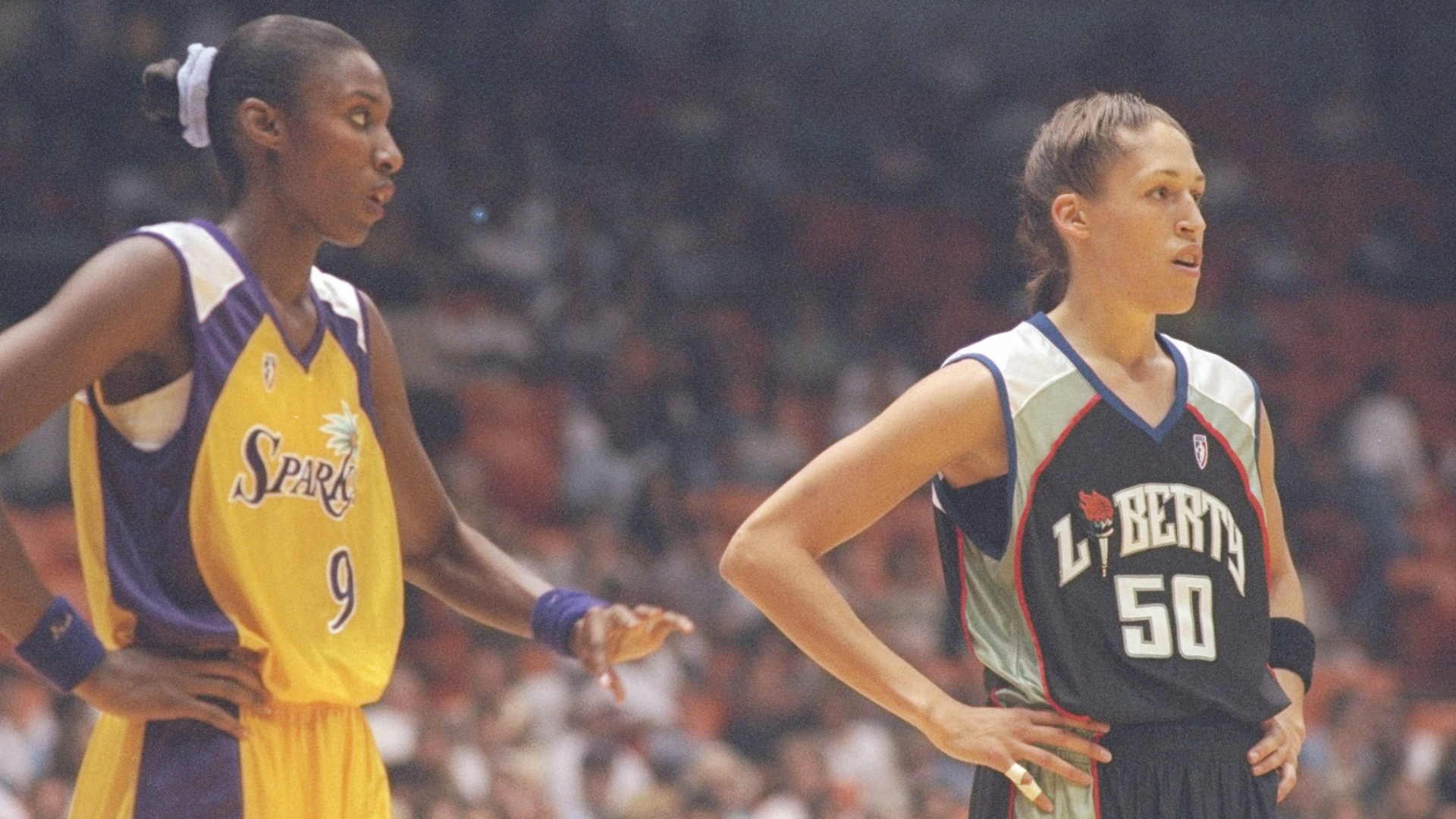
- WNBA's inaugural game on June 21, 1997 drew 14,284 fans at the Great Western Forum and 3.7 million NBC viewers, with the Liberty beating the Sparks 67-57 in a sloppy opener Rebecca Lobo called "ugly" but one Lisa Leslie said carried "the burden of carrying the league"
- Lisa Leslie infamously ran into the rim on a would-be first-quarter dunk in that opener; she didn't successfully dunk in a WNBA game until July 30, 2002 — and only because she was angry her Sparks were losing to Miami
- Media skeptics pounced immediately: Vic Ziegel wrote in the New York Daily News that two days in there was "still no sign of a Lisa Leslie T-shirt," while Bernie Lincicome of the Chicago Tribune asked how far back women's sports would be set if the league failed
- WNBA economics transformed across 30 seasons: max salaries climbed from $50,000 in 1997 to $1.4 million today, the schedule expanded from 28 to 44 games (50 in 2027, ~52 in 2029), and franchise valuations now average $427 million on the back of a $3.1 billion television deal
- League structure grew from 8 teams to 15 (heading to 18 by 2030), though four original franchises folded and the Utah Starzz relocated to become the Las Vegas Aces; the playoffs evolved from a single-elimination Final Four to a best-of-seven Finals, and a new CBA added revenue sharing with a $7 million salary cap
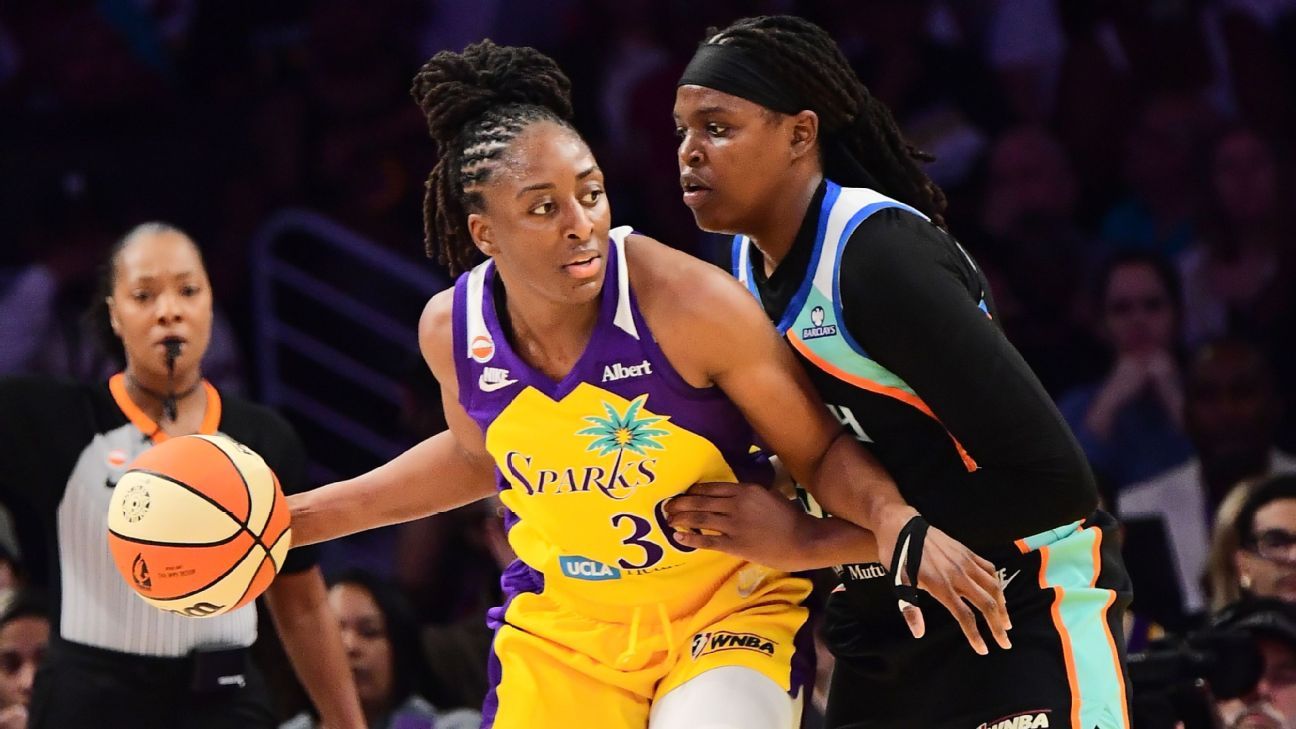
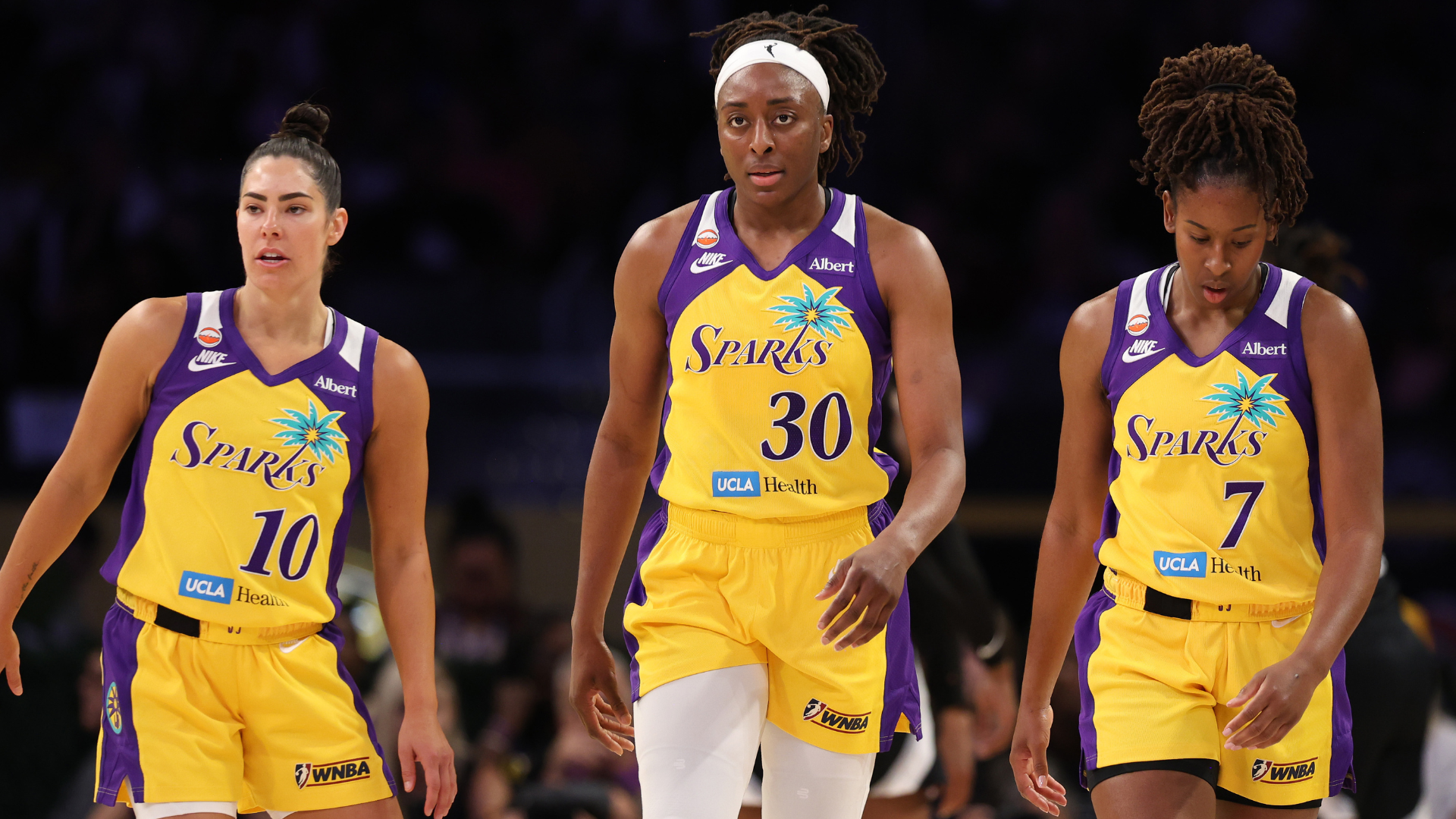
- Sunday's rematch pits Breanna Stewart's Liberty — coming off a stunning loss to the Washington Mystics on Friday — against Kelsey Plum and a Sparks team hoping their leading scorer is healthy enough to play
Why it matters: The WNBA has multiplied the economic floor for its players 28-fold in 30 seasons — max salaries jumped from $50,000 to $1.4 million, franchise values now average $427 million, and a $3.1 billion TV deal plus revenue-sharing CBA have converted the league's pioneers, who openly carried the weight of proving women's sports viable, into the architects of a self-sustaining professional enterprise expanding to 18 teams by 2030.
Ask SkimNews