Polestar barred from US sales over China ownership rule — SkimNews
Get the Energy newsletter
Daily energy & climate — solar, EVs, oil, the policy fights and tech bets shaping the transition. Free.
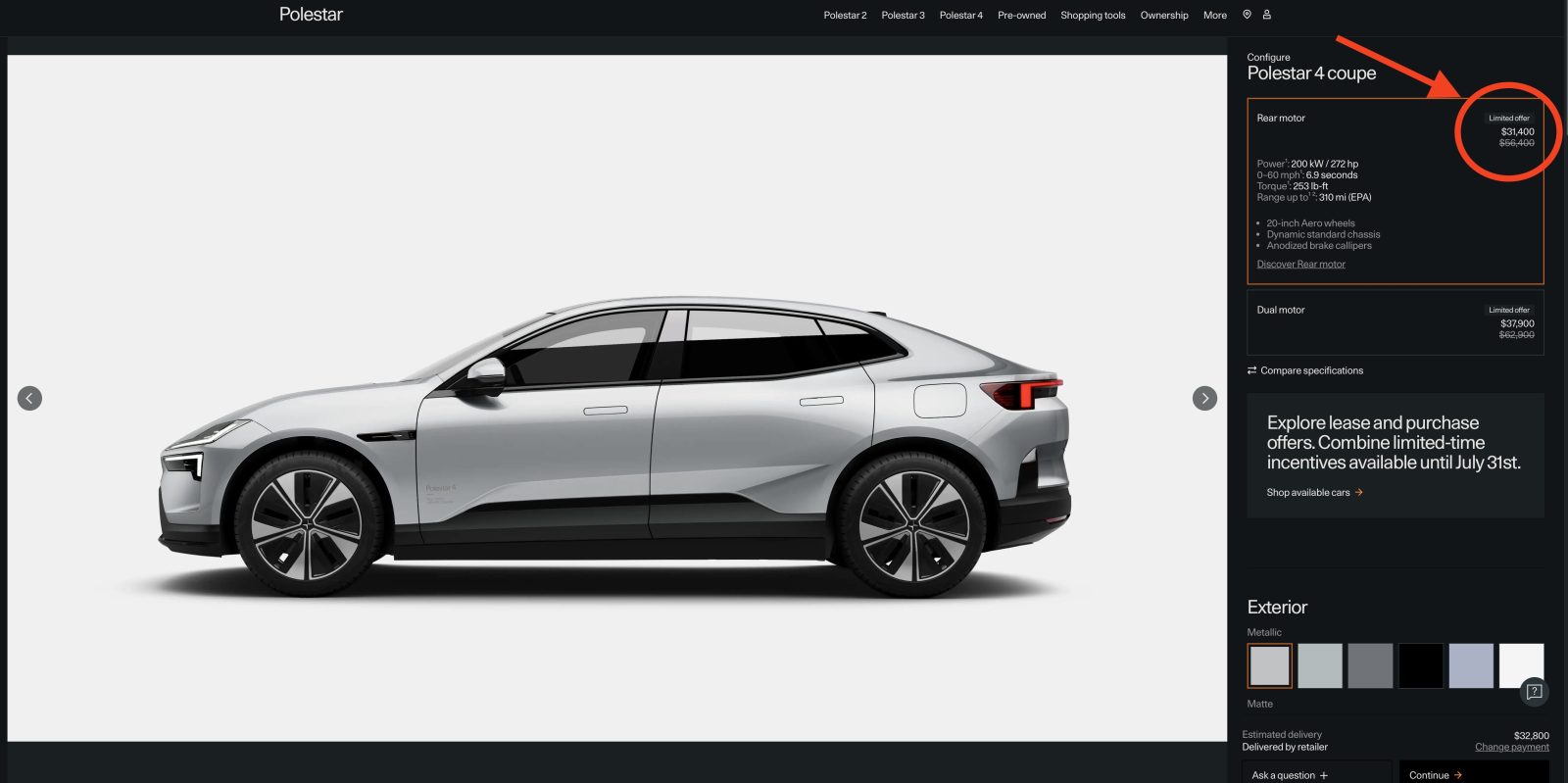
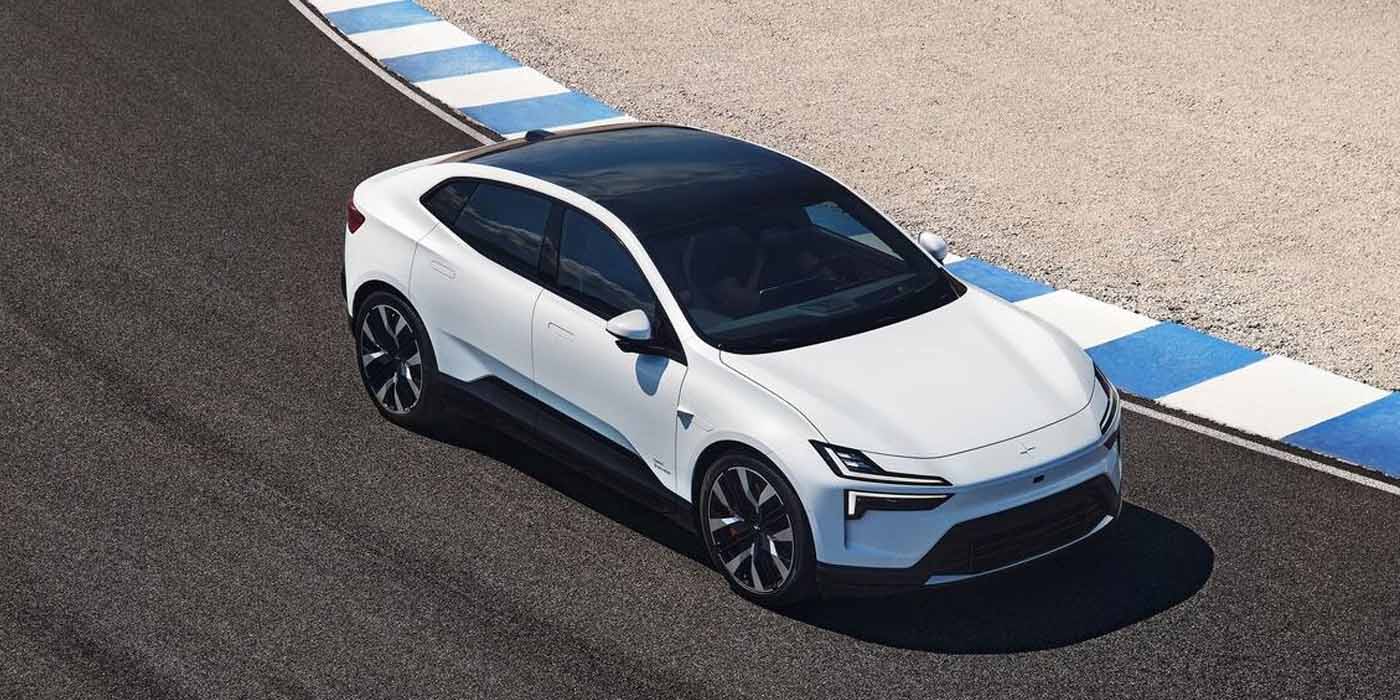
- Commerce Department declined Polestar's Connected Vehicle Rule authorization, ending new-car US sales from model year 2027 onward, though Polestar will continue selling existing Polestar 3 and Polestar 4 stock and servicing current owners
- The Connected Vehicle Rule, finalized January 2025, bans connected vehicles with a "sufficient nexus" to China or Russia; software prohibitions take effect for MY2027 and hardware restrictions follow in 2030, covering telematics, cameras, GPS, and automated driving software
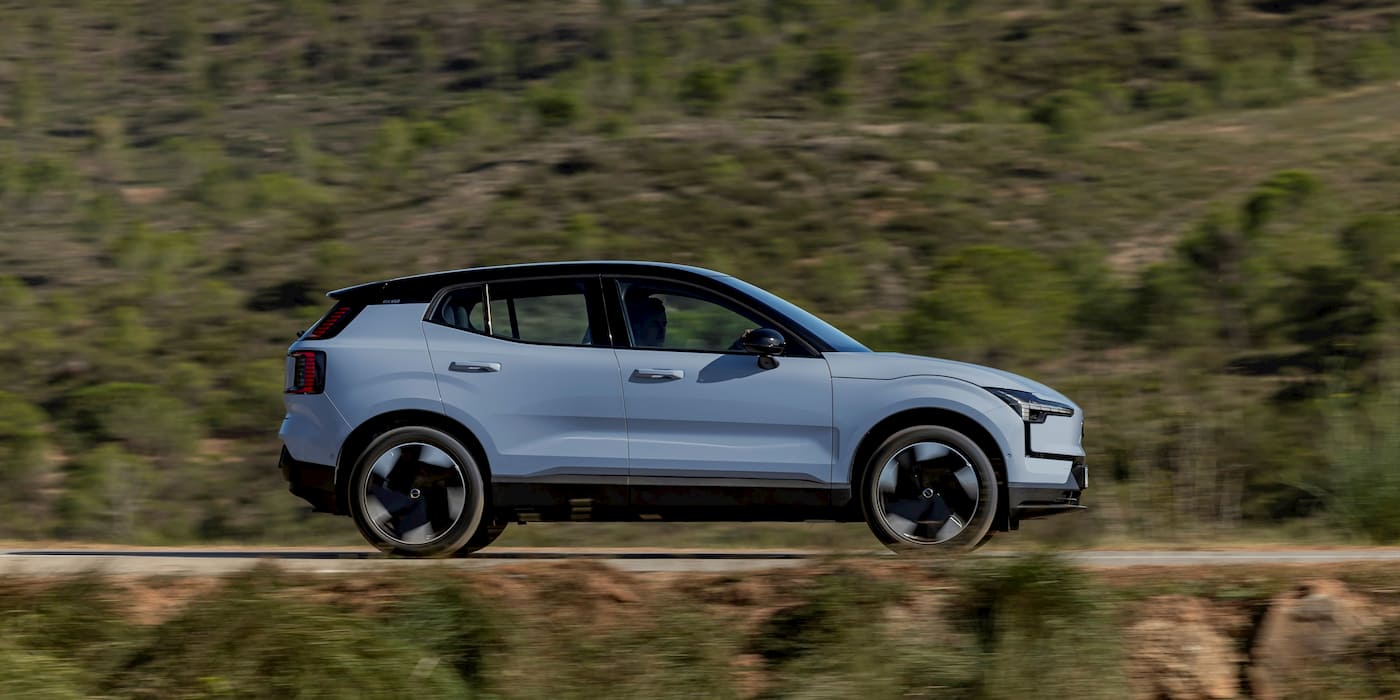
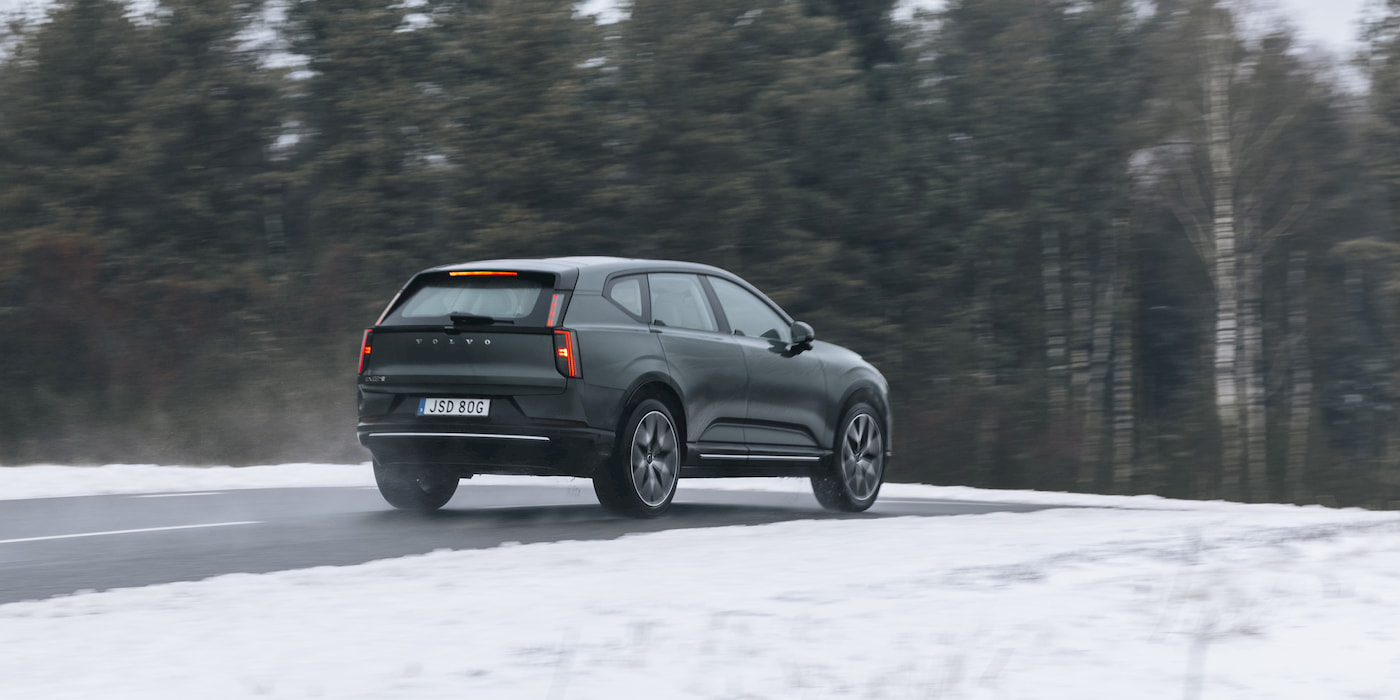
- Geely, the Chinese automotive group that also owns Volvo Cars, controls Polestar — yet Volvo was granted authorization while Polestar was rejected, despite Polestar 3 being assembled at Volvo's Charleston, South Carolina plant and Polestar 4 in Busan, South Korea
- Polestar's European pivot: Europe accounts for close to 80% of retail volumes and 94% of Q1 2026 sales came from outside the US; the company plans to expand its European sales network and localize Polestar 7 production in Europe
- Polestar's financials: posted a record 2025 with more than 60,000 cars sold and revenue above $3 billion, but Q1 2026 gross margin swung to negative 3.2% from positive 10.3% a year earlier on pricing pressure, tariffs, and product mix
- CEO Michael Lohscheller called Europe the company's "largest growth engine," saying the automotive industry is "entering a new phase, based on regional dynamics," with growth markets flagged in Southeast Asia, Eastern Europe, Latin America, and Canada
Why it matters: The Connected Vehicle Rule just demonstrated it can wall off a Swedish-branded, partly US-built EV purely on the basis of Chinese ownership upstream — a clear signal to every automaker with Chinese capital or a Chinese tech stack in its supply chain. The Volvo-yes, Polestar-no split under the same Geely parent shows how much discretion sits inside corporate-structure and software-sourcing assessments rather than factory geography, with 94% of Polestar's Q1 sales already outside the US making this a pruning rather than a fatal blow.
Ask SkimNews