Iran Retaliates Against US Bases in Kuwait, Bahrain — SkimNews

Get the Geopolitics newsletter
Daily geopolitics — wars, elections, sanctions, the diplomatic moves that move markets. Free.
- Iran's IRGC said its navy and aerospace forces launched joint missile and drone operations targeting US military sites in Kuwait and Bahrain in retaliation for recent US strikes against Iran, warning that ceasefire violations would halt all diplomatic processes under the Islamabad Memorandum of Understanding.
- CENTCOM struck Iran on Saturday after a Panama-flagged tanker was hit by an Iranian drone in the Strait of Hormuz, targeting Iranian military surveillance, communications, air defence, drone storage, and mine-laying facilities, with CENTCOM saying "Iran was given a chance to honour the ceasefire agreement but elected not to."
- President Trump warned on Truth Social that the US could escalate further and that "the Islamic Republic of Iran will no longer exist" if Iran does not adhere to the truce.
- Vice President JD Vance, Trump's chief negotiator on the conflict, said the US has honoured the ceasefire and blamed Iran for any return to conflict, writing on X: "If they have disagreements about how the MOU is being applied, they can pick up the phone. But violence will be met with violence."
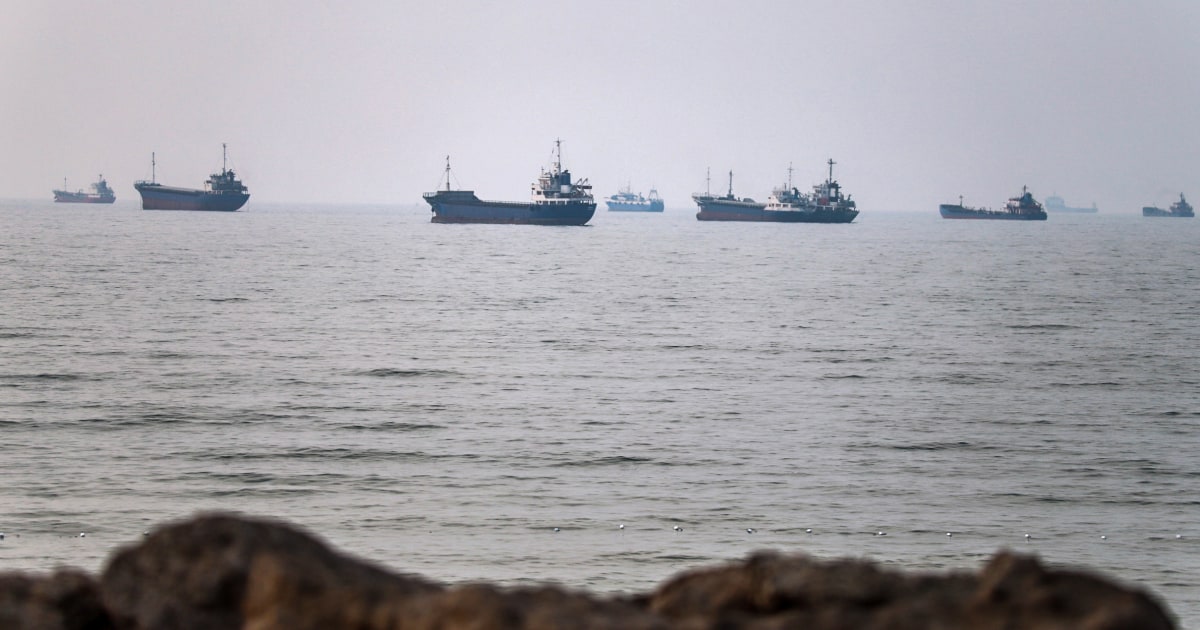
- Iran has fired "warning shots" at ships attempting to pass through channels not approved by Tehran in the Strait of Hormuz, prompting other vessels to seek Iranian permits, with Tehran's long-term aim of charging fees for ships using a northern route through Iranian-controlled waters.
- Oil prices have tumbled close to pre-war levels as hundreds of previously blockaded tankers began leaving through the Strait of Hormuz over the past two weeks, creating a surge in supply.
- Hezbollah leader Naim Qassem rejected the one-day-old US-brokered Israel-Lebanon framework agreement as "null and void," while Iran's adviser Mohsen Rezaei cited continued Israeli operations in Lebanon as evidence the US was violating the war-ending memorandum.
Why it matters: A tit-for-tat exchange of strikes is unraveling a two-week-old ceasefire as Iran now imposes permit requirements on tankers in the Strait of Hormuz and aims to charge transit fees through its waters — effectively asserting control over the world's most critical energy shipping lane. Oil prices have already tumbled close to pre-war levels on a supply surge from departing tankers, but the breakdown risks reversing that just as quickly.
Ask SkimNews