US, Iran Trade Strikes in Gulf as Ceasefire Teeters — SkimNews
Get the Geopolitics newsletter
Daily geopolitics — wars, elections, sanctions, the diplomatic moves that move markets. Free.
- Iran's Revolutionary Guard launched a joint missile and drone operation against 85 US military sites in Bahrain and Kuwait — including the US Fifth Fleet area in Bahrain and Ali Al Salem Air Base — and claimed to have shot down a US MQ-9 drone, calling the US strikes a violation of the 'Islamabad understanding' ceasefire.
- US Central Command completed strikes on more than 80 Iranian targets using Air Force jets and Navy tactical aircraft, hitting air defense systems, command and control networks, coastal radar sites, anti-ship missile capabilities, and over 60 Revolutionary Guard small boats to 'degrade Iran's ability' to attack ships in the strait.
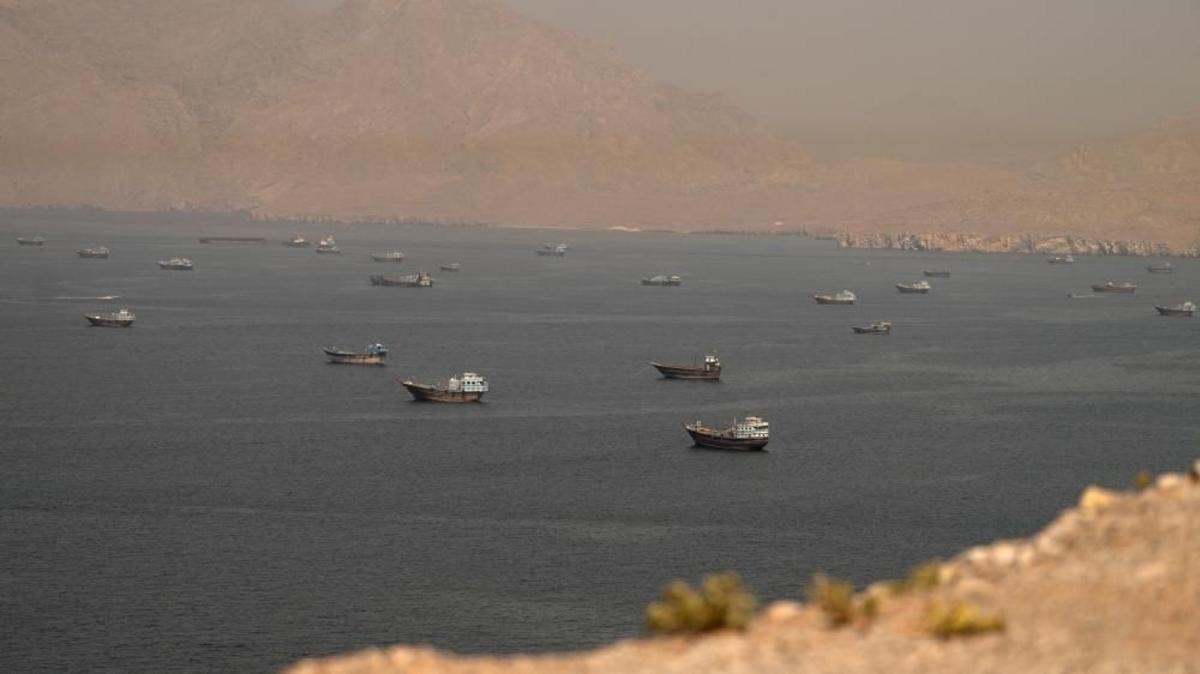
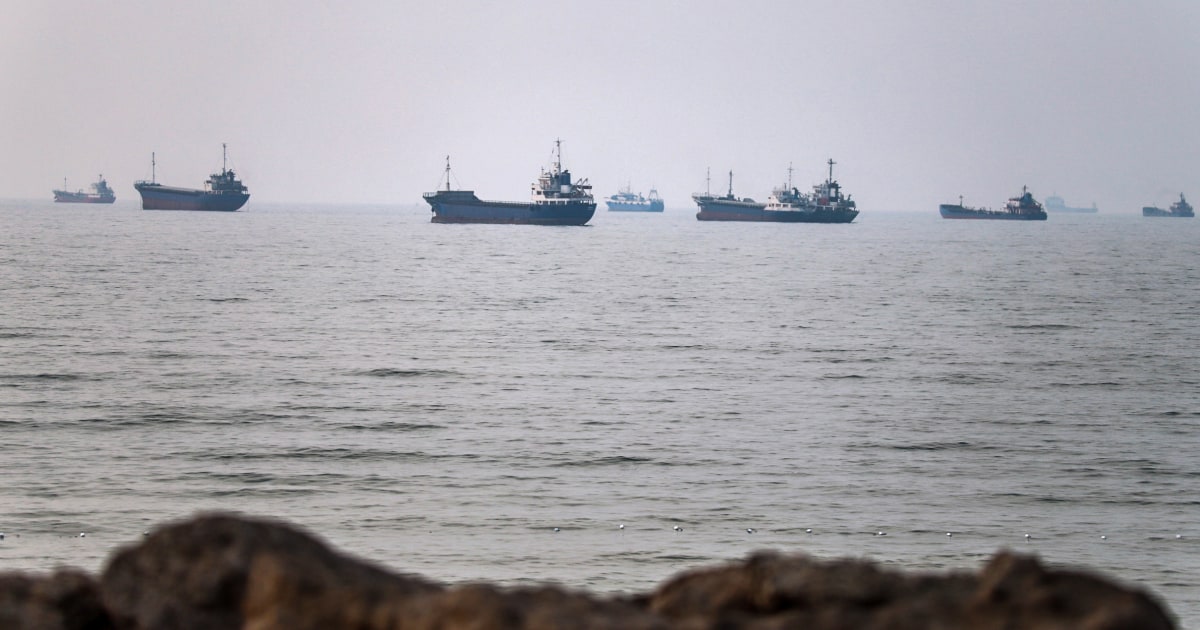
- Iran attacked three commercial tankers flagged to Liberia, Saudi Arabia, and the Marshall Islands in the Strait of Hormuz, with one LNG tanker off Oman catching fire after Iranian state TV said it 'ignored warnings' — though Iran did not directly claim any of the assaults.
- The US Treasury revoked its temporary sanctions waiver allowing Iranian oil sales on the global market effective immediately, requiring all production, delivery, and sale to wind down by July 17 — nearly five weeks earlier than the original Aug. 21 deadline.
- Oil prices surged from around $69 to nearly $73 per barrel on the latest developments, reversing weeks of relative calm in energy markets as traders reacted to renewed Gulf escalation.
- Trump's envoys Steve Witkoff and Jared Kushner traveled to Doha, Qatar, last week but did not meet directly with Iranian negotiators who were also in Doha; talks were paused through Thursday for a multi-day funeral procession for slain Supreme Leader Ayatollah Ali Khamenei, whose successor Mojtaba Khamenei has not appeared publicly since assuming the role in March.
- Iran's Parliament Speaker Mohammad Bagher Ghalibaf wrote on X that 'the era of bullying and extortion is over,' signaling Tehran's hard-line posture as the war — which began with US-Israeli strikes in February — grinds past five months without a diplomatic resolution.
Why it matters: With oil prices jumping from $69 to $73 per barrel and the US revoking Iran's oil-sale waiver on a July 17 wind-down deadline, the economic and military stakes escalate on the same day both sides traded direct strikes on each other's bases. Iran's new supreme leader has not appeared publicly since March, and Doha talks never got Iranian and American envoys in the same room — leaving no clear diplomatic off-ramp before another round of escalation.
Ask SkimNews