Turmeric-Ginger Coating Kills 92% of Implant Bacteria — SkimNews

Get the Health newsletter
Daily health & science — research, biotech, public health, the studies worth knowing. Free.
- Washington State University researchers (Susmita Bose, Amit Bandyopadhyay, and team) found that a ginger and curcumin extract coating on titanium implants roughly doubled bone-bonding within six weeks of surgery.
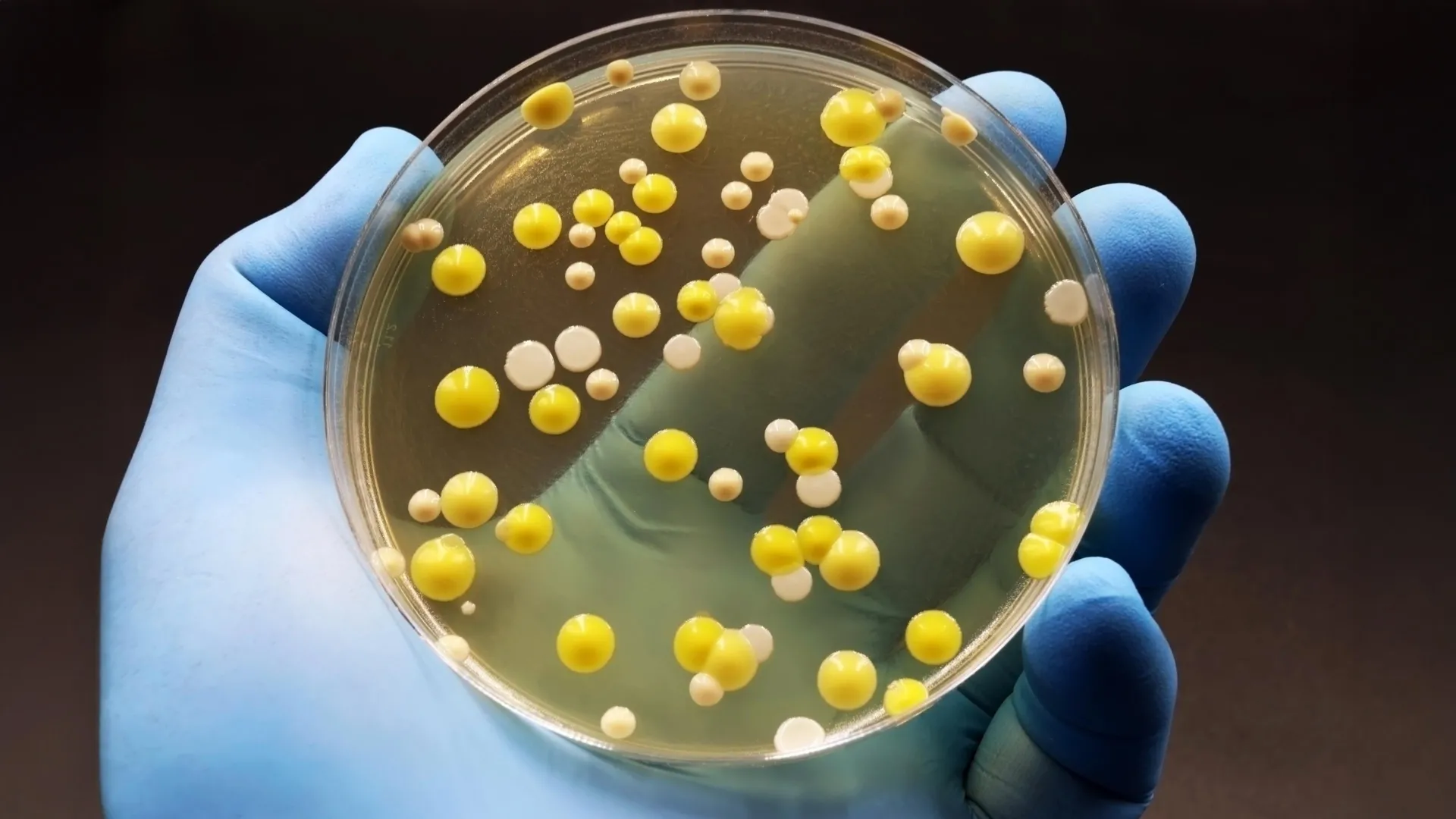
- The same extract killed 92% of bacteria on implant surfaces in testing, targeting an infection problem that contributes to roughly one-third of failed implant cases.
- The coating reduced osteosarcoma (bone cancer) cells by 11-fold compared to untreated controls, the most prevalent bone malignancy in pediatric and young-adult patients, where residual cancer cells can persist even after surgery and chemotherapy.
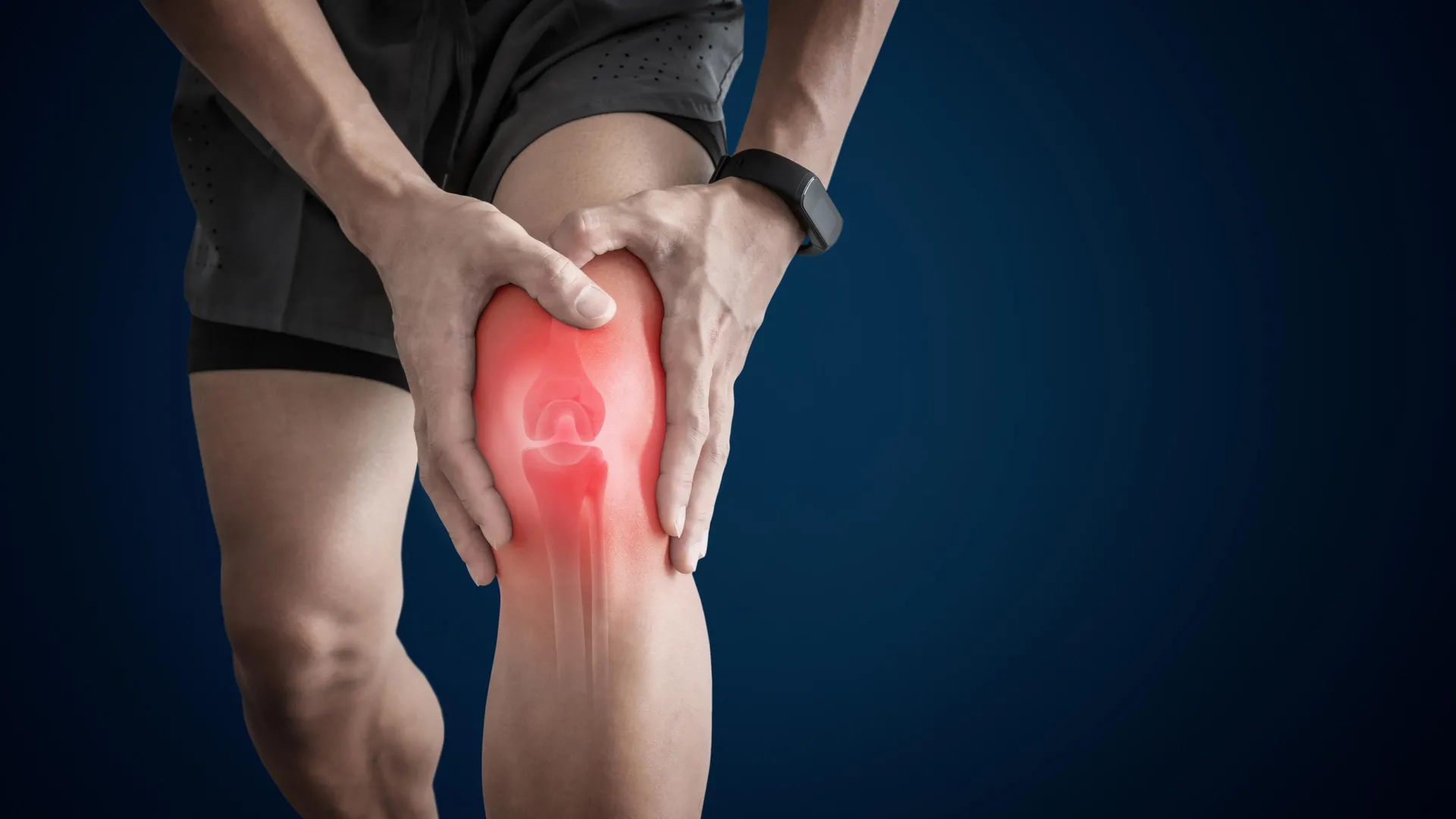
- Roughly 7 million Americans live with metal hip or knee replacements, and a significant portion of those implants must be repaired after failing to bond with existing bone — a problem Bose said often requires removal of the implant since "there is no other way of fixing bone in patient's body."
- The study, published in the Journal of the American Ceramic Society, tested the extract both in vitro and on femur implants in rats, building on the team's earlier work using 3D printing to manufacture bone implants.
- Bose framed the work as marrying traditional naturopathic medicine with cutting-edge biomedical devices: "Basically, I say it's combining the best with the latest. The best part is from the food, and the latest aspect comes from the biomedical device."
- First author Arjak Bhattacharjee, a WSU Ph.D. graduate now at New Mexico Tech, led the paper alongside co-authors Ujjayan Majumdar and emeritus veterinary medicine professor William Dernell.
Why it matters: With roughly 7 million Americans carrying metal hip or knee replacements and infection implicated in about a third of implant failures — failures that often require surgical removal — a food-derived coating that simultaneously fights bacteria, boosts bone bonding, and attacks residual cancer cells could meaningfully reduce revision surgeries and the associated health and financial burden on the 7-million-patient implant population.
Ask SkimNews