US, Philippines Launch Largest Balikatan Drills With New Allies — SkimNews

Get the Geopolitics newsletter
Daily geopolitics — wars, elections, sanctions, the diplomatic moves that move markets. Free.
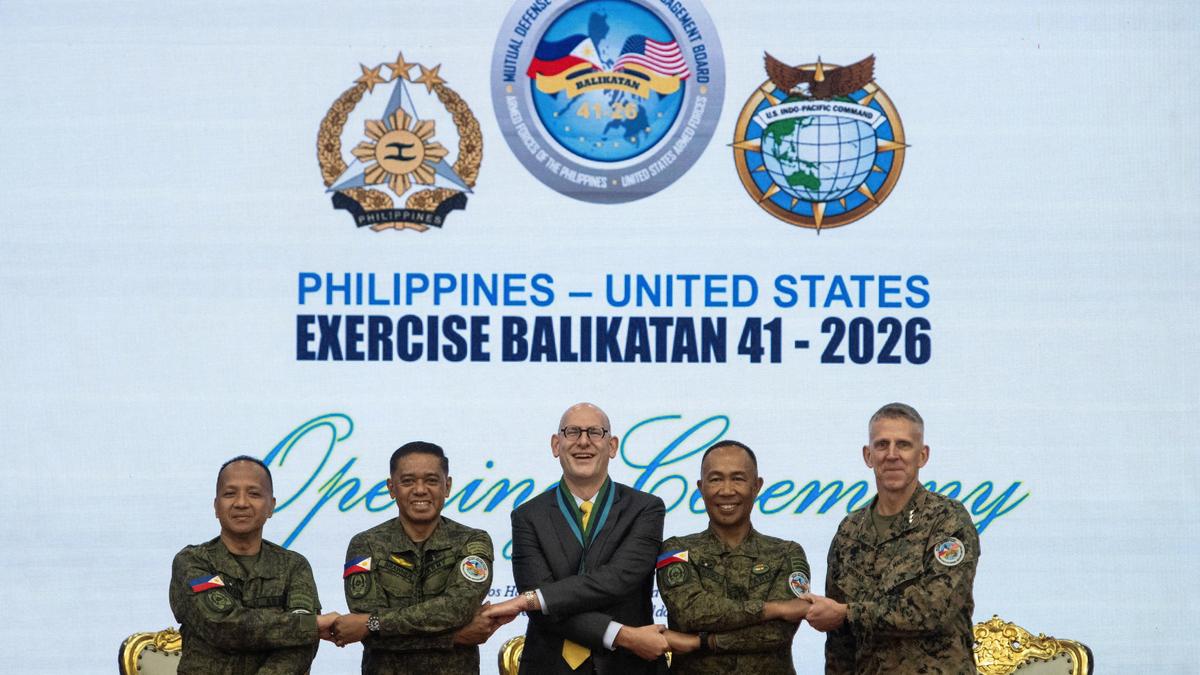
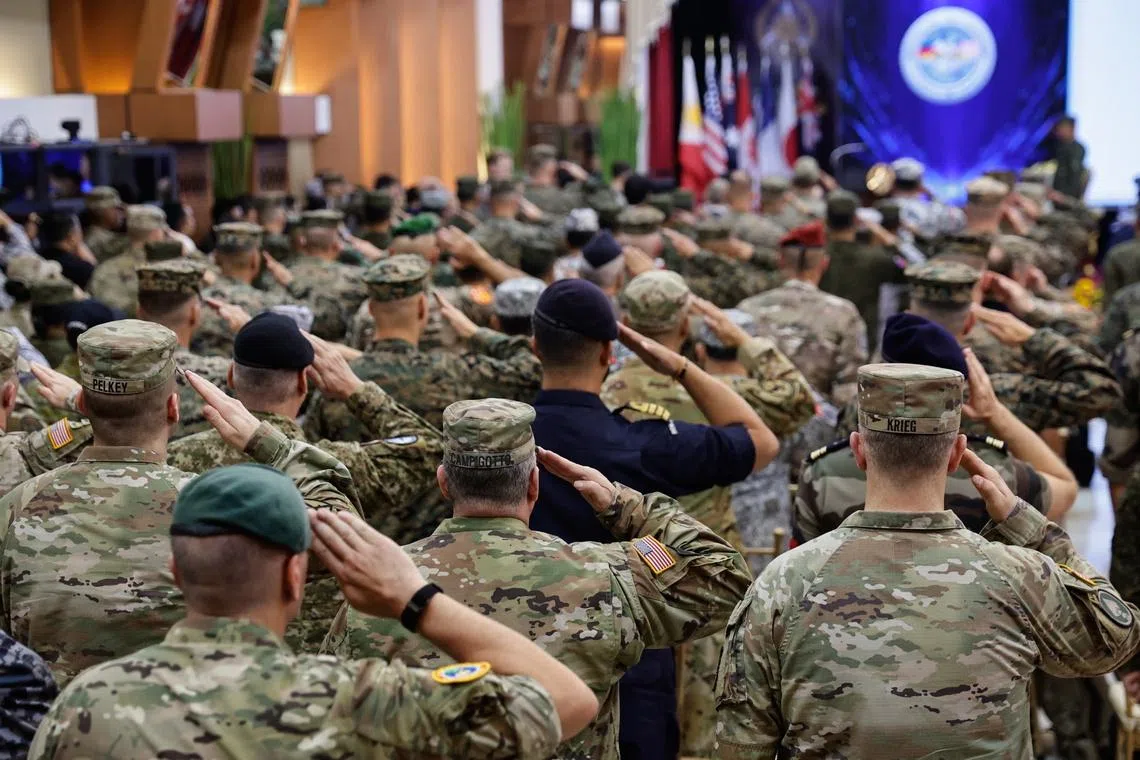
- Balikatan exercises opened April 20 and run through May 8, drawing more than 17,000 troops including roughly 10,000 Americans, even as Washington remains heavily engaged in the Middle East.
- Japan, Canada, France and New Zealand joined as active participants for the first time alongside returning Australia, making this the largest Balikatan ever by participating nations, according to the report.
- Maritime strike drills will be held on Itbayat, the northernmost Philippine island about 155 km from Taiwan — a first for that location — while counter-landing live-fire drills will run in Zambales province, roughly 230 km from China-controlled Scarborough Shoal.
- Newly acquired Philippine BrahMos missiles and Japan's Type 88 anti-ship missile will be used in a live-fire sinking drill as part of integrated air and missile defence and multinational maritime operations.
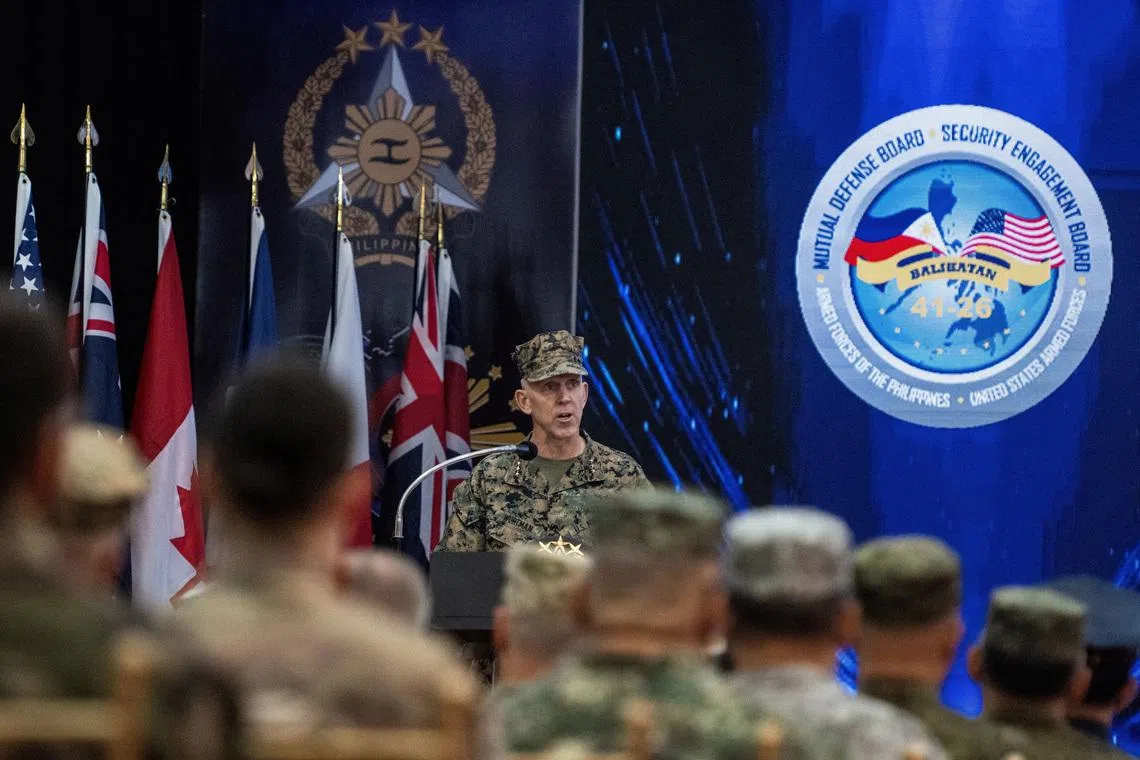
- Philippine armed forces chief Romeo Brawner framed the drills as testing readiness under "real-world conditions" across the archipelago's breadth, while U.S. Marine Lt. Gen. Christian Wortman said Balikatan had "no target nation" in mind.
- China's foreign ministry spokesperson Guo Jiakun warned that countries "persisting in tying themselves together on security" would "set themselves on fire and backfire," reiterating Beijing's pattern of criticizing allied exercises in the region.
Why it matters: Manila is now anchoring the Indo-Pacific's most diversified allied exercise — a lineup that grew from two to six active partner nations this year — while staging sinking drills and amphibious operations on terrain deliberately chosen for proximity to Taiwan and the South China Sea. The expansion gives the Philippines a credible multilateral deterrent signal without a U.S. troop increase, even as Washington's attention is split with the Middle East.
Ask SkimNews