The future of commuter rail could be taking shape in Boston — SkimNews
Get the Energy newsletter
Daily energy & climate — solar, EVs, oil, the policy fights and tech bets shaping the transition. Free.
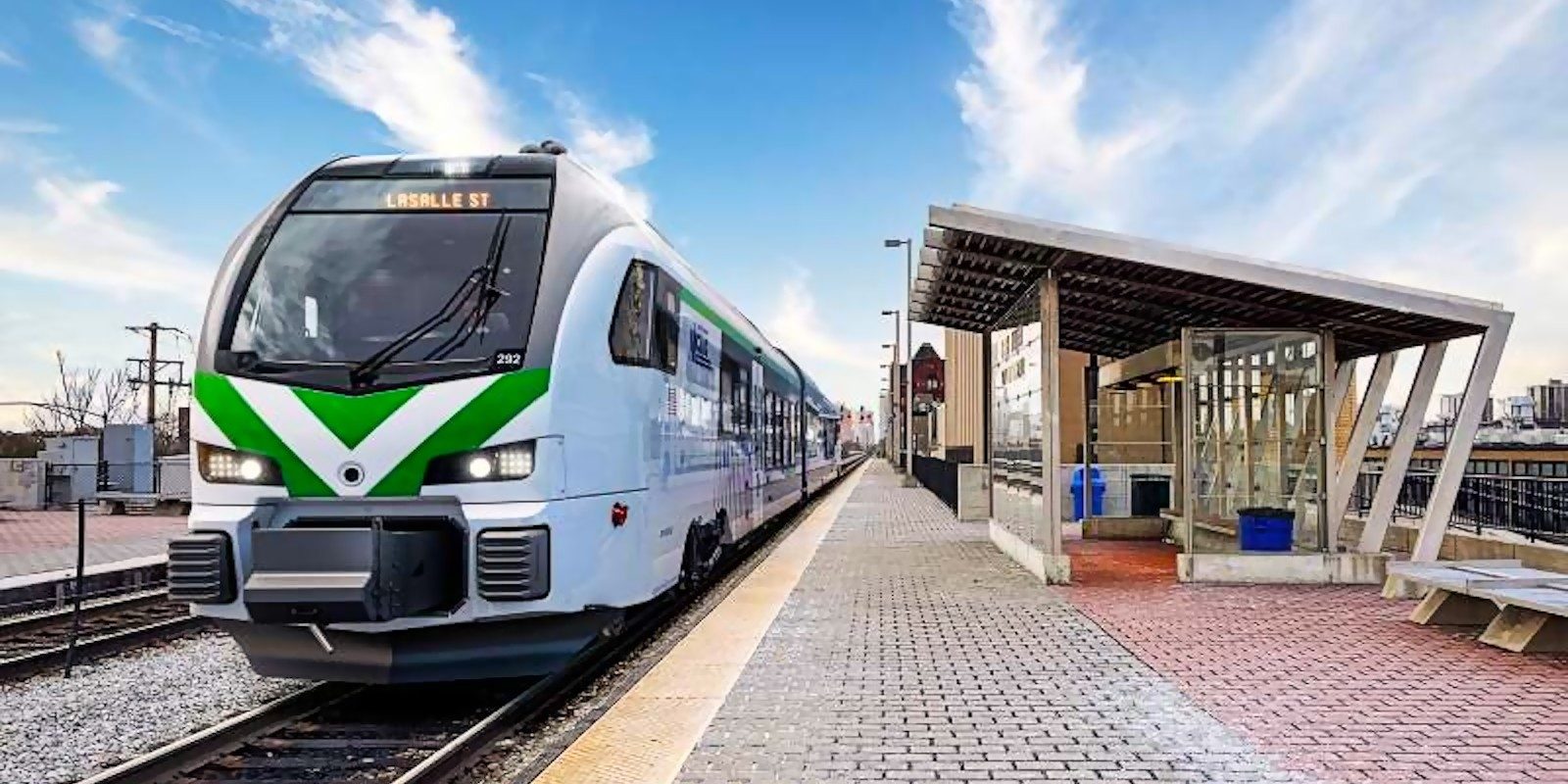
- The MBTA plans to lease seven four-car battery-powered trains from Swiss manufacturer Stadler in a 15-year, $765 million deal to electrify the 10-mile Fairmount Line, with service slated for 2030 and the arrangement letting the agency evaluate the technology before wider adoption.
- Marvin Martin, who retired as head of the advocacy group Action For Equity, began pressuring the T in 1995 to add stops and electrify the Fairmount Line, which he said passed through communities of color "without stopping"; the agency added three Dorchester stops in 2012–2013 and a Mattapan stop in 2019.
- The battery-powered trains will boost stop frequency along the route from every 30 minutes to every 20 minutes and save 17,700 tons of carbon dioxide emissions annually compared to the diesel trains they replace, according to the T.
- Caltrain replaced diesel trains with catenary-powered electric ones on its 51-mile San Francisco-to-San Jose route in 2024, and UC Berkeley environmental engineer Joshua Apte found commute times dropped as much as 23%, ridership climbed 60%, and riders' exposure to black carbon fell 89%.
- Chris Friend, interim executive director of TransitMatters, called the Fairmount line a logical starting point as the T's shortest commuter route, but warned that battery-powered trains "have not yet been widely used on busy routes anywhere in the world" and questioned whether the technology can deliver at scale.
- Alstom is already running battery-powered trains on a 50-mile German route that carries 2 million people annually, and the company's Americas VP Dani Simons said the MBTA is diversifying further with plans to deploy both battery and catenary trains on its Providence Line.
Why it matters: Boston's $765 million Stadler deal is the first live U.S. test of battery trains on a busy commuter route at scale. Caltrain's catenary conversion showed the potential payoff — 60% ridership gain and 89% drop in riders' black-carbon exposure — and the Fairmount Line will show whether diesel-dependent agencies, from Chicago's Metra to the MBTA's own Providence Line, can electrify without the cost of overhead wires.
Ask SkimNews