Bangladesh Slams India Over Hasina's Delhi Remarks — SkimNews

Get the Geopolitics newsletter
Daily geopolitics — wars, elections, sanctions, the diplomatic moves that move markets. Free.
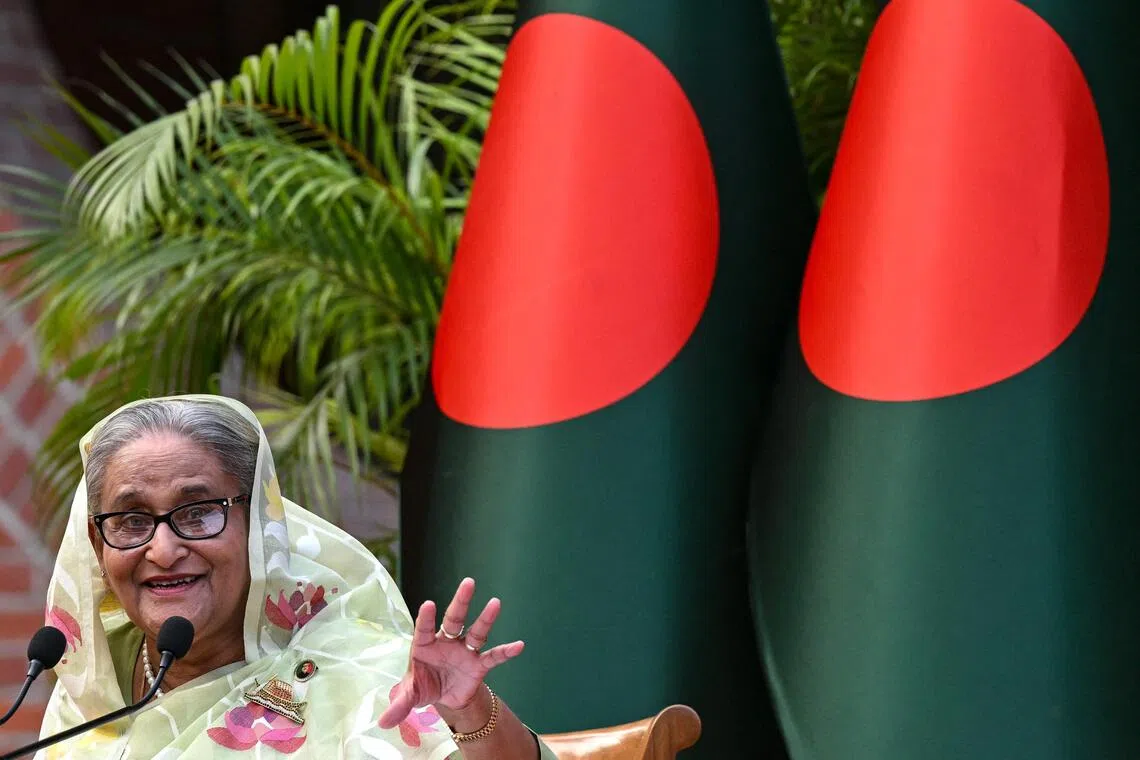
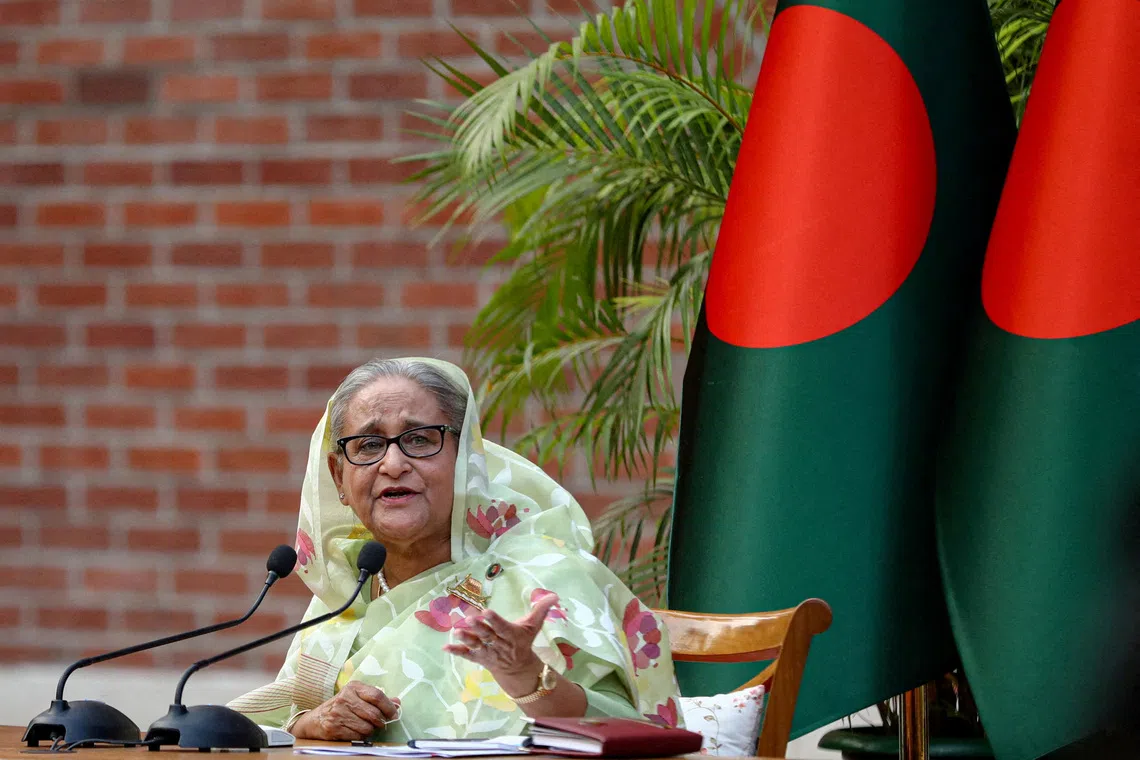
- Bangladesh's Foreign Ministry issued a strongly worded statement against India on Wednesday night after former PM Sheikh Hasina addressed supporters and the media from New Delhi on the second anniversary of the July-August 2024 movement that ousted her.
- The statement labeled Hasina an "absconding convicted genocider" and "convicted mass murderer" and accused New Delhi of allowing her to use Indian soil to launch "venomous vitriol" against Bangladesh.
- The Foreign Ministry replaced the phrase "July Uprising" with "July Revolution," elevating the 2024 events from a political episode to a defining moment in Bangladesh's contemporary statehood and a foundation for its diplomatic narrative.
- The statement explicitly rejected the notion that Bangladesh could ever again be a "client State," while repeatedly invoking "sovereign equality," "mutual respect," "non-interference," and "national dignity" as guiding principles for ties with India.
- Dhaka linked the episode to India's failure to respond to repeated extradition requests for Hasina under the 2013 Extradition Treaty, placing responsibility not only on Hasina but on India for providing her political space.
- India maintained that the program was organized by a private entity and that the government neither organized nor endorsed the event or the views expressed there.
- The Tarique Rahman-led Bangladesh Nationalist Party government framed the post-2024 political order as the basis for a more assertive foreign policy identity, while still reiterating its desire for a "constructive, mutually beneficial" relationship with India.
Why it matters: Bangladesh, now under the Tarique Rahman-led BNP government, is signaling to New Delhi that the Hasina question is inseparable from the bilateral relationship: Dhaka linked the Delhi media appearance to India's failure to act on 2013 Extradition Treaty requests, and its new use of "July Revolution" reframes 2024 as a sovereignty-restoring transformation. Practical cooperation in trade, connectivity, and security will likely continue, but political trust between the two neighbors has entered a more difficult phase.
Ask SkimNews