US Mining Law Skips Tribal Consent; NZ, Norway, Canada — SkimNews

SkimNews Take
US market strength has likely blunted pressure to modernize a 19th-century mining framework, even as peer democracies have already updated extraction rules to require Indigenous consent.
Get the Energy newsletter
Daily energy & climate — solar, EVs, oil, the policy fights and tech bets shaping the transition. Free.
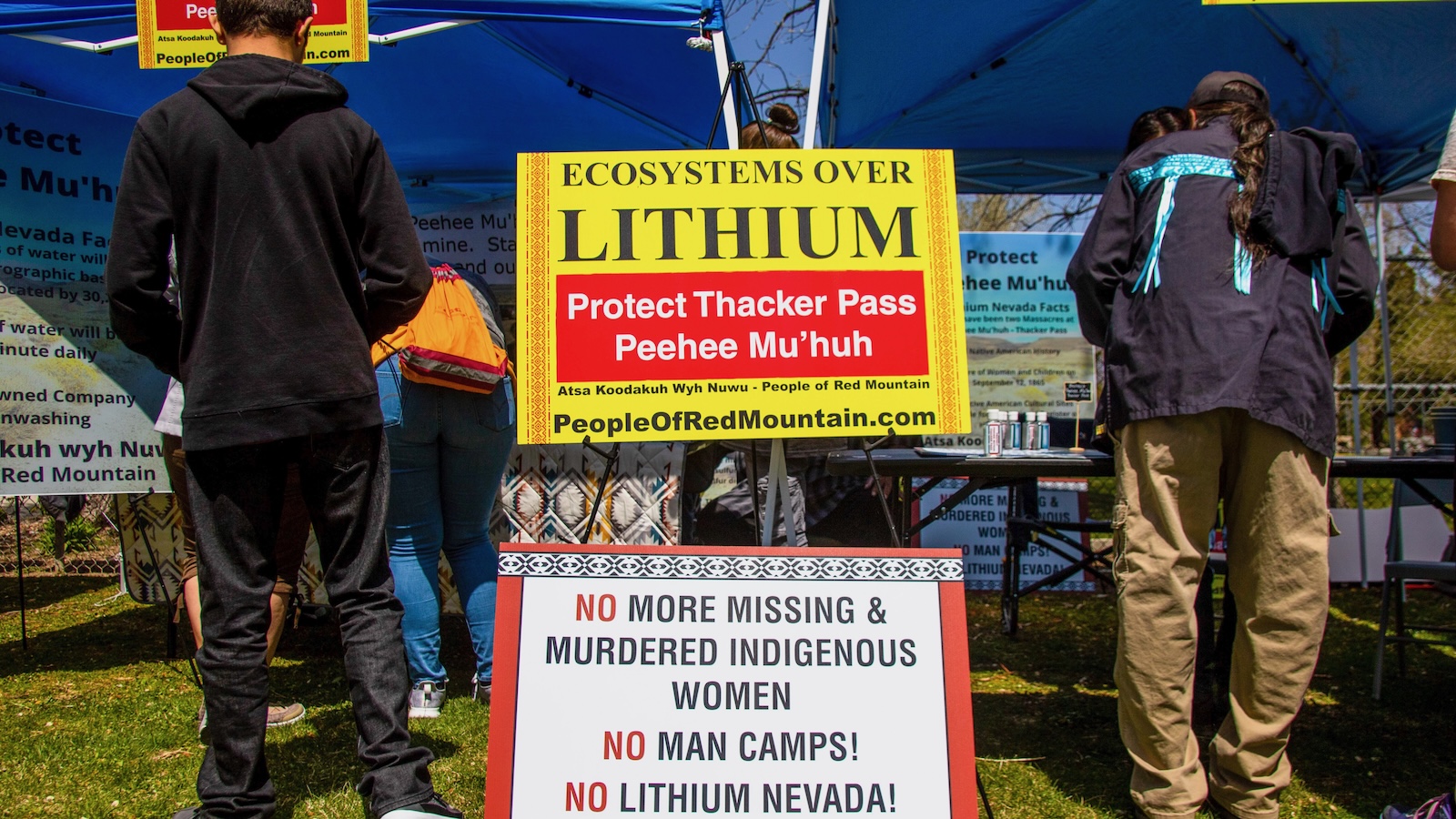
- U.S. relies on a 19th‑century mining law that does not require federal consultation with tribes before approving projects on ancestral lands.
- New Zealand has a commission since 1975 that has negotiated roughly 100 settlements with Māori iwi, including land transfers, cultural site recognition, and co‑management agreements.
- Norway ratified ILO 169 and, in 2005, transferred control of about 95 % of a county—roughly 17,760 sq mi—to a co‑managed estate with the Sámi, and its Supreme Court recently blocked a wind project that threatened Sámi reindeer herders.
- Canada mandates “meaningful consultation” and “accommodation” before mining can proceed, and recent court rulings are testing whether this duty applies before mineral claims are even granted.
- British Columbia codified consultation obligations into law in 2019, strengthening Indigenous input on provincial mining projects.
Why it matters: U.S. Native American tribes lose the chance to secure royalties comparable to the 100 settlements New Zealand iwi have earned, potentially forfeiting billions in revenue and inviting costly litigation.
Ask SkimNews