US Allies Fear Trump May Trade Taiwan for China Concessions — SkimNews
Get the Geopolitics newsletter
Daily geopolitics — wars, elections, sanctions, the diplomatic moves that move markets. Free.
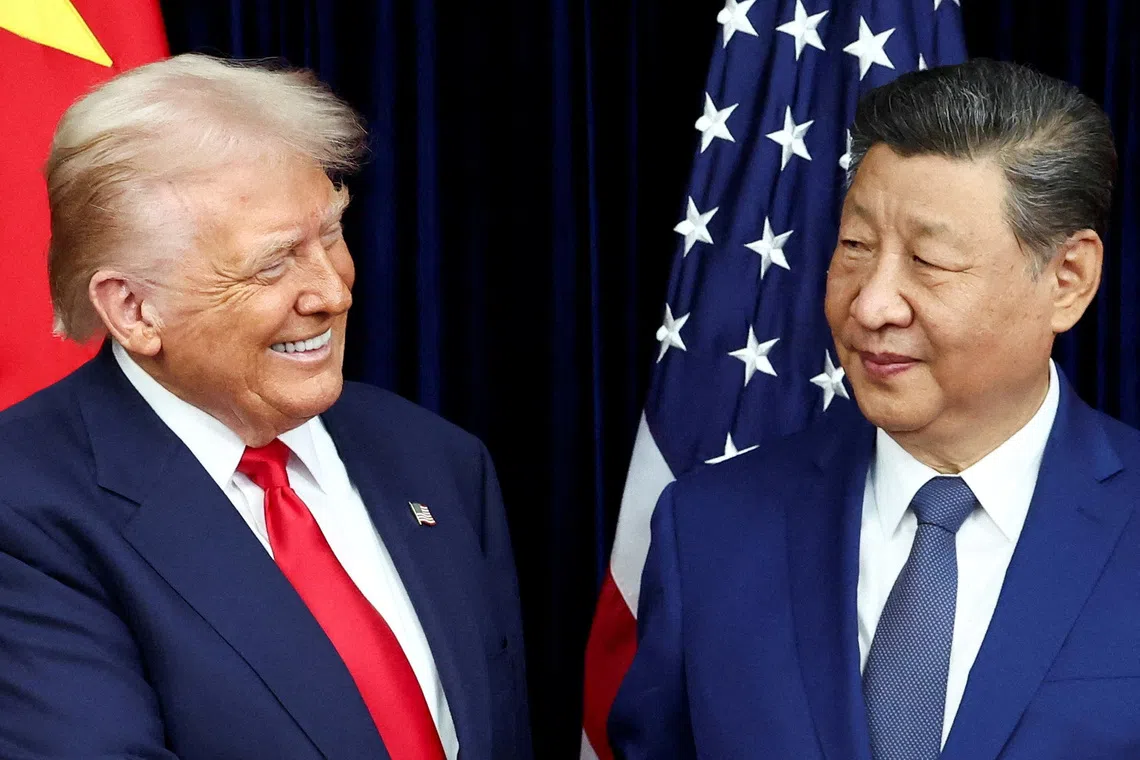
- US allies in Japan and Taiwan are urgently lobbying Trump ahead of his Sept 24 summit with Xi Jinping, fearing he may soften Washington's Taiwan stance in exchange for economic concessions from Beijing.
- Trump described US arms sales to Taiwan as a "negotiating chip" in May, and a US$14 billion arms package has been awaiting his approval for months, with China pressing Washington to take its objections to those sales seriously.
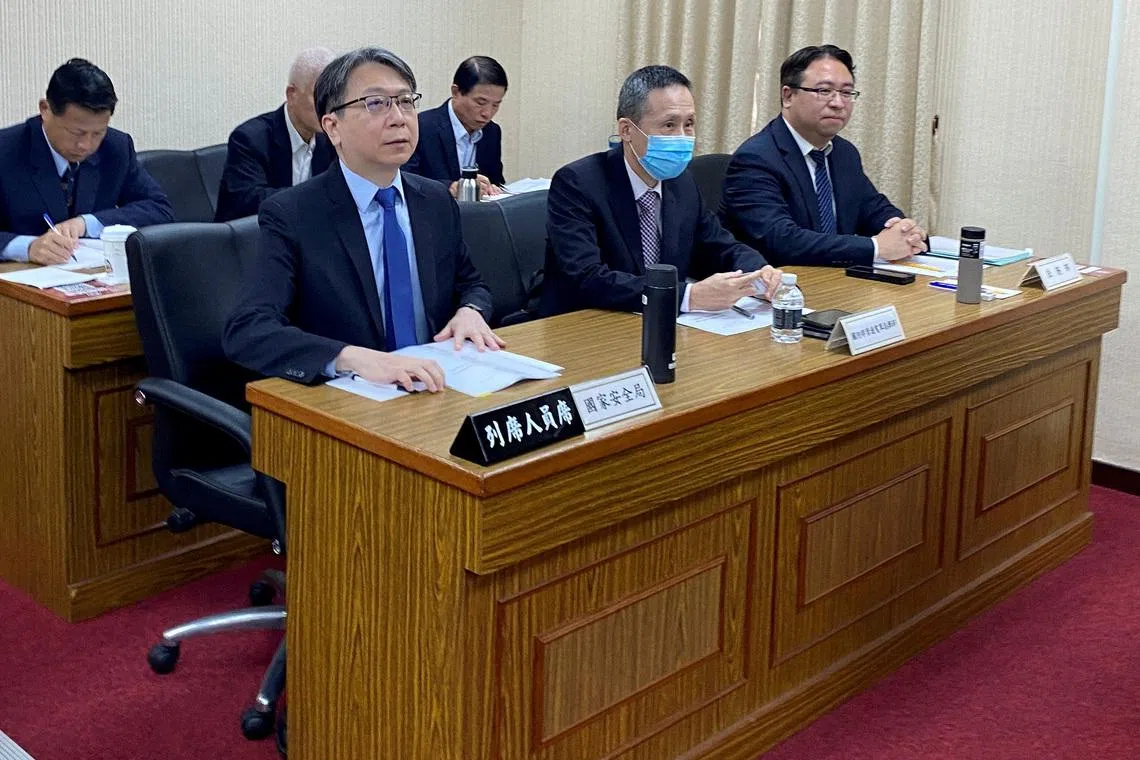
- Taiwan's Foreign Minister Lin Chia-lung said on Sept 15 he expects Xi to raise Taiwan at the summit, while a senior Taiwanese official told reporters in Taipei: "We hope... there will be no situation that harms Taiwan."
- Japan's leader Sanae Takaichi, who angered Beijing by saying Tokyo could be drawn into a Taiwan conflict in 2025, sent a senior foreign ministry official to Washington last week to try to secure a meeting with Trump, most likely at the UN General Assembly.
- Two senior Japanese ruling party lawmakers said Tokyo's biggest fear is that Trump signals a softer Taiwan line to secure Chinese commitments to buy US goods — an economic win he could sell to voters before midterm elections.
- Malaysia's director-general of national security Raja Nushirwan Zainal Abidin warned during a Washington visit that a Chinese invasion of Taiwan would "change the world as we know it," noting Taiwan produces over 90% of the world's advanced semiconductors.
- China's former envoy to Washington Cui Tiankai told a Beijing defence forum on Sept 15 that "reunification" with Taiwan would bring stability "in the interest of the United States."
Why it matters: Japan's biggest fear is that Trump trades rhetorical firmness on Taiwan — or holds up the $14 billion arms package — to clinch a Chinese purchase commitment he can campaign on before US midterm elections. Taiwan produces over 90% of the world's advanced semiconductors, so even a subtle US wording shift risks emboldening Beijing in a dispute that anchors global chip supply.
Ask SkimNews