Asian crude hits $150, pushing bond yields higher — SkimNews
Get the Finance newsletter
Daily finance — markets, central banks, M&A, the prints that move money. Free.
- Oil price split, with Asian spot crude at $150 per barrel and U.S. WTI at $100 per barrel, widening the WTI‑Brent spread to its widest since the 2020 Covid demand shock.
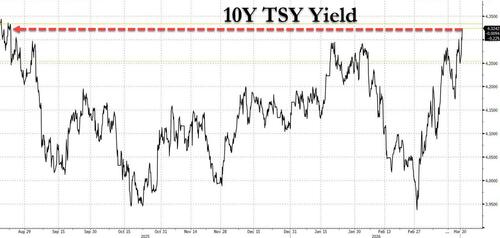
- Bond markets panicked, pushing Australian 2‑year yield to 4.69% and its 10‑year yield to the highest level since 2011.
- Bond markets also saw UK 2‑year gilt yields jump 30 basis points and 10‑year gilt yields rise 11 basis points to 4.84%.
- Central banks (Bank of England and European Central Bank) left policy rates unchanged but signaled readiness to act, with the BoE ready to tighten if inflation pressures intensify and the ECB reaffirming a 2% medium‑term inflation target.
- Saudi Arabia warned oil prices could climb to $180 per barrel if disruptions persist into late April, underscoring the tightness of global oil supplies.
- Australia began buying record volumes of U.S. oil products from ExxonMobil, BP and Vitol, shifting its supply away from Asian refiners amid Gulf cargo losses.
- U.S. allies (Britain, France, Germany, Italy, Netherlands, Japan) issued a joint statement condemning Iranian attacks on oil infrastructure and pledging to ensure safe passage through the Strait of Hormuz.
Why it matters: The surge in Asian crude prices forced bond yields higher, raising financing costs for Australian and UK sovereigns and prompting the BoE and ECB to signal readiness for further tightening, while oil exporters stand to gain from higher prices and tighter supply.
Ask SkimNews