UNIGE MangroveGS AI predicts cancer spread at 80% — SkimNews
Get the Health newsletter
Daily health & science — research, biotech, public health, the studies worth knowing. Free.
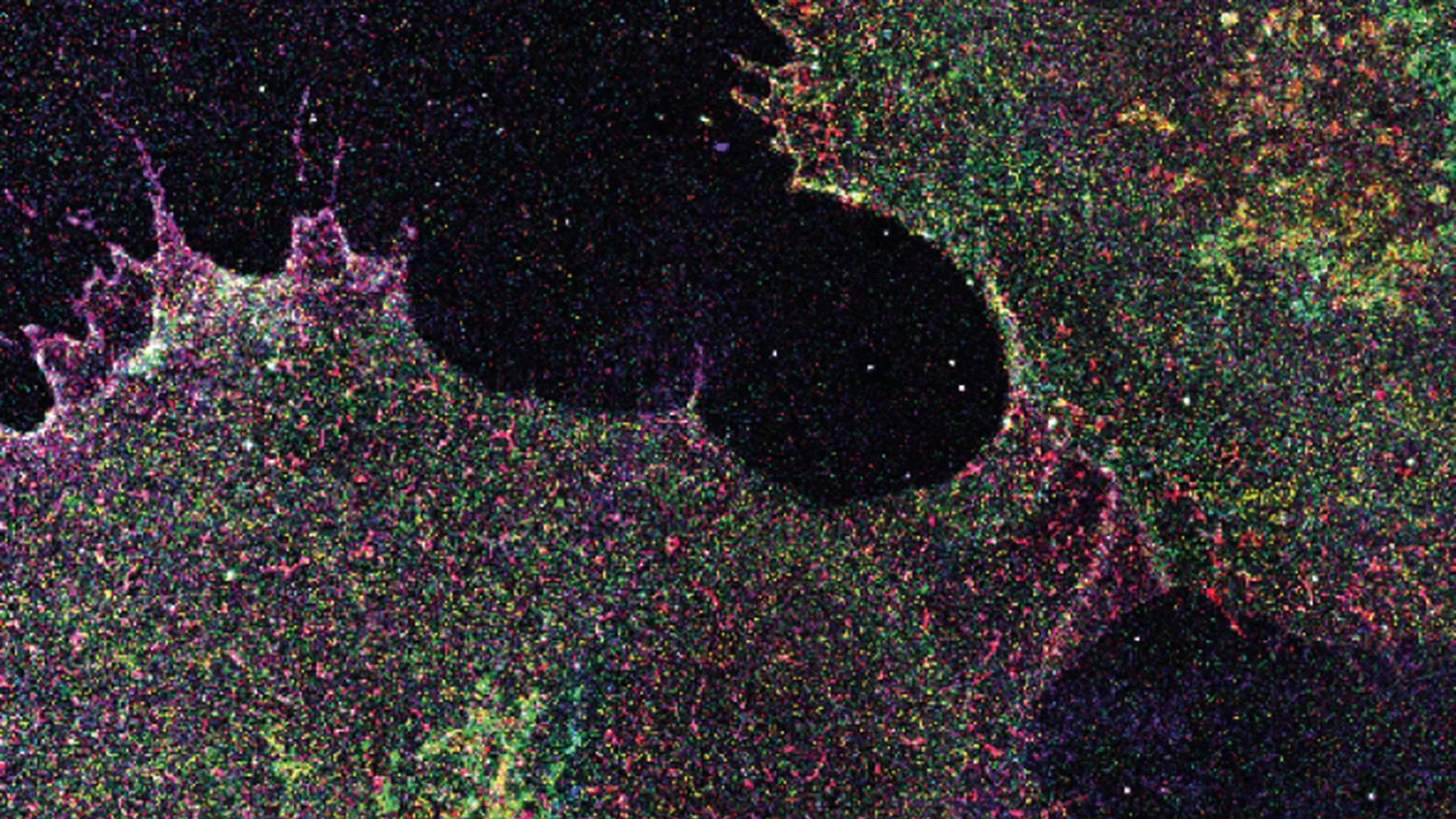
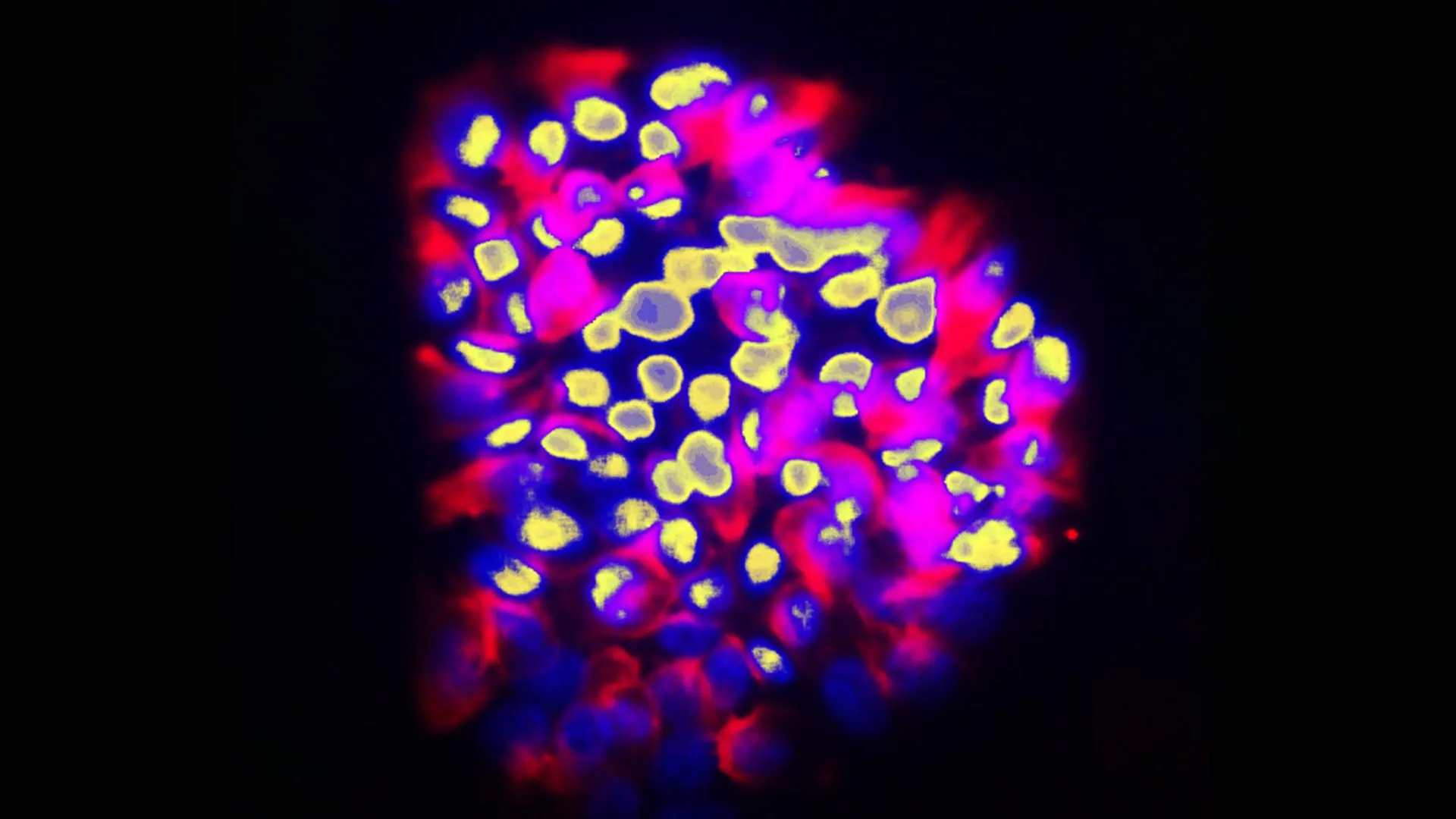
- University of Geneva researchers studied colon cancer cells and identified key factors that influence tumor metastasis.
- Gene expression patterns identified by the researchers can be used to estimate the risk of tumor spread.
- MangroveGS AI tool converts genetic signals into predictions of metastasis risk across multiple cancer types.
- MangroveGS predicts cancer spread with about 80% accuracy, according to the study.
- Cell Reports published the study, which suggests the tool could enable more personalized treatments and help discover new therapeutic targets.
- Ariel Ruiz i Altaba explained that cancer follows structured biological rules and that understanding these rules is key to identifying metastasizing cells.
Why it matters: Patients with colon and other cancers gain a more precise assessment of metastasis risk, enabling clinicians to tailor therapies and potentially reduce overtreatment, while researchers obtain a new avenue for identifying therapeutic targets. This could also accelerate drug development pipelines by highlighting gene expression patterns linked to spread, giving biotech firms a clearer roadmap for targeted interventions.
Ask SkimNews