Rumbling trucks, busy border crossing: How China feeds Vietnam’s factory boom — SkimNews
SkimNews Take
Rising intermediate-goods exports to Vietnam suggest China's manufacturing base is decentralizing into a regional network—feeding components to Vietnamese final-assembly for global brands—where surging cross-border volumes may reflect structural reorganization rather than uniform domestic strength.
Get the Geopolitics newsletter
Daily geopolitics — wars, elections, sanctions, the diplomatic moves that move markets. Free.
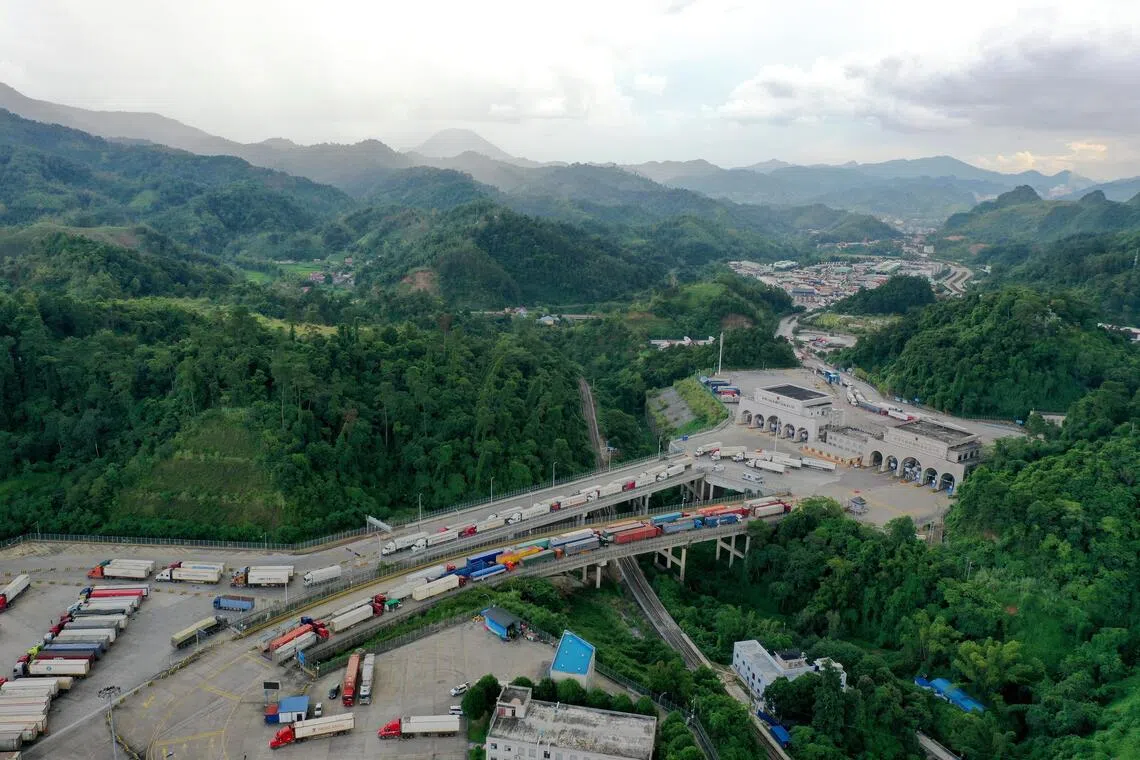
- Friendship Pass border crossing saw two-way China-Vietnam trade reach 305.6 billion yuan (S$58 billion) in H1 2026, up 28.3% year-on-year, with one logistics warehouse growing 17-fold since 2021 to handle the surge
- China's goods exports to Vietnam hit US$198.11 billion in 2025, up 22.4% year-on-year and more than double 2019 levels; Vietnam was China's largest intermediate goods market at US$41.2 billion in 2023
- Vietnam's wage advantage — minimum monthly wage of 5.3 million dong (S$260) undercuts Guangdong's 1,750-2,520 yuan, drawing Chinese-linked production for BYD, Foxconn, Nokia and Apple suppliers through Pingxiang
- China's investment footprint in Vietnam includes nearly US$4 billion in 2025 alone (second-largest after Singapore), 6,386 active projects and about US$36 billion in cumulative registered capital
- Vietnam's US trade surplus now exceeds China's and is the largest among American trading partners in H1 2026, after the country received 46% "Liberation Day" tariffs in 2025 that are no longer in effect but could return
- Chinese supply-chain dominance means 70-80% of Southeast Asian components and intermediate machinery still originate in China; even Tier 2-4 suppliers in Vietnam continue importing raw materials across the border
- Friendship Pass infrastructure is being upgraded with a state-media-reported "smart port" for driverless trucks and expanded rail freight capacity to ease congestion from the volume spike
Why it matters: Vietnam's factory boom, fueled by US$198 billion in Chinese goods last year, has made it America's largest trade-surplus partner — inviting fresh US tariff scrutiny after the 46% "Liberation Day" rate lapsed. Chinese control of 70-80% of regional components means Hanoi cannot easily decouple from Beijing despite wanting to.
Ask SkimNews