Noctilucent Clouds: Pollution, Krakatoa, or Climate Change? — SkimNews
SkimNews Take
Noctilucent clouds, once a rare post-volcanic event, now appear regularly due to persistent atmospheric changes from human activity, transforming an unusual natural phenomenon into a recurring indicator of our environmental impact.
Get the Energy newsletter
Daily energy & climate — solar, EVs, oil, the policy fights and tech bets shaping the transition. Free.
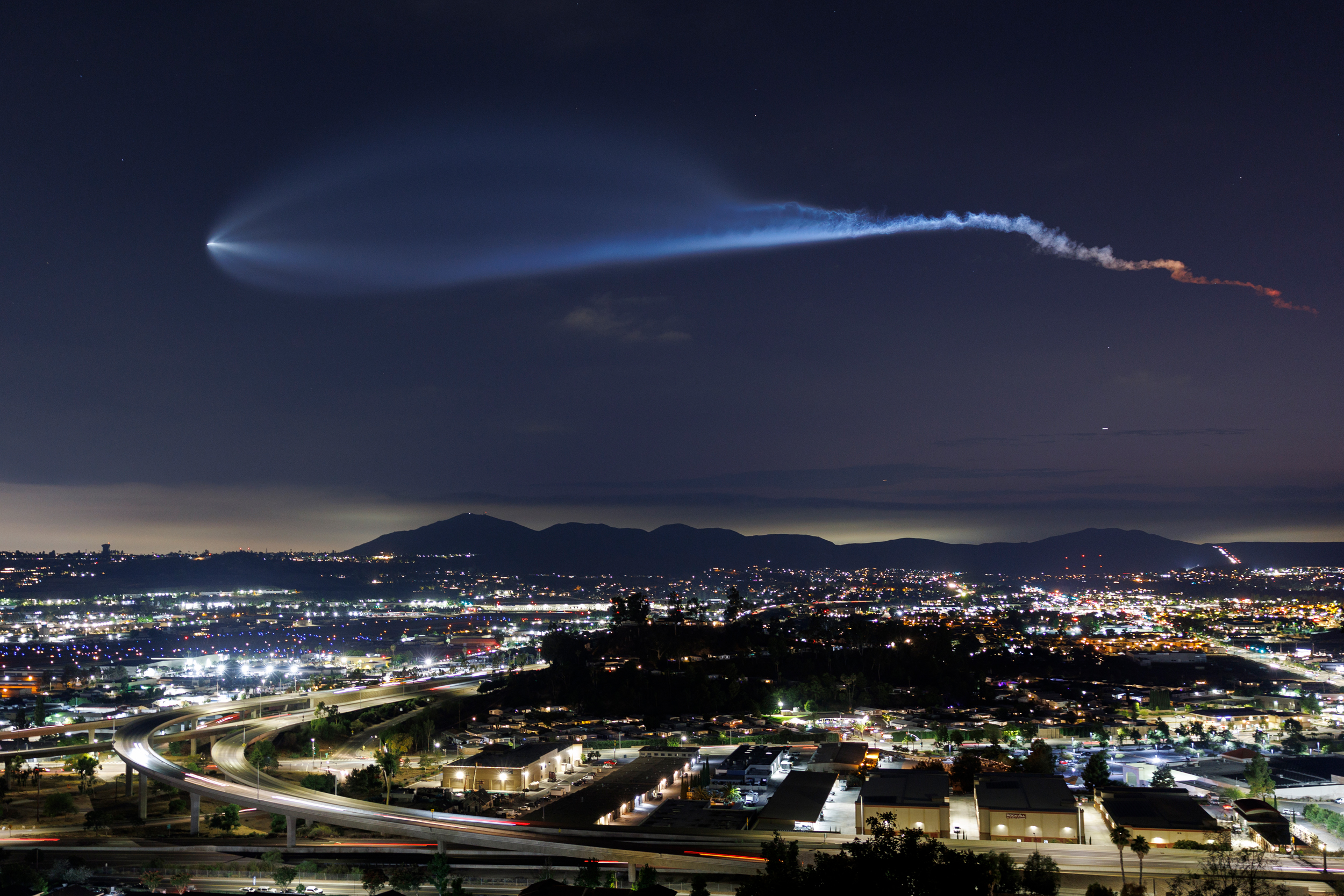
- Noctilucent clouds appear during northern hemisphere summer, glowing electric-blue about 30 minutes after sunset at roughly 80km altitude, making them the highest known clouds in Earth's atmosphere.
- No recorded sightings of these 'night-shining' formations exist before 1885, a puzzle given how visually conspicuous they are.
- Industrial pollution is one leading theory: aerosols accumulating in the late 19th century are thought to have provided surfaces around which water ice could form at the edge of space.
- Krakatoa erupted in 1885, roughly coinciding with the first documented sightings, and some researchers argue the volcanic aftermath seeded the upper atmosphere to enable cloud formation.
- Climate change is a third proposed driver, with scientists contending it pushes extra water vapor into the upper atmosphere where the clouds form.
- Southern hemisphere noctilucent cloud season begins around October, mirroring the northern summer window.
Why it matters: The origin debate matters because the three competing theories — industrial aerosols, the 1885 Krakatoa eruption, and climate-driven water vapor — carry very different implications: a pollutant fingerprint would point to human industrial activity, a volcanic link would point to natural events, and a climate link would make the clouds an emerging sentinel of warming. Resolving which mechanism is dominant shapes how scientists read the upper atmosphere's chemistry and its response to human and geological inputs.
Ask SkimNews