Dollar at 13-Month High, Rally Shows Fatigue — SkimNews

Get the Finance newsletter
Daily finance — markets, central banks, M&A, the prints that move money. Free.
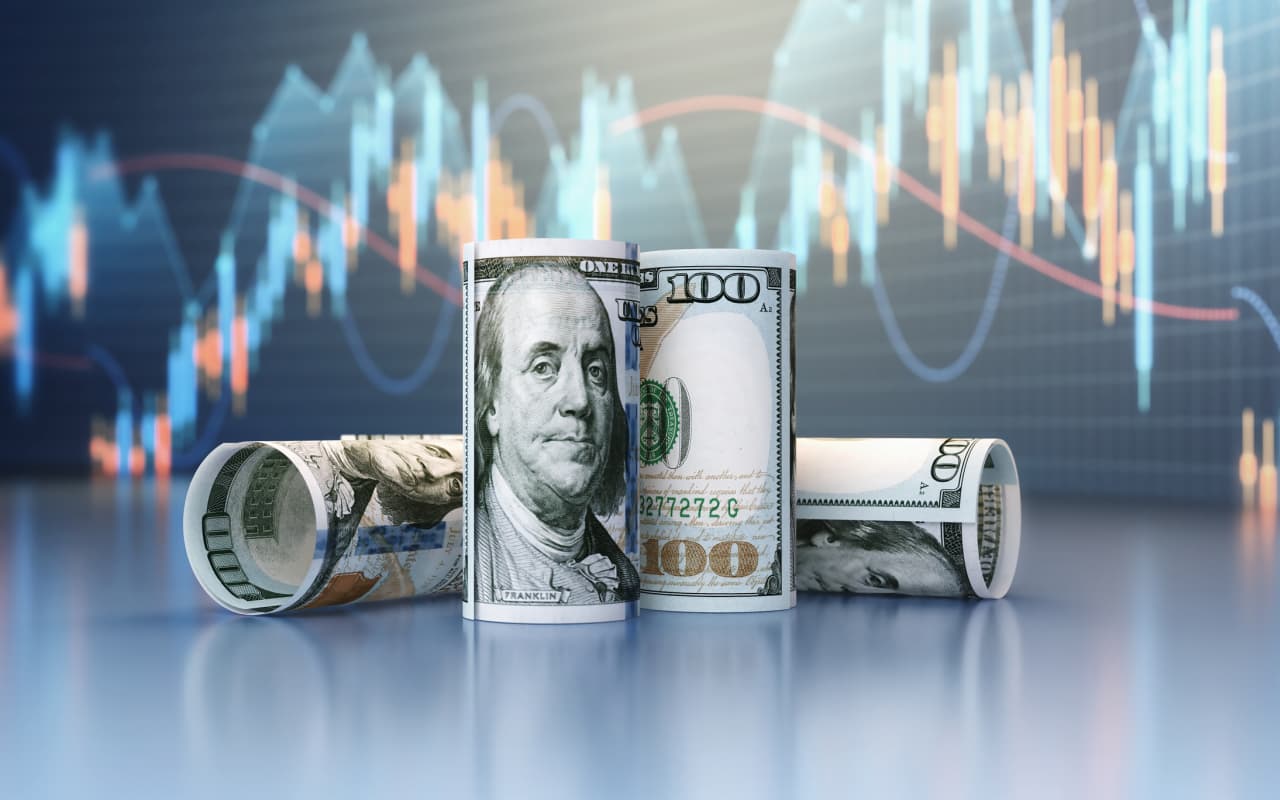
- Dollar index rose to 101.36, putting it on track for a 2.5% June gain — the biggest monthly advance since July last year — even as it edged slightly lower on Monday amid signs of fatigue.
- US-Iran tensions drove safe-haven flows after strikes slowed energy shipping through the Strait of Hormuz; the two sides traded barbs over the weekend before agreeing to halt tit-for-tat attacks and meet in Qatar on Tuesday.
- Oil prices climbed Monday on renewed concerns about Middle East shipping disruptions, stoking inflation pressures that reinforce dollar demand.
- Kevin Warsh's hawkish debut as Federal Reserve chair earlier this month reversed market expectations for rate cuts this year, bolstering the greenback.
- Euro hit a 13-month low against the dollar at $1.1387 and is on track for a 2.3% monthly decline, while the Japanese yen languished at 161.75 near a 40-year low.
- Australian and New Zealand dollars posted steep monthly losses of 4.1% and 5.9% respectively, underscoring broad-based dollar strength against risk-sensitive currencies.
- A tech-led global equity selloff is also funneling flows into the dollar, while investors await this week's U.S. non-farm payrolls data and the ECB forum where Fed Chair Warsh speaks on a policy panel Wednesday.
Why it matters: With Kevin Warsh's hawkish Fed and Middle East tensions simultaneously lifting the dollar, the euro is on pace for a 2.3% monthly drop and the yen sits near a 40-year low — squeezing import-dependent economies and making this week's jobs data the next decisive signal for the Fed's rate path.
Ask SkimNews