Strait of Hormuz Still Closed Despite Ceasefire — SkimNews

Get the Geopolitics newsletter
Daily geopolitics — wars, elections, sanctions, the diplomatic moves that move markets. Free.
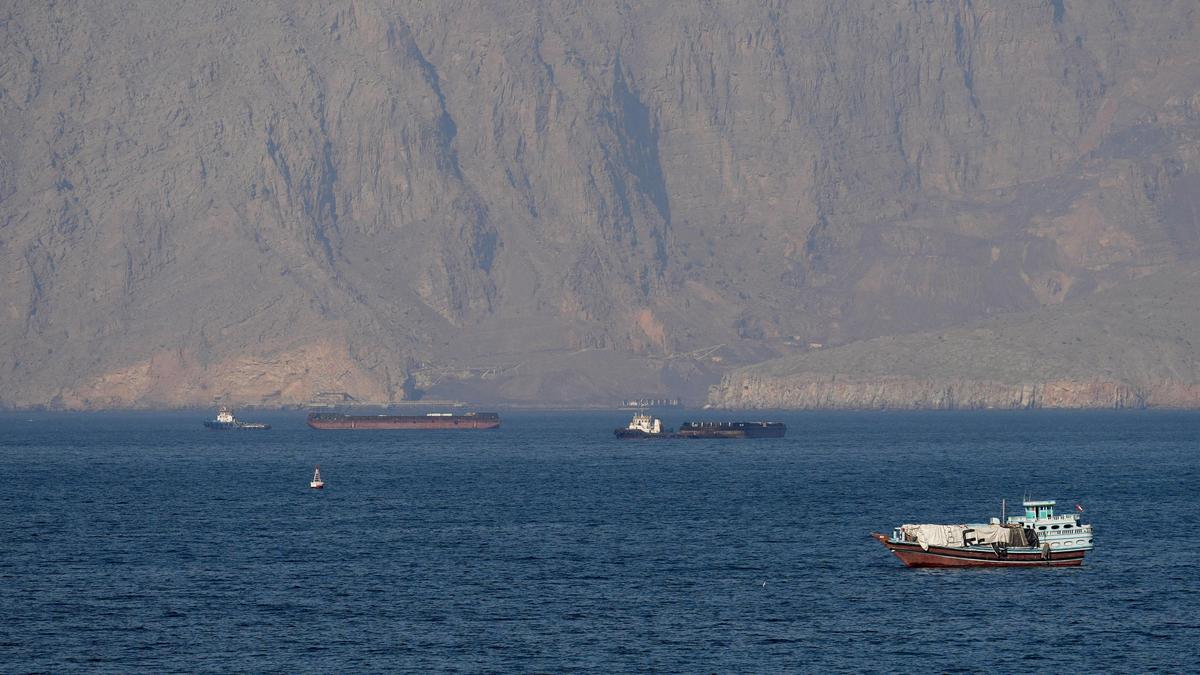
- Sultan Al Jaber stated the Strait of Hormuz is 'not open' and that passage is subject to 'permission, conditions and political leverage' by Iran, demanding unconditional navigation rights for global energy security
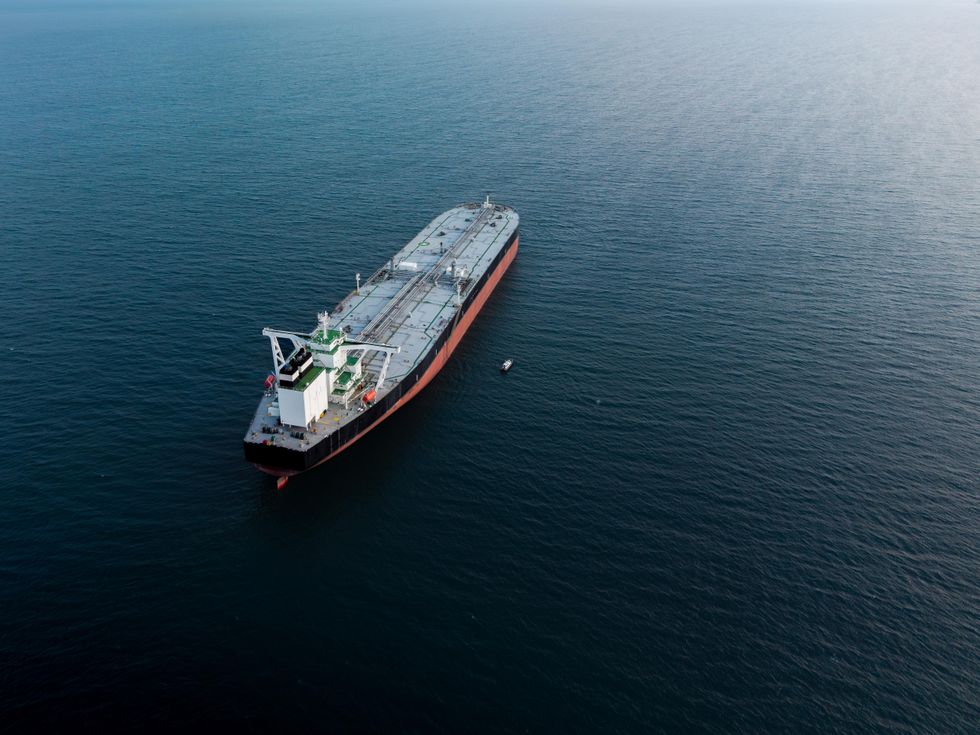
- Adnoc reported an estimated 230 oil-laden vessels are waiting to sail, with Al Jaber emphasizing no country should dictate terms of passage through the strategic waterway
- Iran reportedly proposed allowing Oman to charge up to $2 million per ship to transit the strait under its ceasefire plan, undermining claims of free passage
- Brent crude surged over 4% to above $99 a barrel on Thursday, while U.S. crude hit $102.20, reversing Wednesday’s 13.29% drop, as market confidence in the ceasefire wavered
- Andrew Bailey said the Middle East conflict caused 'much greater market volatility' and personally noted the war has shifted economic incentives toward renewable energy to reduce gas dependence
- U.S., Israel, and Iran exchanged violations and threats after the truce, with Iran halting tanker passage citing Israeli strikes on Lebanon, the Revolutionary Guards vowing a 'regret-inducing response', and Trump warning of unmatched military force if compliance fails
Why it matters: Despite a declared ceasefire, the continued closure of the Strait of Hormuz disrupts 20% of global oil flows, trapping 230 loaded vessels and pushing Brent crude to near $100—a $5 swing in two days—while political conditions on transit expose the fragility of energy security and the limits of diplomatic agreements under military duress.
Ask SkimNews