India Sends 100+ Deep-Tech Startups to Nice Pre-G7 — SkimNews
Get the Tech newsletter
Daily tech — startups, AI labs, chips, the launches that shape the next decade. Free.
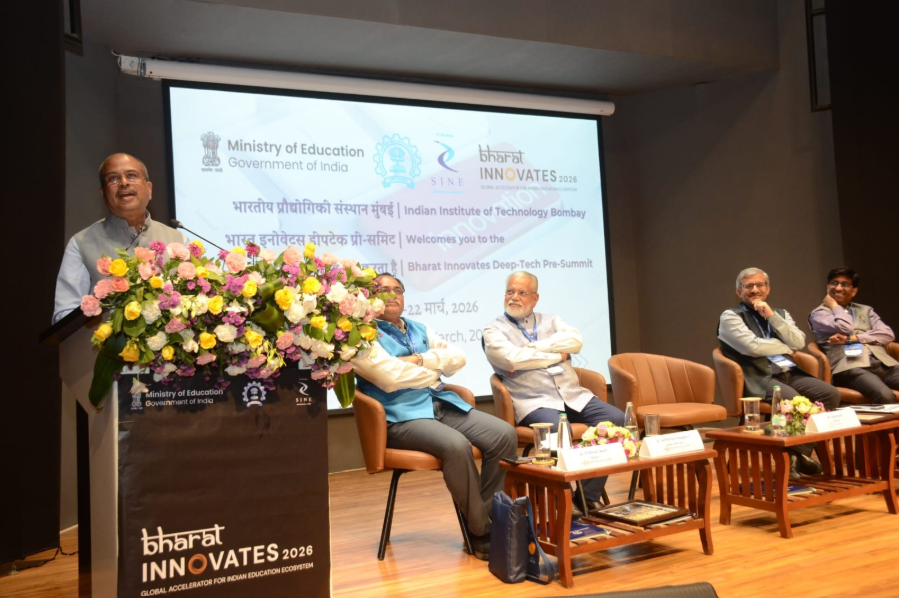
- Bharat Innovates will take 100–120 of India's best deep-tech startups to Nice from June 14–16, one day before the G7 summit, with PM Modi expected to inaugurate the event announced by President Macron during his February 17 Mumbai visit
- Agnikul Cosmos built the world's first 3D-printed single-piece semi-cryogenic rocket engine, and when the team presented it to PM Modi, his first question was reportedly: "Have you patented it?"
- Of 1,800+ applicants, 1,182 reached final stages; selection is being led by the Principal Scientific Adviser alongside experts from DST, DBT, and the investment community, with the cohort spanning 13 sectors including semiconductors, AI, space, defence, and critical minerals
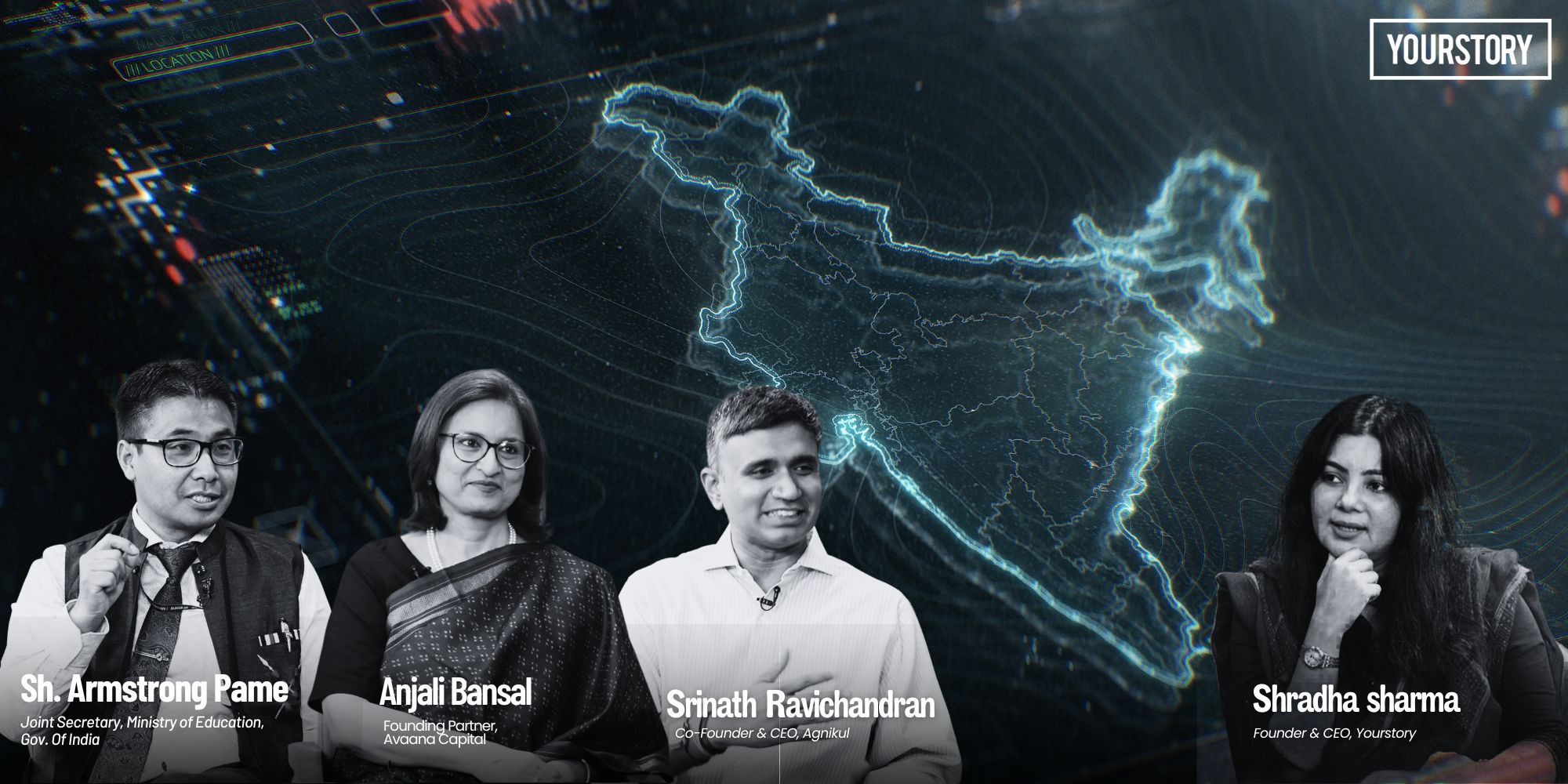
- Avaana Capital's Anjali Bansal acknowledged that a "valley of death" funding gap still exists in deep tech and pushed for procurement reform, arguing "the best form of capital for a startup is revenue" through getting local technology into corporate value chains
- 15–20 Indian institutions, including IITs, IIMs, and select private universities, will be showcased in Nice with MoUs with global universities expected during the event — drawing on India's 46 million higher-education students, the largest English-speaking student population in the world
- Nice was chosen for its proximity to Sophia Antipolis, Europe's first innovation ecosystem, which spans 2,400 hectares and houses around 2,400 companies
- Bansal pointed to specific policy moves — the ANRF, semiconductor mission, AI mission, and the ₹1 lakh crore RDI fund — as evidence of a "magic trifecta" of policy support, capital, and talent converging for deep tech
Why it matters: By placing Indian deep-tech founders on a G7-adjacent stage with PM Modi inaugurating, the government is converting Bharat Innovates from a domestic showcase into a sovereign pitch to global investors that India has shifted from consumer to creator of frontier technology. With 1,182 startups competing for 100–120 slots across 13 sectors, the event also forces the harder question Bansal herself raised: whether the ₹1 lakh crore RDI fund and policy stack can close the deep-tech "valley of death" and pull Indian IP into domestic corporate procurement.
Ask SkimNews