Muscle growth drug ‘could reduce loss of lean tissue’ when using slimming jabs — SkimNews

Get the Health newsletter
Daily health & science — research, biotech, public health, the studies worth knowing. Free.
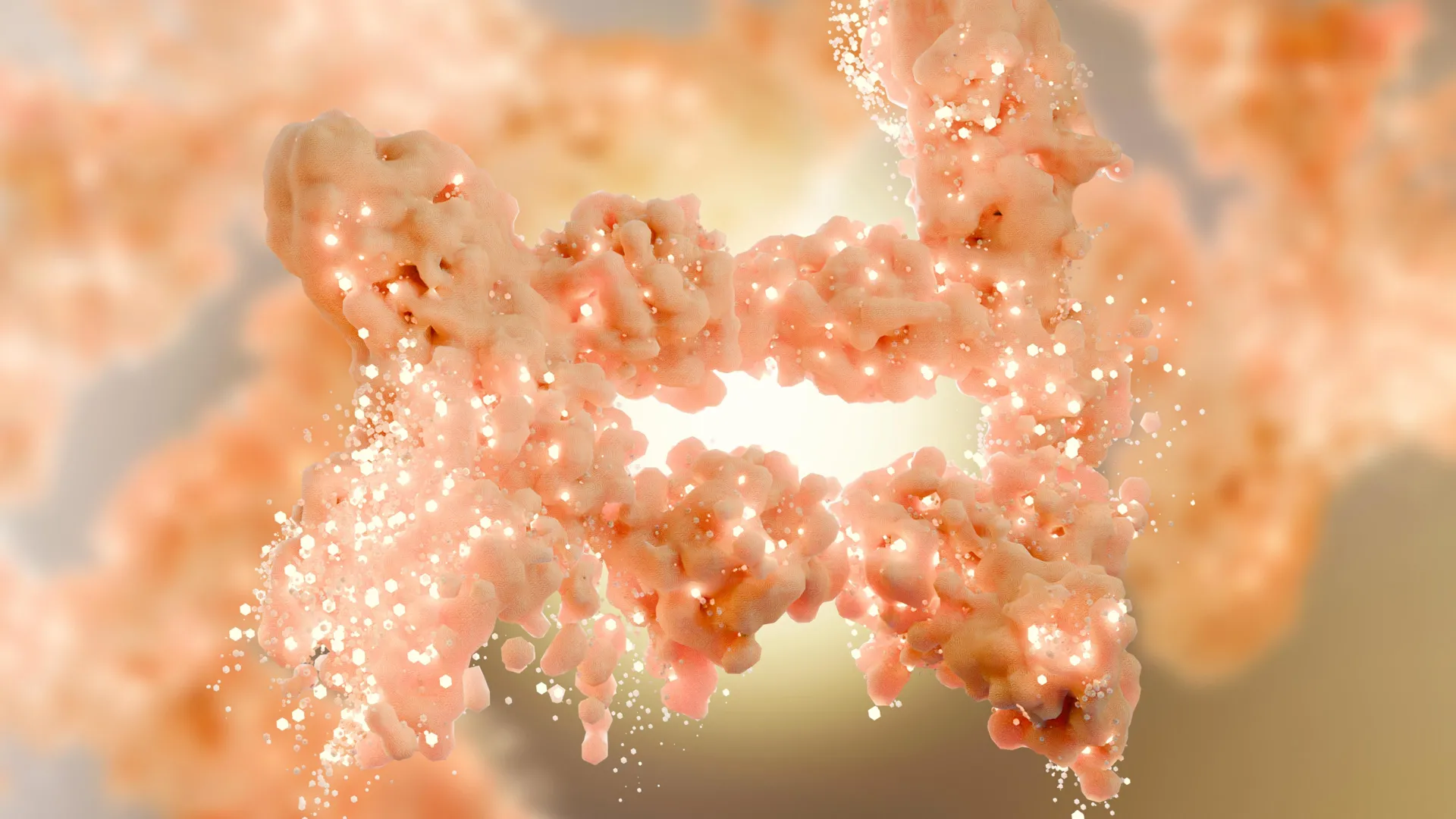
- Apitegromab, a monoclonal antibody that blocks the muscle-inhibiting protein myostatin, was given alongside tirzepatide to 51 participants in a US trial, with 51 others receiving tirzepatide plus a placebo.
- After 24 weeks, the apitegromab group lost an average of 1.6kg (3.5lb) of lean mass, equal to 14.6% of total weight lost, compared with 3.5kg for the placebo group — a 55% greater retention of lean mass relative to placebo, according to the Nature Medicine paper.
- Total weight loss was similar in both groups, and the number and severity of side effects were comparable and mostly mild.
- The trial was funded by Scholar Rock, the producer of apitegromab, and enrolled mostly women — a limitation the authors acknowledged alongside the study's small size and short duration.
- Prof Alexander Miras of Ulster University called the findings "very important," warning that GLP-1-based drugs had been linked to reduced muscle strength and functionality, including difficulty lifting weights or climbing hills.
- Prof Naveed Sattar of the University of Glasgow said far larger and longer trials are needed to confirm safety and whether the muscle retention translates into real health or mobility benefits for patients.
- The source notes that 25–40% of total weight loss from GLP-1 jabs such as Wegovy and Mounjaro is estimated to come from lean body mass, not fat.
Why it matters: Roughly a quarter to 40% of weight lost on GLP-1 jabs like Mounjaro is lean mass, not fat, and apitegromab cut that muscle loss by 55% relative to placebo in a 102-person trial. If larger studies confirm the effect, the drug could preserve strength and metabolic health for millions taking slimming jabs — but the 24-week, mostly-female trial funded by the drug's own manufacturer is far too small to clear safety or efficacy bars yet.
Ask SkimNews