NC Residents Sue Robeson County Over Landfill PFAS — SkimNews

Get the Energy newsletter
Daily energy & climate — solar, EVs, oil, the policy fights and tech bets shaping the transition. Free.
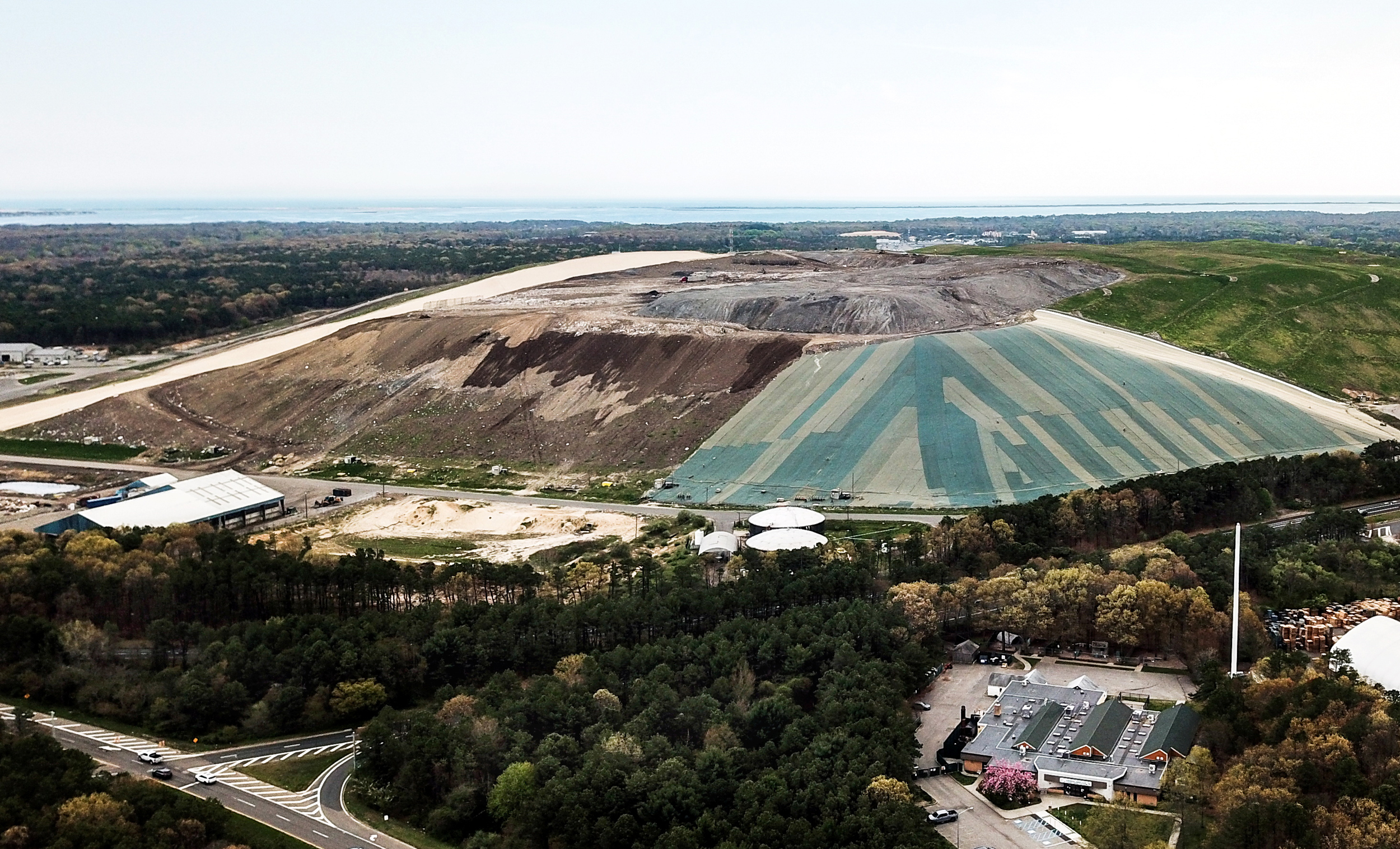
- St. Pauls Community Association for Progress and the Southern Environmental Law Center filed suit in U.S. District Court for the Eastern District of North Carolina on June 16, 2026, accusing Robeson County of violating the Resource Conservation and Recovery Act by allowing the Robeson County Landfill to leach PFAS since at least 2023.
- Robeson County Landfill leachate contains dramatically higher PFAS levels than most North Carolina landfills — a county consultant's sample showed 1,060 parts per trillion of PFOS and 4,100 ppt of PFOA, over five and four times the state averages, respectively, per a 2020 study.
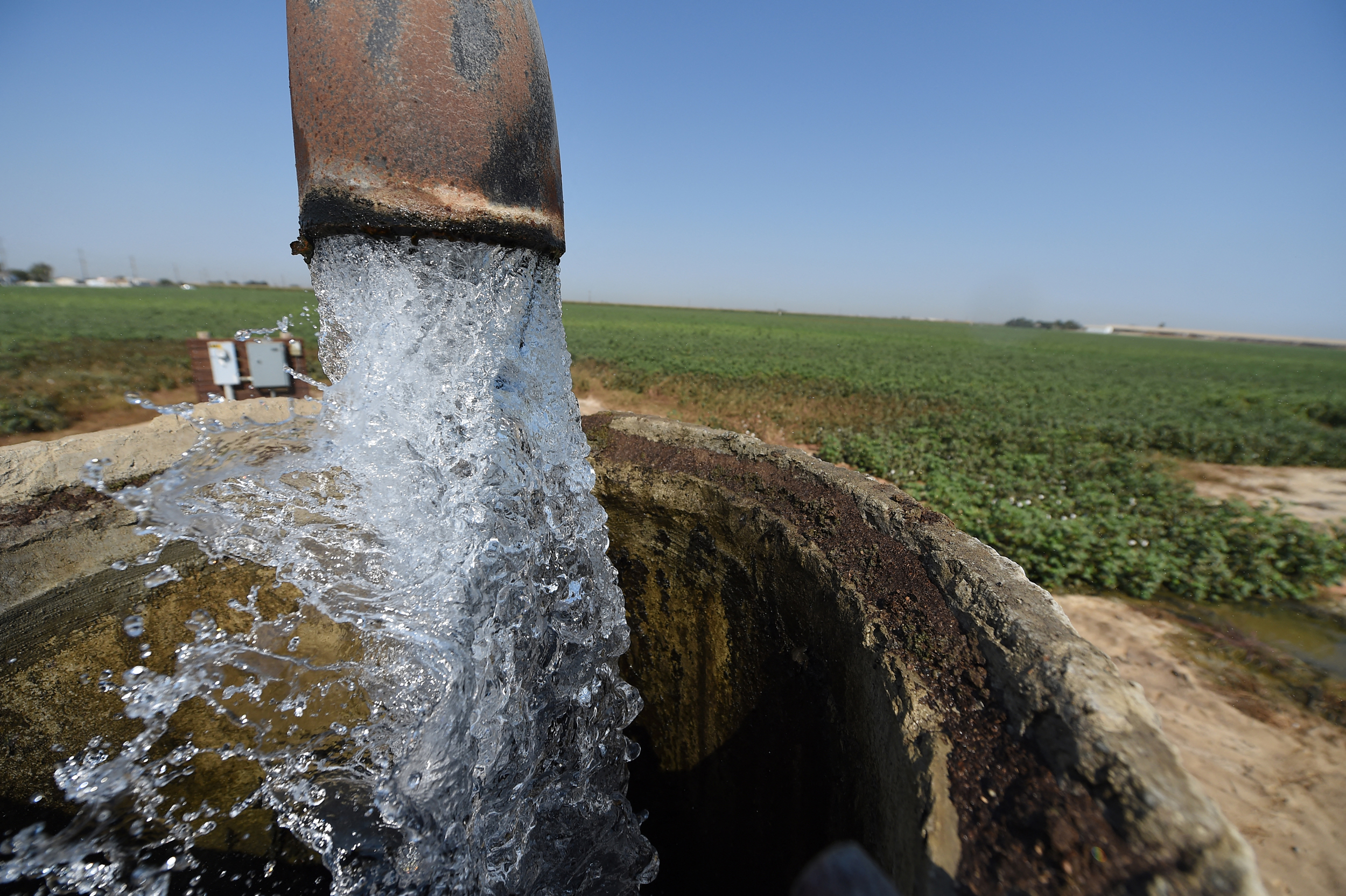
- November 2025 tap-water testing by SELC at homes within two miles of the landfill found the highest PFAS levels in finished drinking water from any treatment plant in North Carolina, with GenX at nearly 25 ppt (the highest in any U.S. water system) and PFOA averaging 30.3 ppt — more than seven times the EPA's 4 ppt maximum contaminant level.
- Chemours' Fayetteville Works plant, nine miles northeast of St. Pauls and the sole GenX source in North Carolina, has sent 4.8 million pounds of office and household waste to the Robeson County Landfill since 2017, while its airborne emissions have also contaminated nearby groundwater.
- Robeson County Board of Commissioners is pursuing the landfill's seventh expansion in 30 years — adding 35 acres to the existing 537-acre site — after delaying a 2025 vote following community protests led by 75-year-old Viv Tolson Wayne and her sorority sisters.
- The Trump administration is eliminating the EPA's 10 ppt maximum contaminant level for GenX, a standard set just two years ago, even as Robeson County residents' tap water registers nearly 25 ppt of the same compound.
Why it matters: Roughly 2,700 residents of St. Pauls are drinking finished water with the highest PFAS levels ever recorded at a North Carolina treatment plant, while the federal safety standard their lawyers could have cited is being rolled back mid-litigation. The case targets a 537-acre landfill already seeking its seventh expansion in three decades and could force cleanup of wells serving homes within two miles of the site.
Ask SkimNews